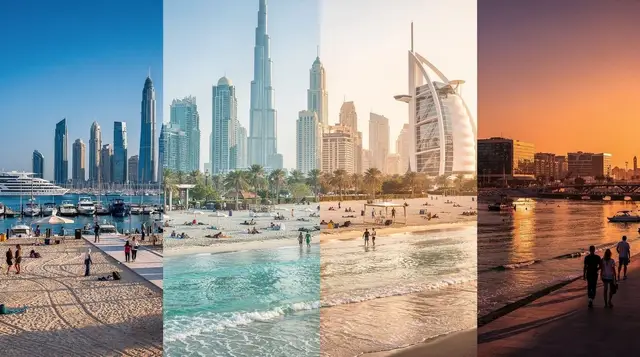
Surviving Dubai in the extreme summer heat
The heat is not an exaggeration
Dubai between June and September regularly hits 40-48°C during the day, with humidity that makes the effective heat feel considerably worse than the number on a thermometer suggests. This isn’t marketing hyperbole or an off-putting worst case — it’s the reliable daily reality for a full third of the year, and it changes how a visit needs to be planned rather than being a minor inconvenience to work around. The Dubai in summer guide has the full seasonal breakdown; this is the practical survival version.
| When | June to September |
| Daytime highs | Around 40-48°C, high humidity |
| Outdoor window | Before ~9-10am or after sunset only |
| Cost | Low season — flights and hotels drop noticeably |
| Key move | Structure the day around indoor midday hours |
Summer months compared
| Month | Typical highs | Humidity | Notes |
|---|---|---|---|
| June | ~40-42°C | Moderate | Start of the hot stretch, still bearable evenings |
| July | ~42-45°C | High | Peak heat and humidity combined |
| August | ~42-45°C | High | Similarly intense, occasional slight easing late month |
| September | ~38-42°C | High, easing late | Gradual transition toward more workable evenings |
Why anyone visits in summer at all
Summer is Dubai’s low season, and that shows up directly in flight and hotel prices — this is when rates drop furthest below the November-March peak covered in the best time to visit guide. Some visitors also simply have no choice, traveling around school holidays or work schedules that only allow a summer trip. Either way, a summer visit is entirely workable; it just requires structuring the day around indoor time in a way a winter trip doesn’t.
The core strategy: flip your day around the heat
The single biggest adjustment is timing: outdoor activity needs to happen either early morning, before around 9-10am, or after sunset, once temperatures have dropped from their peak, with the entire middle of the day spent indoors in air conditioning. This isn’t a minor scheduling tweak — it’s the structural principle the whole day needs to be built around, and fighting it by trying to sightsee outdoors at 2pm in July is how a summer trip goes badly.
Ski Dubai: genuinely the best summer irony
Ski Dubai, an indoor snow park inside the Mall of the Emirates kept at sub-zero temperatures year-round, is the single most reliable summer activity in the city precisely because it’s the exact opposite of what’s happening outside. This Ski Dubai snow park classic pass covers skiing, snowboarding, or just playing in real snow for a few hours — a genuinely novel experience in a desert city, and one of the more memorable ways to spend a scorching afternoon.
Malls as legitimate destinations, not just shopping
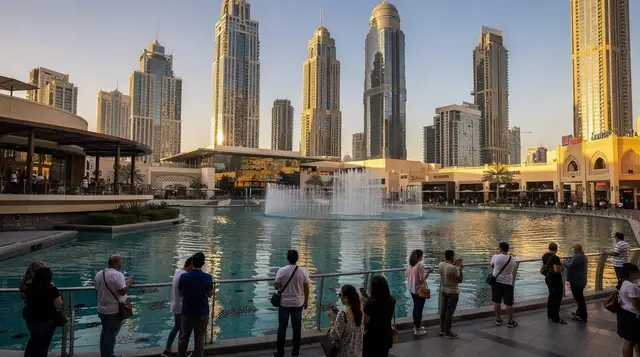
Dubai’s malls function as full air-conditioned entertainment complexes rather than just retail — Dubai Mall alone has the aquarium and underwater zoo, an ice rink, and enough scale to fill several hours without ever stepping outside. This Dubai aquarium and underwater zoo entry ticket is a solid anchor for a midday mall visit, and treating the mall as a genuine half-day activity rather than a fallback is the right mindset for summer rather than a compromise.
Indoor theme parks: the underrated summer move
IMG Worlds of Adventure, a fully indoor, air-conditioned theme park, and several other indoor attractions solve the specific problem that outdoor theme parks create in summer — standing in direct sun in a queue at 45°C is genuinely risky, not just unpleasant. This IMG Worlds of Adventure entrance ticket gets you a full day of rides and attractions without ever being exposed to the outdoor heat, which makes it one of the better family options for a summer trip specifically.
What to still avoid outright in summer
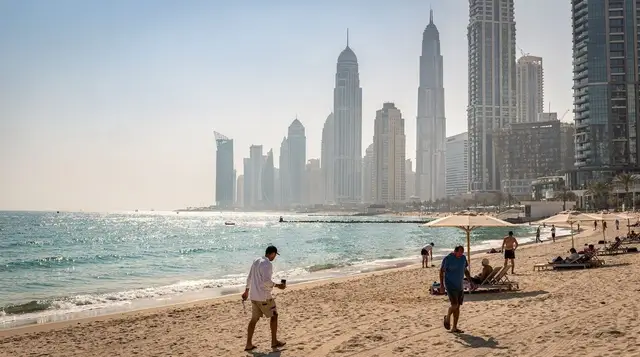
Desert safaris during daytime hours, walking tours of Old Dubai at midday, and any beach time outside the early morning or evening are all genuinely risky in peak summer heat rather than just uncomfortable — heat exhaustion is a real concern, not an exaggerated caution. Evening desert safaris still run and remain a reasonable summer activity since they depart after the day’s peak heat has passed; daytime versions should be skipped entirely between June and September.
Hydration and sun exposure basics that actually matter
Carry water constantly and drink more than feels necessary — dehydration in this heat happens faster than most visitors expect, especially with the added effect of air conditioning drying things out further once indoors. Sunscreen, a hat, and minimizing direct midday sun exposure matter even for short outdoor transitions like walking from a taxi into a building, since the intensity of Gulf summer sun burns faster than equivalent temperatures in more temperate climates.
Ramadan and summer sometimes overlap
Because the Islamic calendar is lunar, Ramadan shifts roughly 10-11 days earlier each year and periodically falls during the summer months, which layers daytime eating and drinking restrictions in public on top of the heat considerations above. Check the weather month by month guide alongside the current year’s Ramadan dates if your summer trip might overlap, since it changes both the heat-avoidance plan and the daytime dining logistics.
What to actually pack for summer heat
Lightweight, loose-fitting, breathable fabrics do more for comfort than technical “cooling” gear marketed for the heat — cotton and linen in pale colors outperform synthetic athletic wear in this kind of dry, intense heat. Bring more layers than you’d expect for a hot destination, since indoor air conditioning is often set aggressively cold, and the temperature swing between an outdoor taxi wait and an indoor mall can be dramatic enough to need a light layer on hand. Comfortable, breathable footwear matters too — even short outdoor walks between air-conditioned stops happen on surfaces that get genuinely hot underfoot by midday.
Pools and water parks: still workable, with caveats
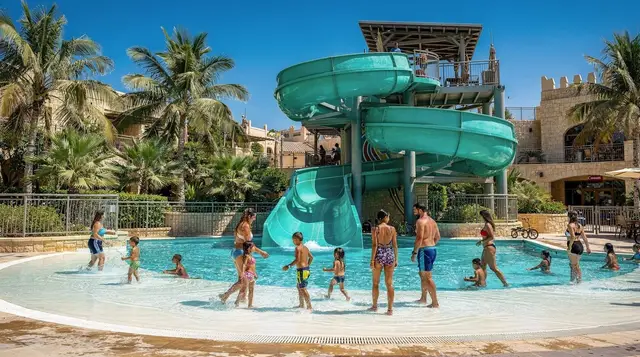
Hotel pools and public beaches, along with outdoor water parks like Aquaventure, remain usable in summer, and the water itself provides real relief from the air temperature, but midday sun exposure while poolside is still a genuine burn risk given the intensity of Gulf summer sun. The practical approach mirrors the rest of this guide: pool and water park time works best in the first and last few hours of daylight, with shade, sunscreen reapplication, and a midday indoor break built into the same day rather than treating a water park as automatically heat-proof just because there’s water involved.
Driving and car logistics in extreme heat
If you’re renting a car, a few extra precautions matter in summer that don’t in cooler months: never leave anything heat-sensitive in a parked car, since interior temperatures climb dramatically within minutes; let the car run its air conditioning for a minute before touching the steering wheel or seatbelt buckle, both of which get uncomfortably hot in direct sun; and treat any roadside car trouble as a genuine priority to resolve quickly rather than something to wait out, given how fast heat exposure becomes a real problem for anyone stranded outside a vehicle.
Building a realistic summer day
Breakfast and an early outdoor activity (a beach walk, a park, or an outdoor landmark) before 9am, indoors from mid-morning through mid-afternoon — a mall, an indoor attraction, or Ski Dubai — then a second outdoor window after around 6-7pm once temperatures ease, for a waterfront walk, dinner outdoors, or an evening desert safari. This structure works every day of a summer trip and avoids the mistake of assuming a single bad, overheated afternoon is unusual rather than the daily norm.
Traveling with kids in summer specifically
Children overheat and dehydrate faster than adults, which makes the indoor-during-midday rule even less negotiable on a family summer trip than a solo or couples one. The Dubai with kids guide has family-specific advice, but the summer-specific version is simple: build the day around indoor attractions with occasional short outdoor windows rather than the reverse, and don’t assume a child will self-regulate on hydration or shade the way an adult might.
What summer actually buys you over winter
Beyond lower prices, summer has real, specific upsides that winter doesn’t: shorter queues at indoor attractions like the Museum of the Future and Dubai Aquarium, since the peak-season crowds that fill November through March simply aren’t there, and hotel upgrades or better rooms are easier to negotiate given lower occupancy. If your trip is genuinely flexible on timing and price matters more than perfect weather, summer isn’t just tolerable — it has a few real advantages worth weighing against the heat.
Evening options once the sun drops
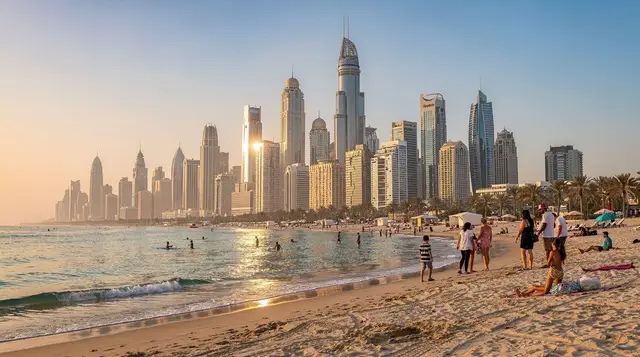
Once temperatures ease after around 6-7pm, Dubai Marina Walk and JBR both become genuinely pleasant rather than merely tolerable, and this is when a lot of the city’s outdoor life actually happens in summer — restaurants with outdoor seating fill up, the Fountain shows draw a proper evening crowd, and an evening desert safari becomes one of the better summer activities specifically because it’s built around the cooler hours rather than fighting them.
Frequently asked questions about visiting Dubai in summer
Is it actually dangerous to be outside in Dubai in summer?
Extended outdoor exposure during peak midday heat carries real heat exhaustion risk, not just discomfort — short exposures (walking to a car, a quick outdoor photo) are fine, prolonged ones aren’t.
Is Dubai cheaper to visit in summer?
Yes, noticeably — flights and hotels both drop from their November-March peak pricing, which is the main reason budget-conscious travelers choose summer despite the heat.
Can you still do a desert safari in summer?
Yes, but only evening departures, which start after the day’s peak heat has passed — daytime desert activity should be avoided entirely in summer.
Is Ski Dubai worth it just to escape the heat?
Yes — it’s a genuinely novel experience in its own right, not just a heat-avoidance measure, and works well as a full activity rather than a brief cooldown stop.
How much water should I carry in Dubai’s summer heat?
More than feels necessary — dehydration happens faster than expected in this heat, and carrying water constantly rather than only when thirsty is the safer habit.
Does Ramadan affect a summer visit to Dubai?
It can, since Ramadan’s dates shift earlier each year and periodically fall in summer, adding public daytime eating and drinking restrictions on top of the heat considerations.
What should I pack specifically for Dubai’s summer heat?
Lightweight cotton or linen in pale colors, a light layer for aggressively air-conditioned interiors, and comfortable footwear for surfaces that get hot underfoot by midday.
Is it safe to use hotel pools or water parks in summer?
Yes, but stick to early morning or late afternoon for direct sun exposure — the water helps with heat but doesn’t reduce midday burn risk from the sun itself.
Which summer month is the most bearable?
June and late September tend to be the most workable — July and August carry the highest combined heat and humidity, while June hasn’t fully peaked yet and September starts easing toward autumn.
Are evenings actually pleasant in Dubai summer?
Yes — once temperatures drop after around 6-7pm, outdoor spots like Marina Walk and JBR become genuinely enjoyable, and this is when most of the city’s outdoor evening life happens.