Dubai in summer: surviving June-September honestly
Dubai: Ski Dubai snow park classic pass
Is it worth visiting Dubai in summer?
It can be, if you plan around the heat rather than against it. June through September brings daytime highs of 40-48°C (104-118°F) with high coastal humidity that makes it genuinely uncomfortable outdoors for more than brief stretches. The trade-off is real: hotel rates drop 30-50% or more below winter peak pricing, major attractions are quieter, and Dubai's vast indoor infrastructure — malls, an indoor ski slope, aquariums, museums — makes a full week workable with minimal outdoor exposure.
| Temperature | around 40-48°C (104-118°F) daytime, June-September |
| Humidity | often 60-70%+ near the coast |
| Hotel savings | around 30-50% below winter peak rates |
| Outdoor windows | before ~8am and after ~8pm |
| Best for | value-focused, indoor-attraction-first trips |
What summer in Dubai actually feels like
June through September in Dubai isn’t warm, it’s an entirely different category of heat — daytime highs routinely sit at 40-48°C (104-118°F), and July and August in particular can push toward the top of that range for stretches of consecutive days. What makes it harder than the number alone suggests is coastal humidity, often above 60-70%, which keeps overnight lows uncomfortably high and makes the “feels like” temperature noticeably worse than the air temperature on the forecast. This isn’t a season to tough out with a hat and sunscreen the way you might a hot European summer — it’s a season to plan around structurally, building the day indoors and treating any outdoor time as brief and deliberate.
Who summer actually suits
Summer suits budget-conscious travelers, visitors who’ve already done the outdoor Dubai list on a previous trip and want the indoor attractions and shopping this time, and anyone whose travel dates are fixed by work, school, or a specific event regardless of weather. It doesn’t suit first-time visitors hoping for a classic beach-and-desert holiday, families expecting to spend real time at a pool or waterpark in the middle of the day, or anyone with heat-sensitive health conditions who can shift their dates instead. Being honest about which category you’re in before booking saves real disappointment.
The financial upside is real
Five-star hotels that command premium rates in December routinely discount 30-50% or more in July and August, and Dubai Summer Surprises — the city’s official summer promotion — bundles hotel stays with mall shopping vouchers, raffle entries, and discounted attraction tickets specifically to give value-focused travelers a reason to book. Flights into Dubai also tend to price lower in summer months outside of specific spikes around regional holidays. If the trip’s primary goal is value — a genuinely luxurious hotel stay and heavy mall time at a fraction of winter cost — summer delivers on that in a way no other season does.
Building an indoor-first itinerary
The core move for a summer Dubai trip is flipping the default itinerary logic: instead of planning days around outdoor sights with indoor breaks, plan days around indoor anchors with brief, deliberate outdoor exposure. Ski Dubai’s real snow slope inside Mall of the Emirates is the most literal escape from the heat available — genuinely cold, genuinely snowing, inside an air-conditioned mall.
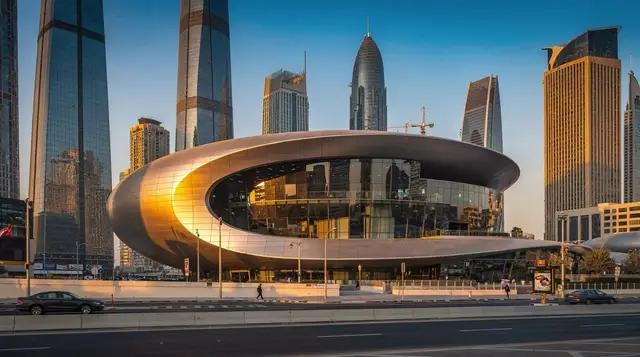
The Dubai Aquarium and Underwater Zoo inside Dubai Mall, Museum of the Future, and IMG Worlds of Adventure all deliver a full half-day or more of entertainment without meaningful outdoor exposure. A Dubai Aquarium and Underwater Zoo ticket and Museum of the Future admission both work well as full mid-day anchors during the hottest hours.
The mall as a legitimate day plan
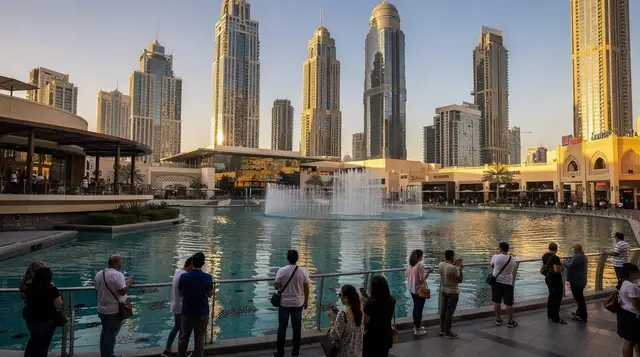
It’s worth saying plainly: spending a full day at Dubai Mall or Mall of the Emirates in summer isn’t a compromise, it’s a genuinely sensible plan. Both malls function as small, air-conditioned cities — retail, dozens of restaurants, cinemas, the aquarium or ski slope respectively, and enough scale to fill six or seven hours without repetition. Timing an early evening visit to the Dubai Fountain right outside Dubai Mall, after the sun has dropped and temperatures have eased slightly, bookends an indoor mall day with a genuinely pleasant, free outdoor moment.
When outdoor activity still works
Early morning, roughly before 8am, and evening after around 8pm are the two windows where outdoor time is realistic rather than punishing. Desert safaris are scheduled by operators specifically around this — evening departures time the dune-bashing and BBQ camp portion to start as the worst heat eases, rather than running through peak afternoon temperature. A dhow dinner cruise along the Marina after sunset is a genuinely comfortable summer evening activity, since the boat and open water bring some relief from the mall-and-AC routine of the rest of the day.
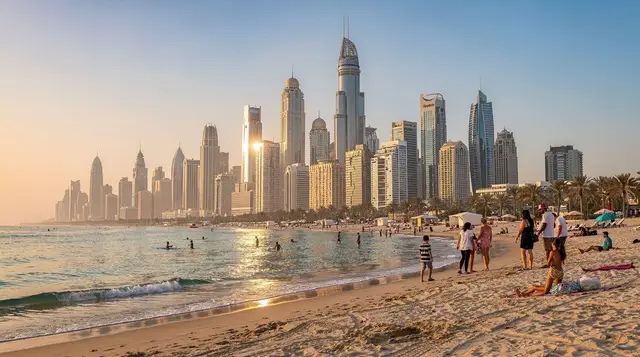
Morning beach time before 10am at JBR or Kite Beach is workable for an hour or two, though the sea itself gets close to bathwater temperature by midday and isn’t the refreshing plunge it is in cooler months.
What to actively avoid outdoors
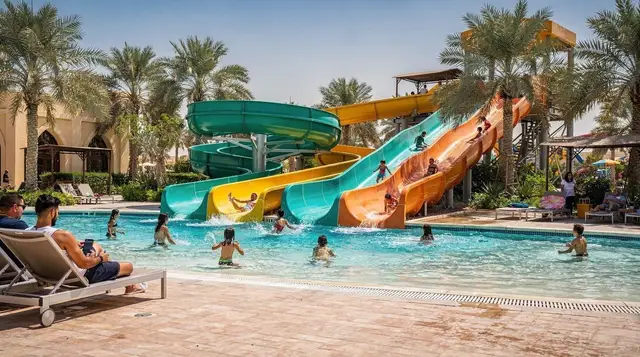
Midday walking tours of Old Dubai or the souks, any extended time at Global Village or Miracle Garden (both closed for the season in peak summer anyway, typically reopening around October), and daytime desert quad biking or dune buggy activity are all things to skip or heavily curtail in July and August specifically. Outdoor waterparks like Aquaventure and Wild Wadi do stay open through summer and the water itself provides real relief, but sun exposure on exposed skin between rides is intense enough that reef-safe sunscreen reapplication every hour, not just once at the start of the day, genuinely matters.
Dressing for the heat and the AC swing
Lightweight, breathable, loose-fitting clothing works best outdoors, but the bigger practical issue in summer is the swing between outdoor heat and aggressively air-conditioned indoor spaces — malls, restaurants, and hotels often run noticeably cold by comparison. A light layer (a cardigan or light jacket) that seems unnecessary given the outdoor temperature is genuinely useful for indoor comfort across a long mall or museum day. Modest dress standards for malls, souks, and mosques (shoulders and knees covered) apply exactly the same in summer as any other season — see the dress code guide for specifics.
Hydration and heat safety basics
Carrying water at all times and drinking more than feels necessary is the single most important habit in summer Dubai — dehydration sets in faster than it feels like it should given how effectively air conditioning masks how hot it actually is outside. Limiting continuous outdoor exposure to 15-20 minutes at a stretch during peak afternoon hours, seeking shade or an air-conditioned doorway rather than pushing through discomfort, and taking heat-related symptoms (dizziness, nausea, stopping sweating) seriously rather than toughing them out are basic precautions worth actually following rather than treating as boilerplate advice.
Ramadan often overlaps with early summer
Because Ramadan’s dates shift roughly 10-11 days earlier each year on the Gregorian calendar, it periodically falls in May or June, overlapping with the start of the hot season. If your summer dates coincide with Ramadan, the dedicated Ramadan guide covers the additional daytime dining restrictions on top of the heat considerations here — worth checking together if your trip lands in that window.
Packing differently for summer
Beyond the standard Dubai packing list, summer specifically rewards a refillable water bottle, a portable handheld fan or cooling towel for outdoor transitions, and swimwear you’re comfortable using multiple times a day given how often a pool break becomes the practical answer to heat fatigue. The packing list guide covers the fuller list including desert and mosque-visit specifics that apply regardless of season.
Is a summer trip worth it overall
For the right traveler — value-focused, flexible on outdoor time, genuinely interested in the indoor attractions rather than treating them as a fallback — a Dubai summer trip delivers real savings and a quieter, less crowded version of the city’s major indoor draws. For a first-time visitor building their whole trip around the desert-safari-and-beach postcard image, shifting to the November-March window delivers a meaningfully better experience for a comparable or only somewhat higher cost. Being honest with yourself about which trip you’re planning, before booking flights, is the single best piece of summer-specific advice.
Sample three-day indoor-first itinerary
A workable summer structure looks like this: day one, sleep in, spend late morning through afternoon at Dubai Mall including the aquarium, then catch the evening Dubai Fountain show once temperatures ease; day two, a full day dedicated to Ski Dubai and Mall of the Emirates, with an early-evening excursion to Museum of the Future once the sun has dropped; day three, an evening desert safari departing late afternoon, with the morning kept free for a hotel pool session before 10am while the water is still comfortable.
This structure keeps outdoor exposure to two genuinely brief, deliberate windows across three days rather than fighting the heat throughout.
Traveling with kids in summer
Summer trips with children require a bit more active management than adult-only travel — kids overheat faster and show heat-stress symptoms less predictably than adults, so scheduling frequent indoor breaks and treating any outdoor stretch as strictly time-boxed (15 minutes, not “until they get tired of it”) matters more than it might elsewhere.
The genuinely good news is that Dubai’s indoor attraction lineup is unusually kid-friendly for a summer destination — IMG Worlds of Adventure, the aquarium, and Ski Dubai’s snow park all give children a full, engaging day without meaningful heat exposure, arguably making Dubai a better indoor-summer family destination than many alternatives that rely on outdoor pools and parks.
Health considerations beyond general heat safety
Beyond the standard hydration and shade advice, certain groups need to be more deliberate in summer: pregnant travelers and anyone with cardiovascular or respiratory conditions should check with a doctor before committing to a summer Dubai trip, since extreme heat and humidity place real additional strain that a healthy adult tolerates more easily. Medication that requires refrigeration or is heat-sensitive needs proper storage given how quickly a car interior or an outdoor bag can reach dangerous temperatures even for a short period left in direct sun.
None of this should read as alarmist — millions of residents live in Dubai through the summer without incident — but it’s worth being more careful than you might be planning a summer trip to a milder climate.
What summer looks like for Dubai’s expat and resident population
It’s worth knowing that Dubai’s own residents largely mirror the tourist strategy above during summer — malls, indoor entertainment, and evening outdoor activity form the backbone of local summer life, and many residents specifically travel abroad during the hottest weeks if they’re able to. This means summer visitors aren’t experiencing some diminished, off-season version of the city; they’re experiencing it the same way much of the local population does, just without the option to leave for cooler climates elsewhere.
Photography considerations in extreme heat
Camera equipment, and phones in particular, can overheat and shut down after even brief direct sun exposure in peak summer, an issue that surprises visitors used to milder climates. Keeping devices in shade or an insulated bag between shots, and accepting that outdoor photography sessions need to be short and deliberate rather than leisurely, avoids both equipment problems and personal discomfort. Golden-hour photography, right around sunset, works well precisely because it coincides with the daily window when outdoor conditions become tolerable again.
Comparing a Dubai summer trip to other hot-weather destinations
Visitors weighing a summer Dubai trip against other traditionally hot destinations should know that Dubai’s indoor infrastructure is genuinely more extensive than most alternatives — the sheer scale and air-conditioned coverage of its malls, museums, and entertainment venues isn’t matched by most competing summer-heat destinations, which tend to rely more heavily on beach or pool time that struggles just as much in extreme heat. This is arguably Dubai’s strongest summer-specific selling point: it’s a destination genuinely built to be enjoyed regardless of what’s happening outside.
Airport arrival and the first heat check
Stepping off a long-haul flight into Dubai in July or August is often a visitor’s first real encounter with the heat, since the walk from an aircraft to the terminal, or a wait for a taxi outside arrivals, delivers an immediate sense of what the rest of the trip involves. Pre-booking airport transfer or a taxi rather than planning to queue outside, and dressing in breathable fabric for the arrival day specifically, smooths this first encounter. Dubai International’s terminals are, unsurprisingly, heavily air-conditioned, so the shock is brief but genuinely disorienting on a first exposure.
Rethinking the classic Dubai photo list for summer
Several of Dubai’s most-photographed spots — a Marina skyline shot, a Palm Jumeirah aerial view, a desert sunset — are all achievable in summer but require retiming rather than skipping. Marina and skyline shots work best right at sunset when the worst heat has passed and the light is at its best regardless of season; a Palm Jumeirah view from The View at the Palm is entirely indoor and unaffected by outdoor temperature; and a desert sunset, timed as part of an evening safari, still delivers the classic shot without exposing you to peak afternoon conditions.
None of the iconic Dubai imagery is actually off-limits in summer — it just needs the same evening-and-indoor logic applied to it as everything else on this page.
Laundry and clothing logistics for a hot-weather trip
Summer heat means you’ll sweat through clothing faster than in cooler months, and packing fewer, more breathable outfits with a plan for hotel laundry or a quick hand-wash routine works better than over-packing. Natural fabrics — cotton, linen — breathe noticeably better than synthetic blends in this kind of heat and humidity, and a couple of spare swimsuits mean you’re never stuck waiting for a wet one to dry before the next pool or beach break. None of this is complicated, but it’s a detail visitors from milder climates often underestimate until the second or third day of a summer trip.
Is a summer trip a compromise, or just a different trip
It’s worth ending on this point directly: a well-planned summer Dubai trip isn’t a lesser version of a winter trip, it’s a genuinely different one, built around different strengths — value, indoor entertainment, quieter attractions — rather than the beach-and-desert postcard image most people associate with the destination. Travelers who go in with that framing tend to come away satisfied; travelers who go in expecting a winter-style trip with summer prices tend to be the ones disappointed by the heat. Setting the right expectation before you land is genuinely the most important piece of summer-specific planning there is.
Month-by-month summer intensity
| Month | Typical daytime high | Notes |
|---|---|---|
| June | ~40-43°C | ramping up, still relatively bearable early mornings |
| July | ~42-48°C | peak heat, high humidity |
| August | ~42-48°C | peak heat, high humidity |
| September | ~38-43°C | starting to ease, still genuinely hot |
The full weather month-by-month guide breaks this down across the whole year if you’re weighing shoulder-season dates against deep summer.
Solo travelers in summer
Summer suits solo travelers particularly well on the value side — heavily discounted hotel rates and quieter major attractions mean a solo trip stretches further than in peak winter, and indoor anchors like Ski Dubai or the Museum of the Future don’t require coordinating anyone else’s schedule or heat tolerance. The main adjustment for a solo summer visitor is being more deliberate about hydration and outdoor time management without a travel companion to notice and flag heat-stress symptoms early.
What locals do to escape the worst weeks
A meaningful share of Dubai’s resident population travels abroad during the hottest stretch of July and August if they’re able to, and those who stay lean heavily on the same indoor-mall-and-evening-activity pattern visitors are advised to follow. Knowing this helps set realistic expectations: a summer trip isn’t a diminished version of Dubai, it’s genuinely how much of the city experiences the season itself.
Car use and driving in summer heat
A rental car’s interior can reach dangerous temperatures within minutes of being parked in direct summer sun, so a quick pre-cool with the AC and doors open before getting in, and never leaving anything heat-sensitive (medication, electronics, or of course a child or pet) inside even briefly, matters more here than in a milder climate. Parking in shaded or covered structures where available, common at most malls and hotels, is worth the small extra walk compared to the nearest uncovered spot. See the car rental guide for the broader practicalities of self-driving in Dubai.
Evening desert safaris versus daytime alternatives
Because daytime dune activity is genuinely unsafe in peak summer heat, evening desert safaris shift their entire structure to depart mid-to-late afternoon, timing the dune-bashing and camel-photo segment for the cooling hours just before and after sunset, with the Bedouin-camp dinner portion running fully after dark. This isn’t a diminished version of the winter safari experience — if anything, the cooler evening air and dramatic desert sunset make the summer timing arguably more comfortable than a winter safari’s earlier, sometimes still-warm afternoon slot.
Frequently asked questions about Dubai in summer
How hot does Dubai get in summer?
Daytime highs regularly reach 40-48°C (104-118°F) from June through September, with July and August typically the hottest, compounded by high coastal humidity.
Can you still go outside in Dubai in summer?
Briefly — early morning and evening are tolerable, but midday outdoor activity for more than 15-20 minutes is genuinely risky, not just uncomfortable.
Are hotel prices really lower in Dubai summer?
Yes, five-star hotels frequently discount 30-50% below winter peak rates, often bundled with Dubai Summer Surprises shopping and attraction perks.
What can you do indoors in Dubai in summer?
Ski Dubai, the Dubai Aquarium, Museum of the Future, IMG Worlds of Adventure, and the malls themselves all deliver full days of entertainment without outdoor exposure.
Is desert safari possible in summer?
Yes, run as evening departures timed to avoid peak afternoon heat rather than daytime dune activities.
Is Dubai humid in summer?
Yes, especially near the coast, with humidity often above 60-70% in July and August, making the heat feel worse than the raw temperature.
Do pools and beaches work in summer?
Hotel pools and beaches work best in early morning or evening — by midday the water itself gets uncomfortably warm.
Is it safe to leave things in a parked car in summer?
No — interiors reach dangerous temperatures within minutes in direct sun; never leave medication, electronics, or anyone heat-sensitive inside, even briefly.
Is summer a good time for a solo trip to Dubai?
Yes, arguably better value than any other season — heavily discounted hotels and quieter attractions stretch a solo budget further, though hydration and heat-time management matter more without a travel companion.
Which summer month is the most bearable?
June and September sit at the milder ends of the summer range; July and August are consistently the hottest and most humid.
Top experiences
Bookable activities with verified prices and instant confirmation on GetYourGuide.