Visiting Dubai during Ramadan: what actually changes
Dubai: old town, souks, street food, guided tour & abra ride
Duration: 3-4 hours
Can tourists visit Dubai during Ramadan?
Yes, and it's a genuinely good time to visit for the right traveler. The main practical change is daytime dining: eating, drinking, or smoking in public during fasting hours is restricted for everyone, tourists included, though most restaurants operate behind curtained or private sections and hotels serve non-Muslim guests normally. Evenings shift dramatically in a good way — iftar buffets, Ramadan night markets, and later mall and attraction hours create a livelier, more social atmosphere than a typical evening the rest of the year.
The honest headline
Ramadan doesn’t shut Dubai down for tourists, and it’s genuinely worth considering as a trip window rather than automatically avoiding — but it does shift the rhythm of the day in ways worth planning around rather than discovering on arrival. The core rule that affects visitors most directly is that eating, drinking, or smoking in public during daylight fasting hours is restricted for everyone present in the country, not only for those observing the fast, and enforcement is taken seriously even if quietly. Once you build the day around that single rule, the rest of a Ramadan trip to Dubai is straightforward, and the evenings in particular are livelier and more socially interesting than an ordinary week.
| Daytime dining | Hotels & screened sections only |
| Hotel rates | Often lower — a genuine value window |
| Dress code | Same rule, applied more carefully |
| Friday brunch | Paused or scaled back most venues |
| Best evening move | Book an iftar buffet ahead of time |
What Ramadan actually is, briefly
Ramadan is the ninth month of the Islamic lunar calendar, during which observant Muslims fast from food, drink, and smoking between sunrise (suhoor, the pre-dawn meal, ends) and sunset (iftar, the fast-breaking meal, begins). Because the Islamic calendar is lunar, Ramadan’s Gregorian dates shift roughly 10-11 days earlier each year, meaning it can fall in any season over a roughly 33-year cycle — check the specific dates for your travel year, since “when is Ramadan” doesn’t have a fixed annual answer the way a solstice does. The dedicated Ramadan culture guide covers the religious and cultural context in more depth than this practical visiting guide does.
Daytime dining: the rule that matters most
During daylight fasting hours, public eating, drinking (including water), gum-chewing, and smoking are restricted, and this applies to tourists as much as residents — it’s a legal and cultural expectation, not merely a courtesy suggestion. In practice, this doesn’t mean going hungry: most restaurants remain open behind curtained, screened, or otherwise discreet sections specifically set up for daytime service to non-fasting guests, hotel restaurants and room service typically continue serving guests normally throughout the day, and eating or drinking privately in your own hotel room is always fine regardless of the hour.
Malls generally keep food courts operating in designated areas as well, though some individual restaurants within a mall may close for the daytime stretch and reopen at sunset.
Evenings: the genuine upside of a Ramadan trip
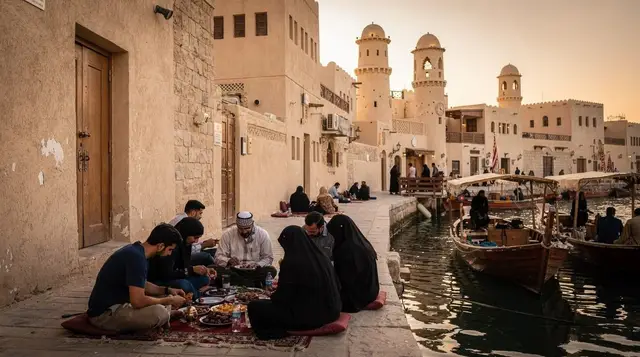
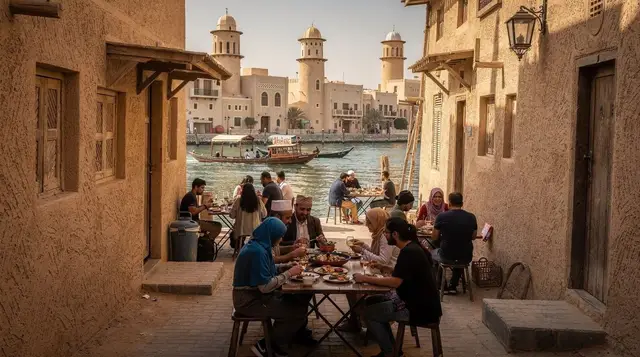
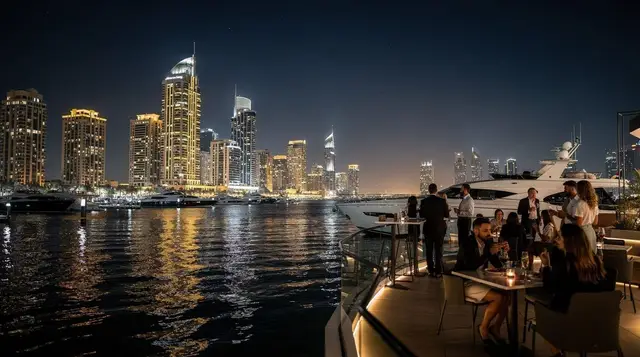
Once the sun sets and the call to prayer signals iftar, Dubai’s evening pace shifts into what’s honestly one of the more distinctive travel experiences the city offers outside Ramadan’s specific window. Restaurants that were quiet or closed during the day fill up rapidly for iftar buffets — many hotels and restaurants run elaborate, good-value iftar spreads specifically for this period — and the atmosphere across the city noticeably lifts. Ramadan night markets, temporary stalls selling dates, sweets, and seasonal food and crafts, pop up around mosques and in areas like Old Dubai, running well into the night in a way that doesn’t happen the rest of the year.
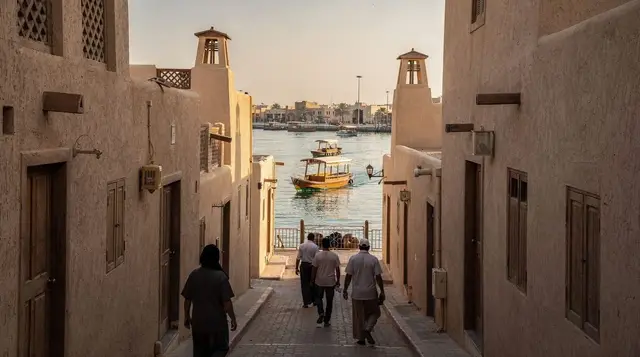
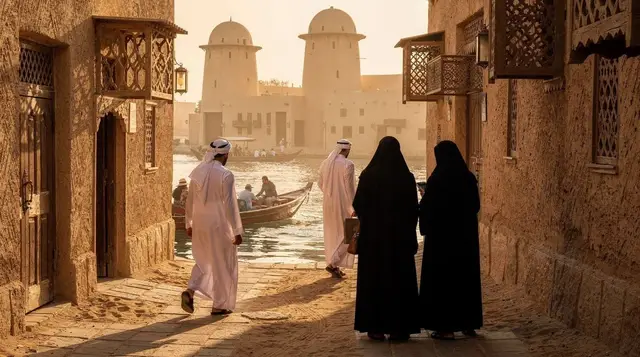
This Old Dubai souks and street food guided tour with an abra ride, scheduled for an evening slot during Ramadan, catches this atmosphere directly.
Hours shift across the board
Malls, attractions, and many businesses adjust their hours during Ramadan, typically opening somewhat later in the day and staying open considerably later into the night, since the daytime pace slows for those fasting while the post-iftar evening becomes the busiest stretch. Government office hours also shorten. It’s worth checking specific opening hours for anything you’re planning to visit rather than assuming standard year-round hours apply, particularly for anything you’d normally plan as an early-morning visit.
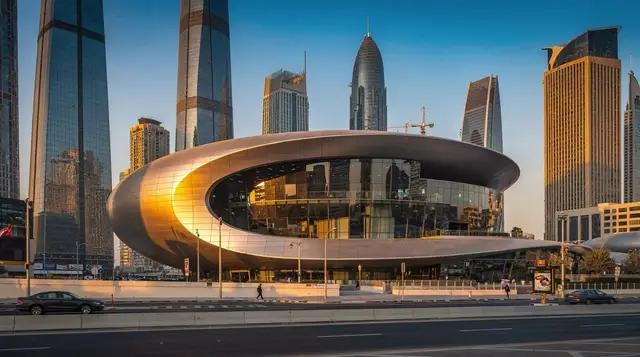
Museum of the Future and other timed attractions still run
Major timed-entry attractions like Museum of the Future continue operating through Ramadan, generally with adjusted hours rather than closures, and often see lighter daytime crowds since fewer visitors are moving around the city during the fasting hours. A Museum of the Future admission ticket booked for an early afternoon slot during Ramadan is a genuinely good way to use daytime hours productively while the outdoor and street-level pace is quieter than usual.
Dress code: the same standard, applied more carefully
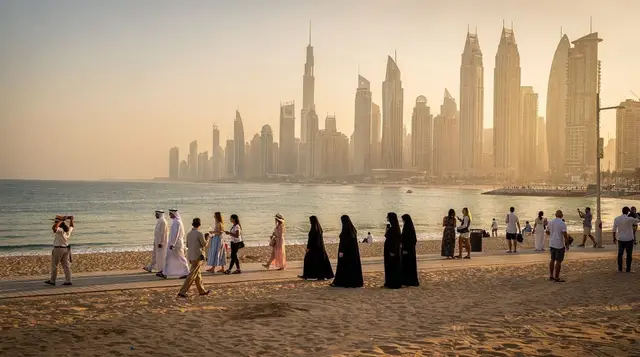
The general modest-dress expectation for malls, souks, and mosques — shoulders and knees covered — is identical to any other time of year, but it’s worth applying it with a bit more care during Ramadan specifically, given the period’s heightened religious significance for the local population. See the dress code guide for the general standard, which doesn’t fundamentally change for Ramadan beyond that extra attentiveness.
Alcohol during Ramadan
Licensed venues — hotel bars, restaurants with a liquor license — generally continue serving alcohol during Ramadan, though many reduce their hours, pause service during the day, or shift to a later evening start than usual. Public intoxication and drinking outside licensed venues, already prohibited year-round, is enforced with particular seriousness during this period. See the alcohol rules guide for the general framework, which stays in force through Ramadan with these seasonal adjustments layered on top.
Weekend brunch culture pauses
Dubai’s well-known Friday brunch culture — see the Friday brunch guide — typically pauses or scales back significantly during Ramadan, since the boozy, all-day brunch format sits awkwardly against the month’s spirit and many venues redirect that slot toward iftar service instead. If a Friday brunch specifically is part of your trip plan, it’s worth confirming your dates fall outside Ramadan before booking around that expectation.
Suhoor and the pre-dawn meal
Beyond iftar, some restaurants and hotels also offer suhoor service — the pre-dawn meal eaten before the daily fast begins — typically served late at night into the early morning hours for those observing. This is less relevant to most tourists’ schedules but worth knowing about if you’re out late and notice restaurants unexpectedly busy in the small hours; it’s suhoor service, not an all-night restaurant scene in the usual sense.
Eid al-Fitr: the end of Ramadan
Ramadan concludes with Eid al-Fitr, a multi-day public holiday marking the end of the fasting month with celebrations, family gatherings, and a noticeable uptick in domestic and regional travel and mall crowds as normal dining and shopping hours fully resume. If your trip extends into the Eid period, expect a return to standard daytime hours and a genuinely festive, busier atmosphere, alongside potentially higher demand for flights and hotels as regional travelers move for the holiday.
Should you plan a trip around Ramadan
For travelers genuinely curious about the cultural experience — iftar traditions, night markets, a different rhythm to the city — a Ramadan trip to Dubai is a legitimate and rewarding choice, not a compromise. For travelers whose priority is uninterrupted daytime dining flexibility, a full Friday brunch scene, or the widest possible restaurant and bar hours, timing a trip outside Ramadan avoids the adjustments covered here entirely. Either way, checking the specific Ramadan dates for your travel year against your itinerary before booking prevents any surprise once you land.
The five daily prayer times and how they touch daily life
Islamic practice includes five daily prayers, and while this is a year-round feature of life in the UAE rather than Ramadan-specific, the rhythm becomes more visible during Ramadan since fasting, prayer, and the sunset iftar moment are closely tied together. The call to prayer (adhan) is audible from mosques across the city at each of the five times, and some shops and services pause briefly, particularly around the Maghrib (sunset) prayer that immediately precedes iftar, as staff break their fast. This is rarely disruptive to a tourist’s plans in any serious way — restaurants and malls resume quickly — but noticing the pattern helps explain why service at some businesses can pause for a few minutes right around sunset specifically.
Transport and getting around during Ramadan
Public transport, including the metro and taxis, continues running through Ramadan, though schedules sometimes adjust slightly, particularly extending later into the night to serve the busier post-iftar evening period. Traffic patterns shift too — the roughly 30-60 minutes before sunset can see heavier traffic than usual as people rush to reach home or a restaurant in time for iftar, worth building a small buffer into any late-afternoon travel plans during this specific window. See the metro guide and getting around guide for the general transport framework, which holds through Ramadan with these adjustments layered on top.
Business and government hours during Ramadan
Government offices and many private businesses shorten their working hours during Ramadan, a legally mandated adjustment across the UAE reflecting the demands of fasting on daily work capacity. This mostly affects visitors needing to handle any official business (visa matters, for instance) rather than the standard tourist itinerary, but it’s worth building in extra time if any administrative tasks are on your list during a Ramadan visit, since a shortened working day sometimes means what would normally take one visit stretches to two.
A sample Ramadan evening itinerary
A genuinely enjoyable way to structure an evening during Ramadan starts with using the daylight hours for an indoor attraction — Museum of the Future or a mall visit — before positioning yourself near a good iftar option 20-30 minutes before sunset, since restaurants fill quickly right at the fast-breaking moment. After iftar, once the evening’s energy has picked up across the city, a walk through Old Dubai’s souks or a Ramadan night market captures the atmosphere that makes this specific time of year worth experiencing, often extending later into the night than a typical non-Ramadan evening would.
Comparing Ramadan in Dubai to other Muslim-majority destinations
Visitors who’ve experienced Ramadan in other Muslim-majority countries sometimes find Dubai’s version notably more accommodating to tourists specifically — the screened dining sections, the continued operation of malls and major attractions, and the international, multicultural population all mean daytime restrictions feel lighter in practice than in some other destinations where public dining options during fasting hours are far more limited. This reflects Dubai’s broader positioning as an international tourism and business hub even during a period of heightened religious observance for much of the local population.
Iftar as a food experience worth seeking out
Beyond the practical logistics, iftar buffets during Ramadan are genuinely one of the best food experiences available in Dubai during this specific window — hotels and restaurants compete to offer elaborate, high-value spreads spanning Middle Eastern, South Asian, and international dishes, often at prices that represent better value than the same venue’s normal dinner service given the volume and variety on offer. Booking a well-reviewed iftar in advance, particularly at a popular hotel, is worth doing given how quickly the best tables fill during this period.
Traveling with children during Ramadan
Children aren’t expected to observe the daytime dining restrictions, and hotels and family-oriented restaurants accommodate kids eating normally during the day without issue, though it’s still worth doing so with reasonable discretion in fully public spaces rather than eating openly on a street or in a park during fasting hours. Family attractions like IMG Worlds of Adventure or Aquaventure continue operating through Ramadan, and the evening iftar and night-market atmosphere is often genuinely enjoyable for children as well, given the festive, communal energy that builds after sunset each day.
What doesn’t change at all during Ramadan
It’s worth being clear about what stays exactly the same: hotel check-in and room service, general safety, the metro and taxi systems, and the core sightseeing experience at attractions like Burj Khalifa or the Marina all continue functioning normally. Ramadan changes the daytime dining rules and the evening rhythm specifically — it doesn’t transform the city into a fundamentally different or more restrictive destination across the board, which is worth remembering if pre-trip research makes the adjustments sound more sweeping than they are in practice.
Practical etiquette tips beyond the dining rules
A few small courtesies go a long way during Ramadan beyond the core daytime dining rule: avoiding loud music or boisterous public behavior during the day out of general respect for the fasting population, being patient with slightly slower service at some businesses given shortened working hours, and greeting the sunset moment (if you’re near a restaurant or public space at iftar time) with the same quiet respect locals extend to each other. None of this requires special preparation — it’s the kind of ordinary cultural awareness that makes any visit smoother, applied specifically to this period.
Should you plan a Ramadan trip on purpose
For travelers curious about a genuinely different cultural rhythm, or those specifically drawn to the iftar food scene and night-market atmosphere, deliberately timing a trip for Ramadan is a legitimate and rewarding choice rather than a fallback for whoever happens to land in that window. It suits flexible, culturally curious travelers well and suits less well anyone whose trip centers on uninterrupted daytime dining freedom or Friday brunch culture specifically. Checking the year’s exact Ramadan dates against your available travel window, and deciding deliberately rather than by accident, is the most useful single step in planning around this period either way.
Booking accommodation and activities during Ramadan
Hotel rates during Ramadan often run lower than the surrounding months given reduced overall tourist demand, making it a genuinely good value window for accommodation specifically, even as iftar dining and evening activities pick up in energy. Booking desert safaris, museum tickets, and other timed attractions works exactly the same as any other time of year, though it’s worth checking each specific operator’s Ramadan-adjusted hours before finalizing a booking time, since a slot that would work fine outside Ramadan might land during a period when an attraction has shortened its daytime hours.
Combining Ramadan with an Abu Dhabi day trip
If your itinerary includes a day trip beyond Dubai during Ramadan, expect the same or slightly stricter daytime norms — Abu Dhabi and the wider UAE observe the same public dining and dress rules, and major sights like the Grand Mosque continue welcoming visitors with adjusted hours. Building a day trip around an indoor or drive-based itinerary during daylight, and returning to Dubai in time for iftar, works well and avoids being caught between cities right at sunset.
First-timer vs repeat-visitor priorities
| First Dubai visit during Ramadan | Repeat visitor | |
|---|---|---|
| Daytime | Stick to indoor, timed attractions like Museum of the Future | Free to explore outdoor sights at a slower pace |
| Evening | Book one hotel iftar buffet to anchor the trip | Seek out a neighborhood iftar or suhoor spot instead |
| Old Dubai | Guided souks and street food tour for context | Self-navigate the night markets solo |
| Pace | Build in buffer around sunset traffic | Already knows the shifted rhythm |
Weighing a Ramadan trip against a standard one
If flexible daytime dining, a full Friday brunch scene, or standard nightlife hours matter most to your trip, a non-Ramadan visit avoids every adjustment covered here — see best time to visit Dubai for the year-round comparison. If a distinctive cultural rhythm, a genuinely good iftar food scene, and often-lower hotel rates appeal more than daytime flexibility, a Ramadan trip is a legitimate, rewarding choice rather than a compromise booking.
Frequently asked questions about visiting Dubai during Ramadan
Can you eat and drink in public during Ramadan in Dubai?
Not during daylight fasting hours — this applies to everyone. Restaurants operate behind screened sections, hotels serve guests normally, and your own room is always fine.
Do restaurants close during Ramadan in Dubai?
Most shift hours rather than closing entirely, limiting daytime service and reopening fully, often at their busiest, for iftar at sunset.
What are Ramadan night markets in Dubai?
Temporary evening markets selling dates, sweets, and seasonal goods that pop up around mosques and areas like Old Dubai, running late into the night.
Do malls and attractions stay open during Ramadan?
Yes, generally with adjusted hours — later opening, later closing, since the evening becomes the busiest part of the day.
What should tourists wear in Dubai during Ramadan?
The same modest-dress standard as any time of year — shoulders and knees covered in malls, souks, and mosques — applied with extra care given the month’s significance.
Is alcohol available in Dubai during Ramadan?
Yes at licensed venues, though many reduce hours or pause daytime service, with public drinking rules enforced especially strictly.
When does Ramadan fall in 2026?
Ramadan shifts roughly 10-11 days earlier each year on the Gregorian calendar — check the specific dates for your travel year before planning.
Are hotel rates actually cheaper during Ramadan?
Often yes, particularly outside the immediate Eid al-Fitr period, since some leisure travelers avoid the month over the daytime restrictions — a genuine opportunity for budget-conscious visitors willing to adjust their daytime dining habits.
Should I book an iftar buffet before arriving, or can I decide once I’m there?
Book ahead where possible, especially for well-known hotel spreads on weekends — the best tables and the most elaborate buffets fill up several days in advance during Ramadan.
Top experiences
Bookable activities with verified prices and instant confirmation on GetYourGuide.