Dubai during Ramadan: iftar, suhoor, and visitor etiquette
Dubai: heritage desert safari with overnight and breakfast
Is it a good idea to visit Dubai during Ramadan?
Yes, with adjusted expectations. Daytime hours are quieter, some shops and restaurants run reduced schedules, and eating or drinking in public during fasting hours is restricted. In exchange, evenings transform into the city's most atmospheric season, with elaborate iftar buffets, extended mall hours, and a genuinely different, more community-oriented energy after sunset that many visitors find more memorable than a standard Dubai trip.
What Ramadan actually changes for visitors
Ramadan, Islam’s holy month of fasting from sunrise to sunset, reshapes the daily rhythm of Dubai more than almost any other single factor a visitor can plan around — daytime hours quiet down, some restaurants restrict service, and public eating and drinking during fasting hours is genuinely restricted rather than just discouraged. None of this makes Dubai unwelcoming to tourists; it simply shifts when and how the city operates, and the evening hours after sunset become considerably more vibrant, social, and worth experiencing than during the rest of the year.
| Daytime rule | No eating/drinking in public; hotels are the exception |
| Dress code | Shoulders and knees covered, stricter than usual |
| Best evening pick | Book an iftar buffet a few days ahead |
| Alcohol | Restricted or paused at most licensed venues |
| Attractions | Open, adjusted hours — confirm per venue |
When Ramadan falls and why the dates move
Ramadan follows the Islamic lunar calendar, which is roughly 11 days shorter than the Gregorian calendar, so its dates shift earlier each year rather than falling on a fixed month. This matters practically: a guide describing “Ramadan in March” one year may describe Ramadan in February or January a few years later. Always confirm the current year’s specific start and end dates (based on moon sighting, so exact days can shift by a day or two even close to the start) before finalizing travel plans around it.
Daytime restrictions on eating and drinking
During fasting hours, eating, drinking, or smoking in public spaces — streets, parks, public transport, most standalone restaurants — is restricted out of respect for those observing the fast, and enforcement, while generally lenient toward genuine tourist unfamiliarity, is a real legal and cultural expectation rather than optional courtesy. Hotels are the practical exception: hotel restaurants typically continue serving throughout the day, often behind screened or curtained sections as a visible gesture of discretion, specifically so hotel guests and non-fasting visitors aren’t left without daytime food options.
Where and how tourists can eat during the day
The most reliable daytime options are hotel restaurants and room service, which operate close to normal (sometimes with screening), plus delivery apps for eating privately in your hotel room or rental. Some mall food courts stay open with partial screening around seating areas. What to avoid is eating or drinking visibly on the street, in a park, or in an uncovered public seating area during daylight hours — this is the specific behavior the restriction targets, not casual private consumption.
Iftar: the meal that transforms Dubai’s evenings
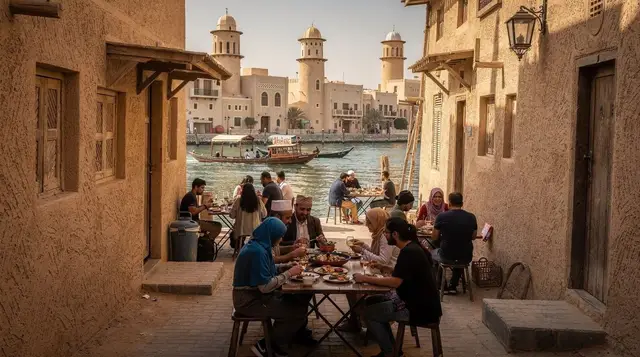
Iftar, the meal breaking the day’s fast at sunset, is where Ramadan becomes genuinely worth experiencing as a visitor rather than something to plan around defensively. Hotels across the city set up elaborate iftar buffets and dedicated Ramadan tents, serving traditional dishes — dates and gahwa first to break the fast (echoing the same hospitality ritual covered in the Coffee Museum guide), followed by extensive spreads of Emirati, Levantine, and international food. These are open to the public with advance booking and often represent some of the best value, most atmospheric dining Dubai offers all year, since venues compete heavily for Ramadan business.
Suhoor: the pre-dawn meal and late-night culture
Suhoor, the meal eaten before dawn to sustain the day’s fast, has evolved in Dubai into a genuinely social late-night institution — many restaurants and cafés stay open well past midnight into the early morning hours specifically for suhoor gatherings, with shisha lounges and casual eateries often busiest in these late hours rather than earlier in the evening. For visitors on a flexible schedule, experiencing a suhoor gathering offers a different, more locally social atmosphere than a hotel iftar buffet, closer to how many residents actually spend Ramadan nights.
Booking an iftar experience
This heritage-style overnight desert safari with Bedouin camp and breakfast illustrates the kind of traditional camp-and-tent format that several operators adapt into dedicated Ramadan iftar-in-the-desert packages during the month itself — breaking the fast under open sky in a Bedouin-style camp setting. Availability and specific Ramadan packages shift year to year and are typically listed closer to the month itself, so check current desert camp and hotel offerings directly for the exact dates you’re traveling, rather than assuming a standard listing automatically includes Ramadan-specific programming.
Attraction and mall hours during Ramadan
Most major attractions stay open during Ramadan but shift their hours — some open slightly later in the morning and run reduced capacity through the afternoon, then extend into the evening. Malls are the clearest example of the shift: many extend hours well past midnight to accommodate the post-iftar rush of shopping and socializing, since a large share of Ramadan evening life in Dubai happens inside air-conditioned malls once families have eaten. Confirm specific hours for any attraction on your itinerary directly, since Ramadan scheduling genuinely differs from the rest of the year rather than following a predictable pattern.
Alcohol and nightlife during Ramadan
Licensed venues generally restrict or pause alcohol service during Ramadan, particularly in publicly visible settings like open bars or beach clubs, with the exact rules varying by venue, emirate, and shifting somewhat year to year based on current regulation. Some hotel bars maintain limited service for in-house guests specifically. Visitors planning a nightlife-focused trip should not assume Dubai’s normal bar and club scene operates unchanged during the month — check individual venues directly rather than assuming standard hours and offerings apply.
Dress code during Ramadan
The modest-dress standard that applies in Dubai year-round — shoulders and knees covered outside beach and pool areas — becomes more consistently expected during Ramadan, given the month’s broader emphasis on modesty and restraint across public life. It’s worth erring toward the more conservative end of your normal Dubai wardrobe during this period specifically, even in areas where dress norms are usually more relaxed the rest of the year.
Public behavior and noise
Beyond eating and drinking, Ramadan generally calls for more subdued public behavior — loud music in public spaces, boisterous behavior, and general rowdiness are less appropriate during this month than at other times, reflecting the more reflective, restrained tone Ramadan carries for observant Muslims. This isn’t a legally enforced standard in the way public eating restrictions are, but it’s a genuine social expectation worth respecting as a visitor.
Cultural experiences unique to Ramadan
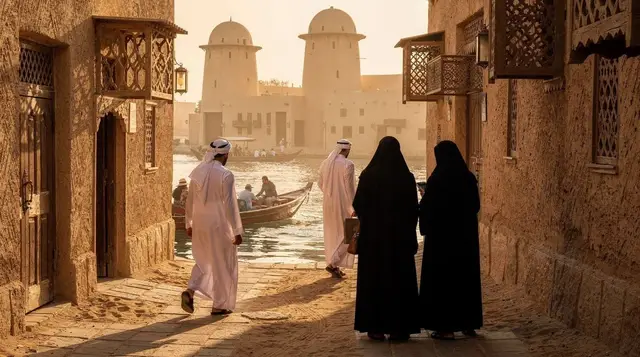
Beyond iftar and suhoor, Ramadan brings specific cultural programming worth seeking out: some heritage sites and cultural centers run special Ramadan-season tours or evening events, mosques may offer additional visitor access around Iftar or Taraweeh (special nightly prayers), and the general evening atmosphere across Old Dubai and traditional neighborhoods takes on a warmth and communal energy that’s genuinely distinct from the rest of the year. The Emirati culture and etiquette guide covers broader cultural context that applies with extra weight during Ramadan specifically.
Eid al-Fitr: what happens when Ramadan ends
Ramadan concludes with Eid al-Fitr, a multi-day public holiday marked by family gatherings, gift-giving, and celebratory meals. For visitors, this typically means a burst of festive public activity, some businesses closing for the holiday itself, and generally busier malls and attractions as residents take advantage of the break — worth factoring into plans if your trip overlaps with Eid specifically, since it behaves more like a major national holiday than an ordinary day.
Should you actually plan a trip around Ramadan?
For visitors specifically curious about experiencing UAE culture in its most distinctive seasonal form, yes — the iftar and suhoor culture, the shift in evening rhythm, and the general atmosphere are genuinely worth experiencing and rarely covered honestly in generic travel content that treats Ramadan purely as a set of restrictions to navigate. For visitors mainly focused on beach time, nightlife, or maximum daytime sightseeing flexibility, a non-Ramadan trip will likely deliver a smoother, more conventional experience. Neither choice is wrong; it depends on what you’re actually looking for from the trip.
Weekday rhythm and business hours
Working hours for many businesses shift and shorten during Ramadan (a common pattern is reduced daytime hours with government and many private offices closing earlier), which can affect tour and activity availability during the day. Evening and night bookings, by contrast, often become easier to secure and more atmospheric, since much of the city’s operational rhythm effectively shifts later in the day throughout the month.
Combining a Ramadan visit with sightseeing
Daytime sightseeing at outdoor or less air-conditioned attractions works fine during Ramadan, just with the same public eating and drinking restrictions applying as anywhere else. It’s a reasonable strategy to schedule indoor, ticketed attractions such as Museum of the Future or mall-based activities during the day, and shift dining and social plans to the evening iftar and post-iftar hours when the city’s energy genuinely picks up. The how many days in Dubai guide and general trip planning guide can help structure an itinerary around this shifted daily rhythm.
Practical tips for a smooth Ramadan visit
Carry water and snacks for private, discreet consumption rather than relying on grabbing food anywhere convenient during the day; book iftar experiences in advance, since popular hotel buffets fill up, particularly on weekends; and check specific attraction and restaurant hours daily rather than assuming a fixed schedule, since Ramadan hours can shift slightly through the month, especially around its final days.
If you’re invited to an Emirati home for iftar
Some visitors, particularly those with local business or personal connections, do receive genuine invitations to break the fast in an Emirati home during Ramadan — a meaningful gesture worth accepting if it happens. Basic etiquette applies: arrive on time (ideally slightly early, given the meal starts precisely at sunset), bring a small gift such as dates or sweets rather than nothing, eat modestly from shared dishes with your right hand, and expect the meal to begin with dates and gahwa before moving to a full spread. Overstaying isn’t a concern in the way it might be elsewhere — Ramadan iftar gatherings often run long and relaxed, and hosts generally welcome guests staying well into the evening.
Ramadan for business travelers
Visitors traveling to Dubai for work during Ramadan should expect shortened business hours (a common pattern trims 1.5-2 hours off the standard workday for many companies and government entities), a slower overall pace to meetings and negotiations, and a general cultural expectation of patience rather than pushing for rapid decisions during the month. Scheduling client meetings or business meals around iftar times, rather than during the late afternoon when energy and focus dip noticeably for fasting colleagues, tends to go over considerably better.
Desert safaris and outdoor activities during Ramadan
Standard desert safaris, including options covered in the best desert safari guide, continue operating during Ramadan, though some evening departure times shift slightly to accommodate iftar, and camp-based dinners are adapted around the fast-breaking meal rather than served at the usual earlier hour. Daytime desert activities (quad biking, dune bashing) generally run as normal, since the restriction concerns eating and drinking in public, not the activity itself.
Shopping and the souks during Ramadan
The Gold and Spice Souks and Dubai’s malls, covered in the shopping guide, stay open through Ramadan with adjusted hours, typically quieter in the afternoon and considerably busier in the evening once shoppers head out after iftar. Eid al-Fitr, marking Ramadan’s end, brings a further shopping surge as families buy gifts and new clothes for the holiday, similar in scale to a Western end-of-year shopping period.
Family travel during Ramadan
Traveling with kids during Ramadan works reasonably well since children aren’t expected to fast and hotel dining accommodates families normally; the main adjustment is planning meals around hotel restaurants or private dining rather than assuming standalone restaurants will be open at midday. The family planning guide covers broader logistics that apply with a few Ramadan-specific tweaks layered on top.
Budgeting for a Ramadan trip
Hotel rates can actually dip during parts of Ramadan, since some leisure travelers avoid the month specifically because of the daytime restrictions, making it a potentially good-value time to visit for budget-conscious travelers willing to adjust their daytime habits. The Dubai budget guide covers general cost-saving strategies that combine well with any Ramadan-season rate dips.
Ramadan across the wider UAE
The same restrictions and rhythms described here for Dubai apply broadly across the UAE, including Sharjah, which observes Ramadan somewhat more strictly given its more conservative civic identity even outside the holy month. Visitors combining a Dubai trip with day trips to neighboring emirates during Ramadan should expect the same or slightly stricter daytime norms rather than more relaxed ones.
Flights, hotel rates, and crowd levels
Airlines and hotels generally see a modest dip in leisure demand during the early and middle parts of Ramadan, easing again as Eid approaches, which can translate into better availability and occasionally softer pricing compared with peak non-Ramadan season. This dip largely reflects reduced demand from travelers unaware of or wary of the daytime restrictions, rather than any genuine reduction in what the city has to offer — for a visitor comfortable adjusting daytime habits, it can be a quietly good-value window to travel.
A note on respectful curiosity
Visitors sometimes worry that asking questions about fasting, prayer times, or Ramadan customs will come across as intrusive — in practice, the opposite is usually true. Genuine, respectful curiosity is generally welcomed by Emiratis and other Muslim residents, many of whom appreciate a visitor making the effort to understand rather than simply enduring the month’s adjustments without context. Asking a hotel host, guide, or Emirati acquaintance directly tends to produce a warmer, more informative answer than guessing or relying solely on secondhand travel advice.
The bottom line
Ramadan doesn’t close Dubai to visitors — it changes its shape, quieting daytime public life while turning the evenings into the city’s most distinctive, communal season. Visitors who plan around the restrictions rather than fighting them, and who deliberately book at least one iftar experience, tend to come away with a richer, more specific sense of Emirati and Islamic culture than a standard trip delivers, even as some conveniences (daytime dining flexibility, standard nightlife hours) genuinely take a back seat for the month.
Photography and social media etiquette during Ramadan
Photographing people eating, praying, or breaking their fast without permission is a firmer no during Ramadan than in ordinary travel photography — treat mosque interiors, iftar tents, and prayer moments as off-limits unless a venue explicitly welcomes photos. General street and skyline photography, covered in the photography guide, remains fine; the sensitivity is specifically around close, unposed shots of people mid-worship or mid-meal.
Daytime vs evening: what actually changes
| Daytime (fasting) | Evening (after sunset) | |
|---|---|---|
| Eating out | Hotels only, screened sections | Iftar buffets, everything opens up |
| Malls | Open, quieter | Busy, extended hours past midnight |
| Streets | Quiet, subdued pace | Lively, festive |
| Alcohol | Paused at most venues | Limited service resumes at some hotel bars |
| Best for | Indoor sights, Museum of the Future | Iftar, souks, night tours |
Is Ramadan the same across all of Dubai’s neighborhoods?
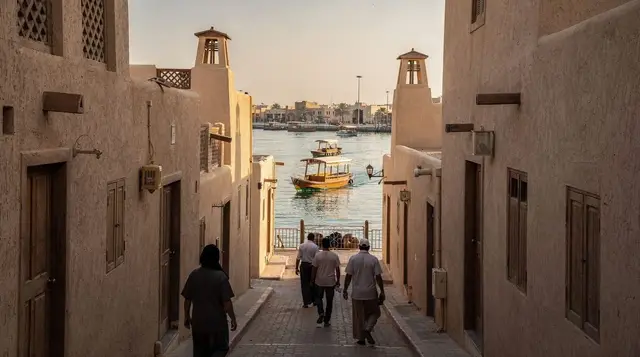
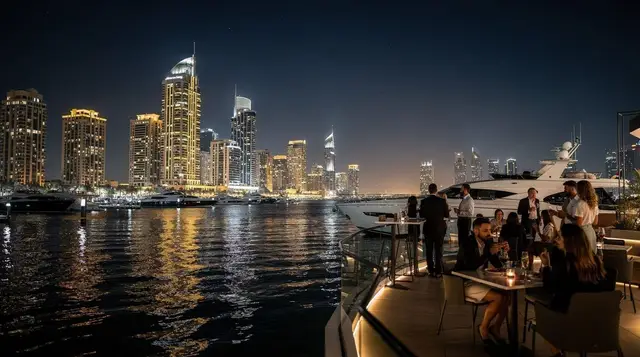
The core rules apply citywide, but the visible atmosphere differs by area. Old Dubai and the souks lean into a traditional, community-oriented Ramadan mood in the evenings, while Downtown and the Marina feel more like the daytime hush of the rest of the city with an evening spike in mall and restaurant traffic. Neither is “more Ramadan” than the other — they’re simply different flavours of the same shifted rhythm, and combining an Old Dubai evening with a Downtown iftar buffet during the same trip shows both sides.
Frequently asked questions about visiting Dubai during Ramadan
Can I eat and drink in public during Ramadan?
Not in public spaces during fasting hours — use hotel restaurants, room service, or discreet private dining instead.
Is iftar open to non-Muslim tourists?
Yes, hotel iftar buffets and tents are open to the public with advance booking and are one of the highlights of visiting during the month.
Do attractions stay open during Ramadan?
Most do, with adjusted hours — check specific schedules, since they differ from the rest of the year.
Does alcohol service change during Ramadan?
Yes, licensed venues generally restrict or pause service, particularly in visible public settings, with rules varying by venue.
What should I wear during Ramadan?
The standard modest-dress rule (shoulders and knees covered) applies more consistently across the city during this month.
Is it a good time to visit Dubai?
For visitors interested in a genuinely distinctive cultural experience, yes; for those prioritizing daytime flexibility and standard nightlife, a non-Ramadan trip may suit better.
Do hotel pools and beaches stay open during Ramadan?
Yes, hotel pools and private beach areas generally operate normally, since the public daytime restrictions target visible eating and drinking in public spaces, not swimming or sunbathing on private hotel grounds.
Will my desert safari or day trip be affected by Ramadan?
Most operators continue running standard daytime and evening activities, including options in the best desert safari guide, though evening dinner timing shifts slightly around iftar and some camps add Ramadan-specific programming.
Top experiences
Bookable activities with verified prices and instant confirmation on GetYourGuide.