Shopping in Dubai: malls, souks, and what's actually worth buying
Dubai: old town, souks, street food, guided tour & abra ride
Duration: 3-4 hours
Is Dubai good for shopping?
Yes, for a specific set of things: gold and jewelry (competitive pricing, no import duty on gold itself), electronics and luxury goods (duty-free pricing beats many home markets), and souvenirs and spices at the traditional souks. It's not generally cheaper than home for everyday clothing or groceries, and Dubai's malls function as much as air-conditioned attractions and social spaces as retail destinations — worth visiting for the experience even if you buy nothing.
Dubai’s shopping scene at a glance
Dubai’s global reputation as a shopping destination is genuinely earned, but not always for the reasons the marketing suggests — the city isn’t a bargain-hunter’s paradise across the board, and understanding exactly which categories deliver real value, versus which are simply large and impressive rather than cheap, makes for a far more satisfying and less disappointing shopping trip.
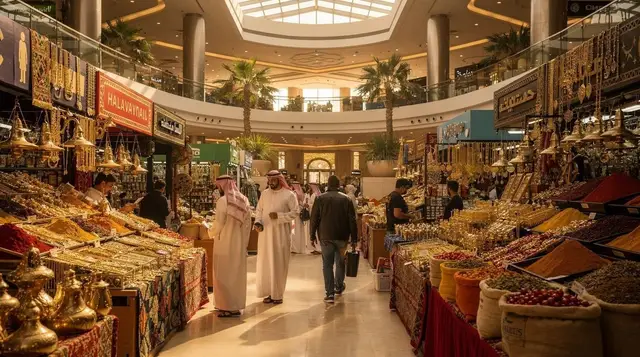
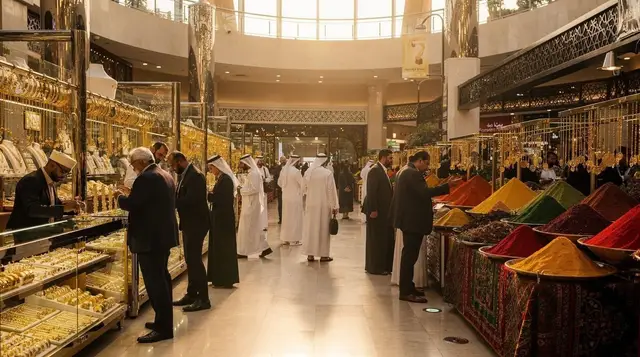
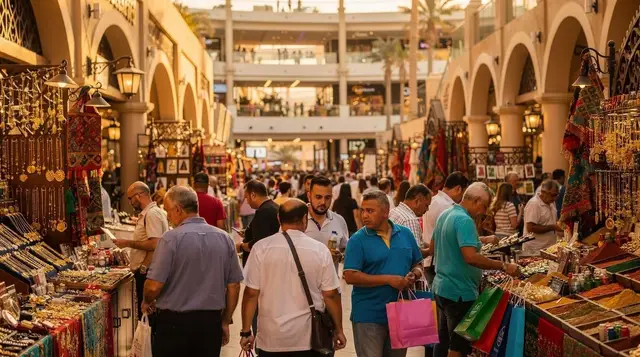
Dubai’s shopping identity runs on two completely different tracks that rarely overlap: the mega-malls — air-conditioned, brand-heavy, built as much for entertainment as retail — and the traditional souks along Old Dubai’s Creek, where gold, spices, and textiles are sold much the way they have been for generations, bargaining included. Both are genuinely worth experiencing, and most visitors get more out of a Dubai trip by doing at least a little of each rather than picking one and skipping the other entirely.
This guide gives the honest overview: what’s actually good value, where the malls and souks each earn their reputation, how VAT refunds and shopping festivals fit in, and how to think about shopping as part of a broader Dubai trip rather than a separate errand bolted onto the sightseeing.
| Best value | Gold, spices/dates, oud perfume |
| VAT refund | 5% reclaimable at airport kiosks, registered retailers only |
| Bargaining | Expected at souks, fixed prices in malls |
| Best time | Morning for souks, afternoon for air-conditioned malls |
| Deal season | DSF (Dec-Jan) or DSS (Jul-Aug) |
Malls: retail as an attraction
Dubai’s malls scale to a genuinely unusual size by global standards, and the sheer floor area involved means a single visit rarely covers the whole building — planning to focus on a specific zone or attraction within a mega-mall, rather than trying to see everything, makes for a far more satisfying visit than an exhausting attempt at total coverage.
Dubai Mall, the world’s largest by total area, and Mall of the Emirates, home to Ski Dubai’s indoor snow slope, are less “shopping centers with some entertainment” and more “entertainment complexes with extensive shopping,” and treating them that way sets the right expectations. Both are worth a visit even for travelers with no shopping intent at all — the Dubai Aquarium, the Dubai Fountain views, and Ski Dubai’s snow park are legitimate attractions independent of the retail around them. The Dubai Mall versus Mall of the Emirates guide breaks down which specific mall suits which kind of visit in more depth.
Souks: the traditional shopping experience
The souks reward a different pace entirely than the malls — slower, more conversational, and far more dependent on the specific vendor you happen to engage with than on any fixed pricing structure, which is exactly what makes them memorable rather than interchangeable with any other city’s retail district.
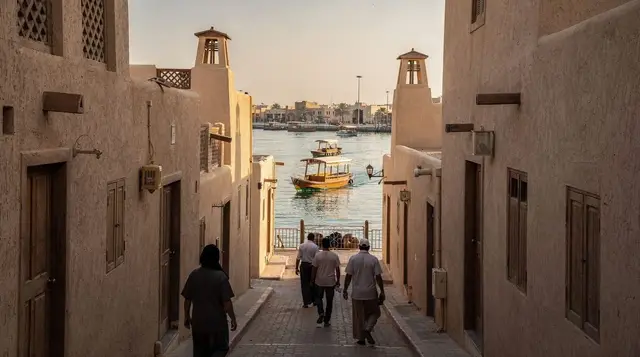
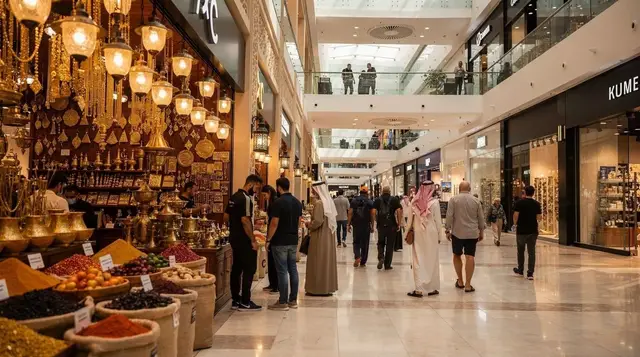
The Deira souks — Gold Souk, Spice Souk — and the smaller Textile Souk across the Creek in Old Dubai offer Dubai’s most distinctive shopping experience, a genuine departure from the mall format with narrow covered lanes, individual stall vendors, and bargaining as the default way of doing business. This guided old town, souks, and street food tour with an abra ride covers the souks alongside the historic abra crossing and Al Fahidi’s heritage architecture, a good option for visitors who want context and navigation help on a first souk visit.
The souks shopping guide covers the bargaining process and specific souk layouts in full.
Gold and jewelry: Dubai’s genuine specialty
Few things live up to Dubai’s shopping reputation as consistently as the gold trade does, and it’s worth understanding at least the basics before wandering into the Gold Souk with cash in hand, since a little knowledge here genuinely changes the outcome of a purchase.
The Gold Souk in Deira is Dubai’s most famous single shopping destination, a dense concentration of gold and jewelry retailers competing on price in a way that genuinely benefits buyers who know how to shop it — gold is sold by weight against the daily international gold price plus a “making charge” that varies by design complexity, and that making charge is where negotiation happens. The UAE’s lack of import duty on gold keeps base pricing competitive relative to many home markets. The gold shopping guide covers hallmarks, pricing mechanics, and honest buying advice in full detail — worth reading before making any significant gold purchase.
Spices, dates, and edible souvenirs
The Spice Souk, a short walk from the Gold Souk across Deira, sells the full range of regional spices, dried fruits, nuts, and — the genuine standout — dates, an Emirati specialty available in dozens of varieties from the everyday to the premium, often vacuum-packed for travel. This is one of the most reliably good-value, genuinely local purchases available in Dubai, priced reasonably even before any bargaining, and it travels well as a souvenir or gift compared with bulkier alternatives.
Perfumes and oud
Arabic perfumery, centered on oud (agarwood) as a base note, is a distinctive Dubai shopping category worth exploring even for visitors who don’t normally wear fragrance — dedicated perfume houses across the souks and in malls let you sample and often custom-blend a scent, a genuinely different retail experience from a standard Western perfume counter. Prices vary enormously by ingredient quality, so it’s worth asking directly about what you’re buying and its price basis rather than assuming a flat rate applies across the category.
Outlet shopping: bargain-focused alternative
For visitors after discounted branded goods rather than the mall or souk experience specifically, Dubai’s outlet malls offer last-season and overstock pricing on international brands, generally further from the city center than Dubai Mall or Mall of the Emirates and requiring a car or organized transfer to reach efficiently.
Shopping festivals: when to time a trip around deals
For visitors with any flexibility on travel dates, checking whether a trip lines up with one of Dubai’s two dedicated shopping events can meaningfully change the value proposition of an otherwise ordinary shopping day.
The Dubai Shopping Festival (mid-December through end of January) is the city’s flagship retail event, layering discounts, raffles, and promotional entertainment across malls and many independent retailers, while Dubai Summer Surprises (July-August) runs a similar but smaller-scale promotion during the low season. The shopping festival guide covers both events and whether timing a trip around either genuinely pays off.
VAT refunds for tourists
This is one of the more underused benefits available to shopping visitors, and understanding the process ahead of time — rather than discovering it exists only after you’ve already left the country — is the only way it actually helps your budget.
The UAE applies a 5% VAT on most retail goods, and tourists can reclaim this on qualifying purchases through the Tax Refund for Tourists Scheme, processed via kiosks at Dubai International Airport (and other UAE exit points) before departure. The refund requires purchases from registered retailers displaying the scheme’s tag, original receipts, and the goods generally unused and available for inspection — worth understanding before a major purchase if reclaiming the VAT matters to your budget.
Combining shopping with sightseeing
Because Dubai’s malls and souks sit in specific, identifiable districts, it’s easy to combine a shopping stop with nearby sightseeing rather than treating shopping as a standalone outing — Dubai Mall sits directly beside the Burj Khalifa and the Dubai Fountain, and the Deira souks pair naturally with an Old Dubai walking tour and an abra ride across the Creek.
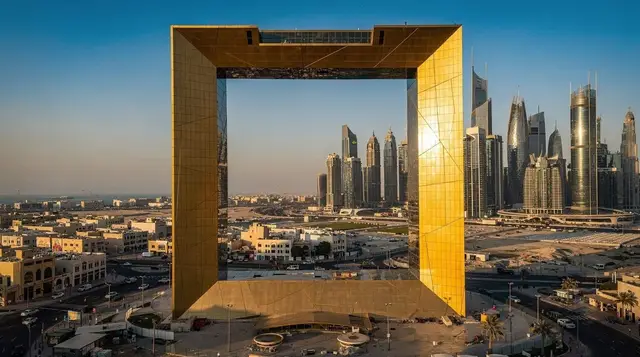
For a broader half-day combining several of these elements at once, this guided tour combining the Dubai Frame, Creek, souks, and Blue Mosque covers much of Old Dubai’s key sights alongside the souk shopping experience.
Private shopping tours and Global Village combos
For a more curated shopping experience with a guide handling logistics and navigation, this private shopping city tour with Global Village tickets combines a guided city shopping circuit with entry to Global Village, the seasonal (October-April) cultural and retail pavilion event that adds a different, festival-market style shopping experience distinct from both the malls and the traditional souks.
Modest dress while shopping
Dubai’s malls and souks don’t require the strict modest dress expected at mosques, but general modesty — shoulders and knees covered — is the sensible default in both settings, and some individual malls do post and lightly enforce dress expectations, particularly around swimwear or very revealing clothing. See the dress code guide for the fuller picture on what’s appropriate where across the city.
Shopping during Ramadan
Malls and souks remain open during Ramadan, though hours can shift, with some retailers opening later in the day and staying open later into the evening after iftar (sunset meal), when shopping activity picks up noticeably as families head out after breaking their fast. Public eating and drinking during daylight hours is restricted during Ramadan, which applies inside malls too — most mall food courts screen or curtain daytime dining areas for the month. See the Ramadan guide for the fuller seasonal picture.
Electronics and duty-free pricing
This category tends to generate the most outdated advice online, since global online retail has closed much of the gap that once made Dubai a clear-cut destination for cheap electronics.
Electronics — cameras, phones, laptops, gaming hardware — are one of Dubai’s traditional shopping draws, historically priced below many home markets thanks to low import duty, though the gap has narrowed in recent years as global online retail has become more competitive everywhere. It’s still worth comparing prices against your home market before buying, particularly for major brands, since the “Dubai is cheap for electronics” reputation persists more strongly than the current pricing reality in some categories. Warranty terms are worth checking carefully too — some electronics sold in Dubai carry a regional rather than international warranty, which matters if something needs servicing after you’ve returned home.
Luxury goods and designer brands
Dubai Mall and Mall of the Emirates both host extensive luxury retail — nearly every major international designer brand maintains a flagship or full-size store in at least one of the two — and pricing is generally comparable to or occasionally better than European flagship stores, particularly once the VAT refund is factored in for tourists. This makes Dubai a reasonable stop for luxury shopping if it’s already part of your interest, though it’s rarely, by itself, a strong enough draw to justify a trip on its own compared with established luxury shopping capitals like Paris or Milan.
Textiles, carpets, and homeware
Beyond gold and spices, the souk district includes a Textile Souk with fabric, ready-made garments, and a scattering of carpet and rug dealers, generally Persian, Afghan, and Kashmiri imports rather than locally made goods. Carpet buying in particular rewards taking time, comparing several dealers, and understanding that quoted opening prices are a starting point for negotiation, not a fixed price — a genuine, high-quality hand-knotted carpet is a significant purchase worth researching rather than buying on impulse from the first stall you visit.
Souvenirs beyond spices and dates
Beyond the edible souvenirs covered above, common Dubai souvenir categories include miniature Burj Khalifa models, Arabic calligraphy art, shisha pipes (check your home country’s import rules before buying), and traditional Emirati coffee pots (dallah) — most widely available at souvenir shops in malls, the souks, and at Global Village during its seasonal run. Prices for generic souvenirs are fairly consistent across venues, so there’s little advantage to hunting for a specific “best” souvenir shop versus buying wherever is convenient during your itinerary.
Where locals actually shop
It’s worth knowing that Dubai’s resident population does most of its everyday shopping at community malls and supermarkets that rarely appear on a tourist itinerary at all — Dubai Mall and Mall of the Emirates skew heavily toward tourists and special-occasion shopping even for residents. This isn’t a reason to avoid the headline malls, which remain genuinely worth visiting as attractions, but it’s useful context for calibrating expectations: the malls most associated with “Dubai shopping” online are as much tourism infrastructure as retail infrastructure.
Bargaining etiquette at the souks
If you do shop the souks, a friendly, unhurried approach gets better results than an aggressive one — vendors expect and enjoy the back-and-forth of negotiation as part of doing business, and starting with a smile and a counter-offer roughly 40-50% below the initial asking price is a reasonable opening move for most non-gold souk goods (gold pricing works differently, tied to the daily gold rate). Walking away, even just a few steps, is a genuine and often effective negotiating tool if a price doesn’t move — many vendors will call you back with a better offer rather than lose the sale entirely.
A realistic shopping day plan
For visitors wanting to fit a proper shopping day into a broader Dubai trip, a workable structure covers the Deira souks (Gold Souk, Spice Souk) and an abra ride in the morning, when temperatures are more manageable and the souks are less crowded, followed by an afternoon at Dubai Mall or Mall of the Emirates once the day’s heat peaks, using the mall’s air conditioning as an escape from the outdoor midday sun. This sequencing works particularly well outside the cooler winter months, when the outdoor souk visit is far more comfortable earlier in the day than in the afternoon.
Is Dubai worth visiting just for shopping?
Weighing everything covered above against the cost and effort of a dedicated trip, the honest answer for most visitors is no — Dubai’s shopping scene is a strong complement to a trip built around its landmarks, desert experiences, and beaches, not a strong enough draw on its own to justify a dedicated shopping-only trip the way, say, a fashion capital like Paris or Milan might be for a committed shopper. That said, for gold and jewelry buyers specifically, or for anyone visiting during the Shopping Festival with a genuine interest in the promotional deals on offer, shopping can reasonably become a bigger focus of the itinerary than it would for a typical first-time visitor with only a handful of days to spend across the whole city.
Shipping and customs for bulkier purchases
Carpets, larger homeware, or bulk gold purchases sometimes exceed what’s practical to carry home in luggage, and most reputable souk and mall retailers can arrange international shipping for a fee — worth asking about upfront on any purchase you’re not planning to carry yourself. Check your home country’s customs allowances and duty thresholds before a large purchase, particularly for gold and jewelry, since import duty on the receiving end can offset some of the savings made in Dubai if the value exceeds your country’s personal allowance.
Malls vs souks: which fits your trip
| Malls | Souks | |
|---|---|---|
| Pace | Fast, air-conditioned, browse freely | Slower, conversational, bargaining expected |
| Best for | Electronics, luxury, entertainment | Gold, spices, textiles, atmosphere |
| Pricing | Fixed | Negotiable, especially gold making charges |
| Time needed | Half a day minimum for one mega-mall | 1-2 hours for Gold + Spice Souk |
| Pair with | Burj Khalifa, Dubai Fountain | Old Dubai walk, abra ride |
Frequently asked questions about shopping in Dubai
Is shopping in Dubai cheaper than at home?
Often yes for gold, jewelry, electronics, and luxury brands, thanks to low import duty and a partly reclaimable 5% VAT. Everyday goods are broadly comparable to a major Western city.
What should I buy in Dubai?
Gold and jewelry, spices and dates, Arabic oud perfumes, and electronics or luxury goods if the pricing genuinely beats your home market.
Can tourists get a VAT refund on Dubai purchases?
Yes, through the Tax Refund for Tourists Scheme, processed at airport kiosks before departure, on qualifying purchases from registered retailers.
Are Dubai malls just for shopping?
No, the largest malls function as full attractions with aquariums, ski slopes, and cinemas well beyond their retail offer.
Is haggling expected in Dubai?
Yes, at the traditional souks — Gold Souk, Spice Souk, Old Souk. In malls and branded stores, prices are fixed.
When is the best time for shopping deals in Dubai?
The Dubai Shopping Festival (mid-December to end of January) and Dubai Summer Surprises (July-August) are the two dedicated sale periods.
How much time should I budget for a shopping day in Dubai?
A realistic full shopping day covers the Deira souks and an abra ride in the morning (1-2 hours) plus one mega-mall in the afternoon (3-4 hours minimum) — trying to add a second mall or souk district the same day usually feels rushed.
Is it safe to carry cash for souk bargaining?
Yes, it’s normal and often expected — many souk vendors, especially for smaller purchases, prefer cash, though card payment is widely accepted too. Carry a reasonable amount rather than a large sum, and use the same common-sense precautions as any crowded tourist area.
Top experiences
Bookable activities with verified prices and instant confirmation on GetYourGuide.