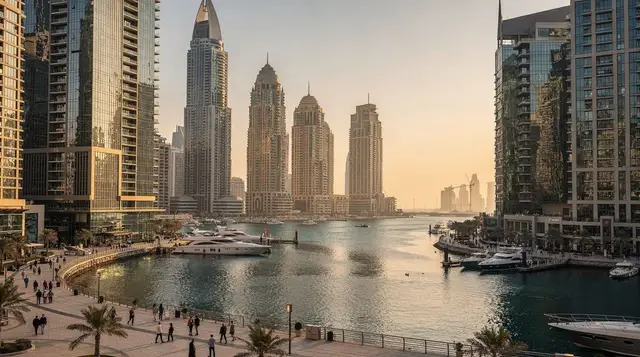
Dubai — complete visitor guide
Plan a Dubai trip: neighborhoods, realistic costs in AED, metro routes, dress code, best months, and which desert safari or Burj Khalifa ticket to book.
Dubai: Burj Khalifa levels 124 & 125 entry ticket + options
Duration: 1.5 hours
- Free cancellation
Quick facts
- Currency
- AED (dirham), pegged at ~3.67 to 1 USD
- Language
- Arabic official; English used everywhere
- Weekend
- Saturday–Sunday (since Jan 2022)
- Time zone
- GST, UTC+4, no daylight saving
- Getting around
- Metro (Red & Green lines), taxi, Careem, Nol card
Dubai at a glance
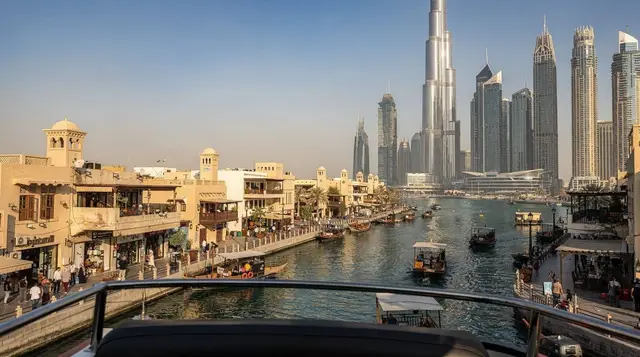
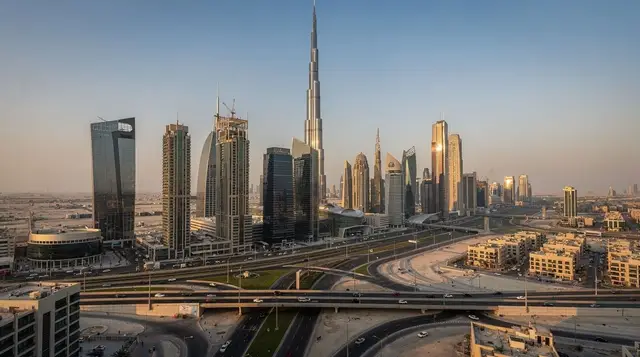
Dubai is a city of roughly 3.6 million people built along a 15-kilometer strip of Gulf coastline, and almost everything a visitor wants sits inside three clusters: Downtown Dubai (Burj Khalifa, Dubai Mall), the coastal run from Dubai Marina to Palm Jumeirah, and Old Dubai around the Creek (Deira and Bur Dubai). A first trip of 4 to 7 days covers those three areas plus one day in the desert. The city runs on air conditioning and a metro system that’s cleaner and more reliable than most European networks, so the heat is manageable if you plan around it rather than fight it.
Most visitors land at Dubai International Airport (DXB), 5 km from Downtown, or the newer Al Maktoum International (DWC) further southwest, mainly used by budget carriers. From DXB, the Red Line metro reaches Downtown and the Marina directly; a taxi to Downtown runs about AED 40–60 (11–16 USD) and takes 20–30 minutes outside rush hour. If you’re stacking Dubai with a longer Gulf trip, the Dubai to Abu Dhabi day trip and a stop in Sharjah or Ras Al Khaimah are both under two hours by road.
Getting to Dubai and getting around
The metro is the backbone: the Red Line runs from the airport through Downtown, Business Bay, and along Sheikh Zayed Road to the Marina and Jebel Ali; the Green Line covers Deira and Bur Dubai, useful for Old Dubai and the souks. A Nol card is required for every ride — single paper tickets exist but cost more and aren’t worth the hassle for a multi-day stay. A Gold Class carriage costs roughly double standard fare and is rarely necessary. Trains stop running around midnight (1am Thu/Fri), so factor that in if you’re out late in the Marina.
Taxis are metered, plentiful, and reasonable by international standards — a cross-city run rarely exceeds AED 80–100 (22–27 USD). Careem and Uber both operate and are marginally cheaper than street taxis for longer trips. Renting a car makes sense mainly for day trips to Hatta or the desert conservation reserve; parking and highway tolls (Salik) add up inside the city, and driving in Downtown traffic during evening rush hour is unpleasant. See getting around Dubai for a fuller breakdown, and the Dubai airport to city guide if you’re arriving on a tight layover — also worth checking the 24-hour layover itinerary if you have less than a full day.
Where to base yourself: Dubai’s neighborhoods
Downtown Dubai puts you at the foot of the Burj Khalifa and Dubai Mall, walkable to the fountain shows, but it’s the most expensive area and feels corporate after dark. Read the Downtown Dubai guide for hotel bands and metro access.
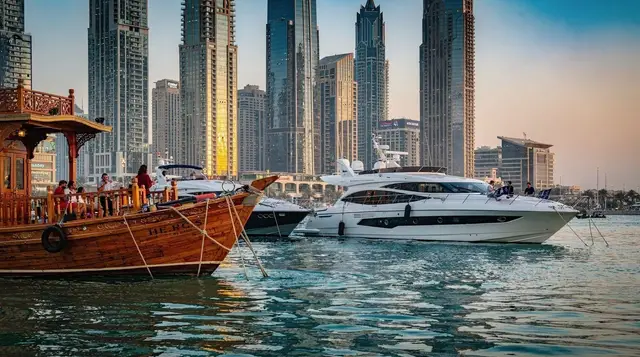
Dubai Marina and JBR is the beach-and-nightlife base — a walkable promenade lined with towers, restaurants, and a proper public beach at Jumeirah Beach Residence. It’s 25–30 minutes by metro from Downtown, so plan on commuting if you want both scenes in one trip. Full detail on the Dubai Marina page.
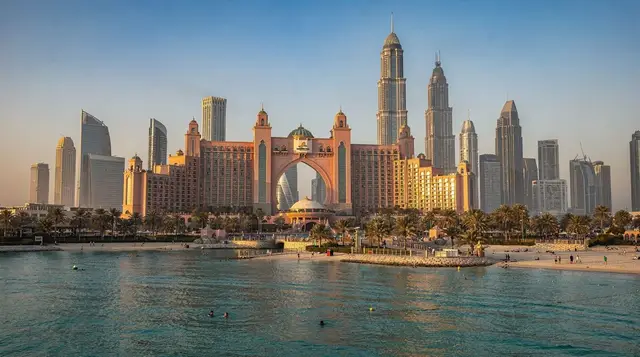
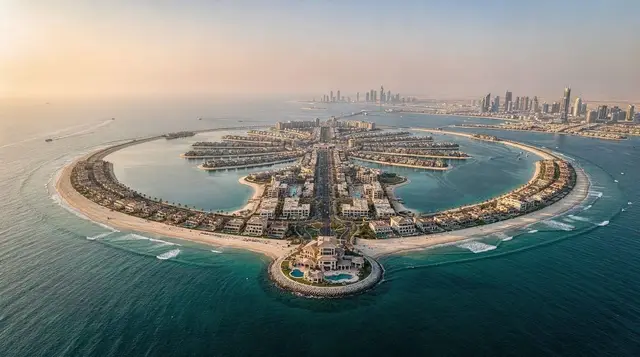
Palm Jumeirah is the artificial palm-shaped island with Atlantis and the higher-end resorts. It’s self-contained and relaxing but isolated — expect taxi or monorail dependency for anything off-island. See the Palm Jumeirah guide.
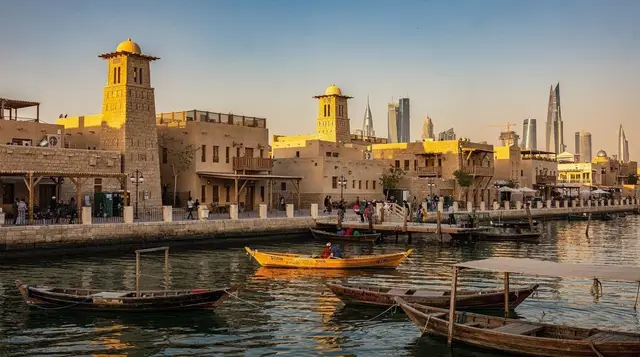
Old Dubai (Deira and Bur Dubai, either side of the Creek) is the cheapest and most atmospheric base, with the gold and spice souks, heritage houses, and AED 1 abra boat crossings, but fewer beach and nightlife options nearby. Full write-up: Old Dubai.
For a comparison across all areas including price bands, see where to stay in Dubai and Dubai’s best areas to stay.
Dubai neighborhoods compared
| Area | Best for | Metro access | Typical hotel price |
|---|---|---|---|
| Downtown Dubai | Burj Khalifa, Dubai Mall, fountain shows | Direct (Red Line) | AED 500–900+/night (135–245+ USD) |
| Dubai Marina | Beach, nightlife, walkability | Direct (Red Line) | AED 450–1,000/night (125–270 USD) |
| Palm Jumeirah | Resorts, Atlantis, isolation | Monorail only | AED 700–1,500+/night (190–410+ USD) |
| Old Dubai | Souks, budget stays, atmosphere | Direct (Green Line) | AED 250–400/night (68–110 USD) |
Top things to do in Dubai
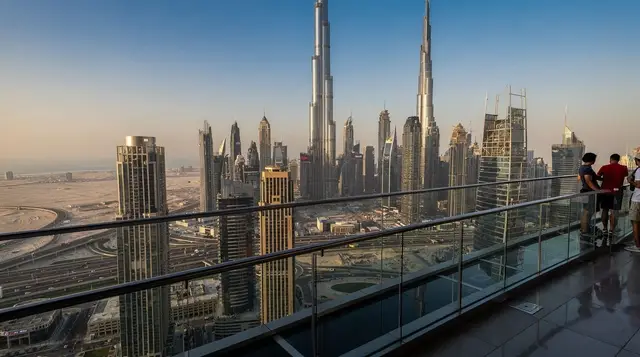
The Burj Khalifa observation decks (Level 124/125, or the pricier Level 148 “Sky”) are the single most-booked attraction in the city — book a timed slot in advance, ideally sunset, since walk-up tickets on busy evenings sell out or triple in price. You can go straight to Burj Khalifa Level 124/125 tickets, and the Burj Khalifa guide breaks down which level is worth the upgrade.
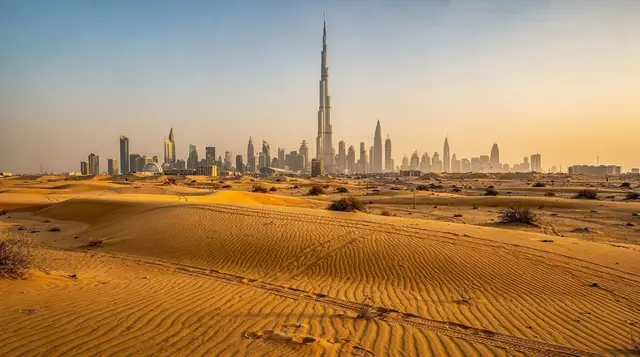
A desert safari is the other near-mandatory Dubai experience: a 4x4 convoy out to the red dunes for dune bashing, a camel photo stop, and a Bedouin-style camp dinner with entertainment. Evening safaris are far more comfortable than midday ones given the heat — this evening desert safari with BBQ dinner is a reliable, well-reviewed pick. The desert safari guide and best desert safari operators comparison cover the shared-vs-private tradeoffs and how to spot the low-quality operators.
On the coast, an evening dhow cruise through the Marina with dinner and a skyline view is a low-effort way to see the city lit up — see Dubai Marina dhow dinner cruise. At Palm Jumeirah, Atlantis’s Aquaventure waterpark is worth a half-day for families or thrill-seekers — Aquaventure Waterpark day pass covers standard entry.
Beyond the headline attractions, spend at least half a day in Old Dubai: the Al Fahidi historic quarter, the gold and spice souks, and an abra crossing of the Creek give a sense of the city before the towers. The old Dubai walking guide lays out a self-guided route, and Dubai’s souks guide covers bargaining norms so you don’t overpay.
For families, the Dubai with kids guide and theme park comparisons at IMG Worlds, Motiongate, and Legoland are worth checking before committing a full day to any single park.
What Dubai actually costs
Dubai has a reputation for being expensive that’s only half true — the city runs a genuine budget-to-luxury spread. A mid-range hotel in Downtown or the Marina runs AED 500–900/night (135–245 USD) in high season (Nov–Mar), dropping 30–40% in summer. Old Dubai hotels can be found for AED 250–400 (68–110 USD). A metro-based public transport day costs under AED 20 (5.50 USD) with a Nol card. Food ranges from AED 15–25 (4–7 USD) for a shawarma or biryani plate in Deira or Karama to AED 300+ (80+ USD) per person at a Downtown or Marina fine-dining restaurant; a Friday brunch, Dubai’s signature all-you-can-eat-and-drink weekend institution, typically runs AED 250–600 (68–163 USD) per person.
Attraction tickets are the real variable: Burj Khalifa entry starts around AED 179 (49 USD) for standard timing and climbs past AED 500 (136 USD) for VIP lounge access; a desert safari with dinner runs AED 150–250 (41–68 USD) per person for a shared group tour. Alcohol is only sold in licensed hotel bars and restaurants — a beer typically costs AED 35–55 (9.50–15 USD), noticeably more than food. Full numbers and a day-by-day sample budget are in the Dubai budget guide and how many days in Dubai.
Dress code, culture and Ramadan
The UAE is a Muslim country with dress and conduct norms that are enforced more strictly in some spaces than others. In malls, souks, and mosques, cover shoulders and knees — this applies to both men and women. Swimwear is fine at hotel pools and beaches, but walking through a mall in beach clothes will draw stares and occasionally a polite request to cover up. Visiting the Jumeirah Mosque or the Grand Mosque in Abu Dhabi requires more coverage still, including a headscarf for women; abayas are usually loaned free at the entrance if needed.
Public displays of affection beyond hand-holding are frowned upon and, technically, illegal, as is public intoxication — being visibly drunk outside a licensed venue is one of the more common ways tourists run into trouble with police. During Ramadan, eating, drinking, or smoking in public during daylight hours is prohibited for everyone, tourists included, though hotel restaurants operate curtained sections; nightlife shifts later and many venues close during the day. See the Dubai dress code guide, Emirati culture and etiquette, and if traveling during the holy month, the Dubai Ramadan guide.
Best time to visit
November through March is peak season for good reason: daytime temperatures sit between 20–30°C, outdoor dining and desert trips are comfortable, and this is also when hotel prices and flight costs peak. April and October are workable shoulder months with hotter afternoons but still-viable evenings. June through September is genuinely brutal — 40–48°C with high humidity — and outdoor attractions become impractical; this is when hotel rates drop hardest and the city leans on indoor malls, Ski Dubai, and aquariums to fill the day. If your dates are fixed for summer, plan around air-conditioned attractions and treat outdoor time as early morning or after 8pm only.
Full month-by-month detail: best time to visit Dubai and Dubai in summer.
Dubai by season
| Season | Months | Daytime temps | What it’s like |
|---|---|---|---|
| Peak | Nov–Mar | 20–30°C | Best weather, busiest, highest hotel and flight prices |
| Shoulder | Apr, Oct | 30–38°C | Hot afternoons, still-workable evenings, lower prices |
| Low / summer | Jun–Sep | 40–48°C | Genuinely brutal outdoors, cheapest hotel rates, indoor-attraction season |
| Transition | May | 35–42°C | Warming quickly, a reasonable last-minute shoulder window |
Ramadan’s dates shift each year against this calendar since it follows the lunar Islamic calendar, so cross-check the Dubai Ramadan guide against your travel dates regardless of which season you’re booking into.
Where Dubai disappoints: an honest take
Dubai markets itself as endlessly spectacular, and some of that is inflated. The Dubai Fountain show is genuinely good but only runs for five minutes every 30 minutes in the evening, and the viewing boardwalk gets packed — arrive 20 minutes early or you’ll be watching over shoulders. Desert safari quality varies wildly between operators using the same marketing photos; the cheapest shared safaris cram 20+ people into a dinner camp with a mediocre buffet and a rushed dune-bashing loop. Palm Jumeirah looks striking from the air but at ground level is mostly a residential road lined with construction and resort walls — the view is better appreciated from The View at the Palm or a helicopter than by walking it.
And several “traditional souk” experiences near hotel zones are curated tourist versions rather than the working markets you’ll find in Deira. See Dubai’s tourist traps and the wider is Dubai worth visiting discussion for a balanced verdict.
Tipping and everyday etiquette
Tipping isn’t legally required but is widely expected in a way that catches some first-time visitors off guard. Restaurants generally add a service charge to the bill, but it doesn’t always reach staff directly, so an additional 10% in cash for good service is standard practice at mid-range and upscale restaurants; rounding up at casual spots is fine. Taxi drivers don’t expect a tip but appreciate rounding up the fare. Desert safari drivers and camp staff, hotel porters, and tour guides commonly receive AED 20–50 (5.50–14 USD) depending on service length and quality — small notes are worth carrying specifically for this.
Beyond tipping, a few everyday etiquette points smooth out interactions: greet with your right hand for handshakes, avoid pointing the sole of your foot at someone when seated, and ask before photographing local people, particularly women. Friday is still treated as a quasi-religious day by many residents despite the weekend shift to Saturday–Sunday, so some smaller, family-run shops in Old Dubai and Deira close or run reduced hours around Friday midday prayers. None of this is strictly enforced for visitors, but observing it goes a long way toward a smoother trip, particularly outside the more internationally oriented Downtown and Marina areas.
Money, SIM cards and staying connected
Dirhams are the only currency accepted at most small vendors, though larger hotels, malls, and attraction ticket desks take cards without issue and increasingly Apple Pay or Google Pay. ATMs are everywhere and dispense AED directly at a reasonable rate — better than airport currency exchange counters, which apply a noticeably worse spread. If you’re carrying cash from home, exchange it at a city-center exchange house (Al Ansari and similar chains have branches in most malls) rather than at the airport arrivals hall.
For connectivity, a local prepaid SIM from Etisalat or du at the airport arrivals hall takes about ten minutes and typically costs AED 100–150 (27–41 USD) for a week of data, or an eSIM can be activated before you land if your phone supports it. Free WiFi is common in malls, cafes, and hotel lobbies, but a local data plan matters more here than in most cities because ride-hailing apps, Nol card top-ups, and restaurant reservation systems all lean on connectivity — Dubai is a genuinely app-dependent city for a smooth visit.
A sample first day in Dubai
If you land in the morning, a workable first day looks like this: check into your hotel by early afternoon, spend the hottest hours (roughly 1pm–4pm) inside Dubai Mall or the aquarium, then head to the Fountain boardwalk by 5:30pm to claim a decent viewing spot before the crowds build for the 6pm show. Book a Burj Khalifa sunset slot for the same evening if the timing lines up, or push it to day two if you’re jet-lagged, since the queue and security process add up to 30–45 minutes even with a timed ticket. Finish with dinner at Souk Al Bahar, across the water bridge from the mall, where several restaurants have direct sightlines to the fountain lake.
Day two is a natural fit for a desert safari, since most depart in the afternoon and return late evening — that leaves the morning free for a slower start after a late first night. Day three shifts to Old Dubai for the souks and abra crossing, ideally starting early to beat the heat in the open-air market lanes. From there, the 3-day itinerary and 4-day itinerary both build out fuller day-by-day structures, including where the Marina and Palm Jumeirah slot in if your trip runs longer.
Safety, health and practical concerns
Dubai is, statistically, one of the safer major cities for tourists — violent crime against visitors is rare, and the more common issues are heat-related (dehydration, sunburn, and heat exhaustion during outdoor activities scheduled at the wrong time of day) rather than crime. Tap water is treated and safe to drink, though most residents and hotels default to bottled water out of taste preference rather than safety concern.
Petty theft exists but isn’t a significant risk in the way it is in some other major tourist cities; the bigger practical risk for visitors is legal rather than criminal — falling foul of rules around alcohol, public conduct, or photography (avoid photographing government buildings, military sites, or people without consent, particularly local women). See the Dubai safety guide for a fuller rundown, including what to do if you need medical care as a tourist (private hospitals are excellent but expensive without travel insurance).
Public holidays and events that affect a visit
A handful of dates are worth checking against your travel window before booking, since they shift hotel prices and crowd levels noticeably. New Year’s Eve sees the Burj Khalifa fireworks draw the year’s single biggest crowd to the Downtown boardwalk, with hotel rates spiking well above even the November–March peak. Dubai Shopping Festival, usually running through parts of December and January, brings citywide retail promotions, fireworks, and extended mall hours. National Day on December 2nd fills streets with flag-themed decorations and evening celebrations across the city. Eid al-Fitr and Eid al-Adha, marking the end of Ramadan and the annual pilgrimage season respectively, follow the lunar calendar and shift roughly 10–11 days earlier each Gregorian year, bringing family-focused public holidays with many local businesses closing for several days.
None of these dates should be a reason to avoid visiting — most add genuine atmosphere — but budget travelers should specifically avoid New Year’s and the Eid holidays if hotel cost is a priority, since rates during these windows regularly double or triple compared to a typical peak-season week. Check current-year dates for these before booking, since several shift annually against the Gregorian calendar.
Frequently asked questions about Dubai
How many days do I need in Dubai?
Four days covers the essentials — Burj Khalifa, Dubai Mall, a desert safari, and half a day in Old Dubai. Five to seven days lets you add the Marina, Palm Jumeirah, a theme park, and a day trip to Abu Dhabi or Sharjah without rushing. See the 3-day Dubai itinerary or 7-day itinerary for structured plans.
Is Dubai expensive to visit?
It can be, but it doesn’t have to be. Public transport, street food, and Old Dubai accommodation keep daily costs reasonable; the expense comes from headline attractions, alcohol, and Downtown or Marina hotels. A realistic mid-range budget is AED 500–700 (136–190 USD) per person per day including a hotel room split two ways.
What should I wear in Dubai?
Regular clothing is fine on the street and at beaches or pools; cover shoulders and knees in malls, souks, and any mosque visit. Swimwear should stay at the pool or beach — it’s not appropriate mall attire.
Can I drink alcohol in Dubai?
Yes, but only in licensed venues — hotel bars, restaurants, and clubs. It’s not sold in most supermarkets to tourists, and public intoxication is an offense that can lead to real legal trouble, not just a fine.
When is the best time to avoid the heat?
November to March. If you must travel in summer, plan outdoor time for before 9am or after sunset and lean on indoor attractions like Dubai Mall, Ski Dubai, and the aquarium during the day.
Is Dubai walkable?
Individual districts are walkable — the Marina promenade, Downtown around the mall, and Old Dubai’s souk lanes — but the city as a whole is spread out and built around highways, so you’ll need the metro, taxis, or a car to move between areas.
Do I need a visa for Dubai?
Many nationalities, including the US, UK, EU, and Australia, get a visa on arrival or visa-free entry for stays up to 30–90 days depending on passport. Check current requirements before booking, since rules are revised periodically — see the Dubai visa guide.
What’s the single best first-timer experience?
An evening combination of Burj Khalifa at sunset followed by dinner near the Dubai Fountain gives the clearest sense of what the city does well. Pair it with one desert safari and one souk walk in Old Dubai and you’ve covered Dubai’s three core identities in under 48 hours — see the first-timer itinerary for the exact sequencing.
Top experiences
Bookable activities with verified prices and instant confirmation on GetYourGuide.