Where and when to shoot Dubai's best photos
Timing matters more than gear in Dubai
Dubai’s architecture and light reward planning far more than equipment — a phone camera at the right time beats a full kit at the wrong one, since the city’s best shots depend on golden hour, blue hour, or specific weather conditions clearing the usual haze rather than on lens choice. This is a spot-by-spot, timing-first guide to the shots that actually work, based on what genuinely differs from a generic skyline photo anyone could take from a plane window.
| Best light | 30-45 min after sunset (skyline), blue hour (Marina) |
| Cost | Free at most viewpoints; AED 179-249 (~$49-68) for elevated decks |
| Time needed | One evening for 2-3 spots, sequenced by light |
| Getting there | Metro to Dubai Mall/Burj Khalifa station covers most Downtown spots |
| Best season | November-March, clearer air and lower haze |
The classic skyline: Burj Khalifa from across the water
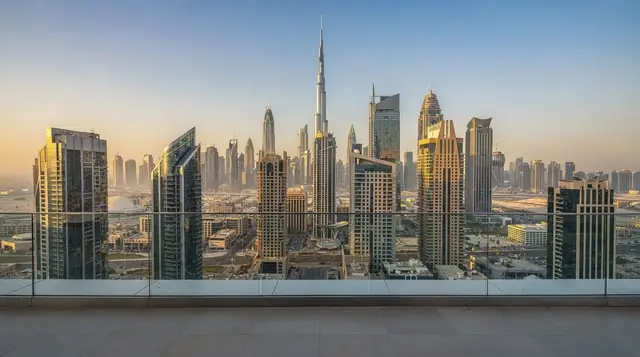
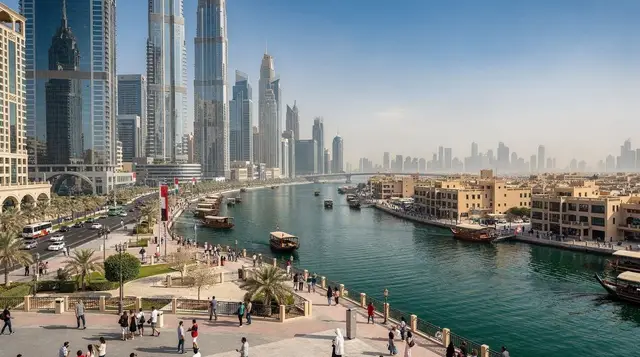
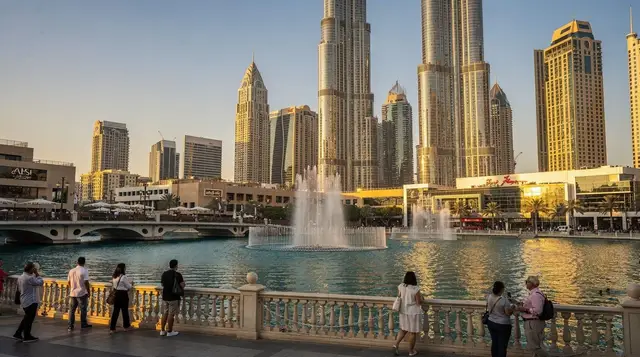
The most reproduced Dubai shot — Burj Khalifa rising above the Dubai Fountain lake — works best in the 30-45 minutes after sunset, once the building’s lights are on but there’s still enough blue in the sky to avoid a flat black background. The skyline photo spots guide has the specific promenade positions that avoid crowd-blocking in frame, which matters more here than at almost any other spot in the city given how many people are shooting the same angle simultaneously.
Palm Jumeirah from above: The View at The Palm
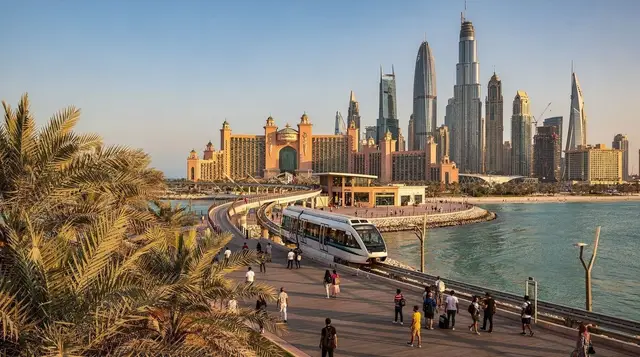
Palm Jumeirah’s fronds are only legible as a shape from height, which makes an elevated shot essential rather than optional if this specific composition matters to you. Dubai Frame entry tickets aren’t the Palm shot specifically, but the Frame’s own elevated deck gives a comparable wide vantage over both old and new Dubai in a single frame, and it sits closer to central Dubai than the Palm’s own towers if efficiency matters as much as the specific composition.
The Museum of the Future: an architecture-first subject
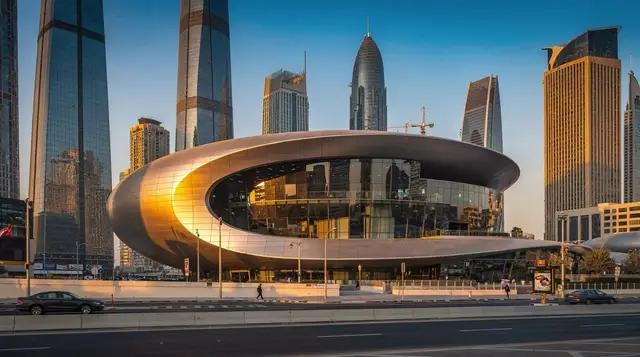
The Museum of the Future, the calligraphy-etched oval structure in Downtown, photographs well at almost any time of day thanks to its unusual form, but it’s genuinely best around dusk, when interior lighting starts showing through the building’s window cutouts against a darkening sky — a specific window of maybe 20-30 minutes that’s worth planning around rather than shooting on the way past.
Aerial shots: helicopter over the coastline
For a genuinely different perspective than any ground-based viewpoint offers, this 25-minute helicopter tour over the city of Dubai covers the Palm, the Marina, and Downtown from directly overhead — the only way to capture the Palm’s full frond pattern in one frame, or the scale of Downtown’s tower cluster against the desert beyond it. Morning flights generally offer the clearest air before afternoon haze builds, which matters more for aerial shots than for most ground-level photography in the city.
Old Dubai: texture over scale
Old Dubai’s wind-tower architecture, the Creek’s working boats, and the Gold Souk’s dense window displays reward a completely different photographic approach than the skyline shots above — closer, more textural, and less dependent on golden hour specifically, since much of the district’s character comes from its density and detail rather than dramatic lighting. Morning, before the souks get crowded and before the heat sets in, gives the cleanest light and the most workable crowd conditions for street-level shots.
Sheikh Zayed Mosque: a full-day subject, one condition attached
Sheikh Zayed Grand Mosque in Abu Dhabi, roughly 1.5 hours from Dubai, is one of the most photogenic buildings in the region at almost any time of day — white marble, reflecting pools, and detailed inlay work that catches different light throughout the day differently. The one non-negotiable condition is modest dress for all visitors, covered fully in the mosque guide, since compliance is checked at entry and non-compliant visitors are turned away regardless of how far they’ve traveled to shoot it.
Marina Walk at blue hour: motion and reflection
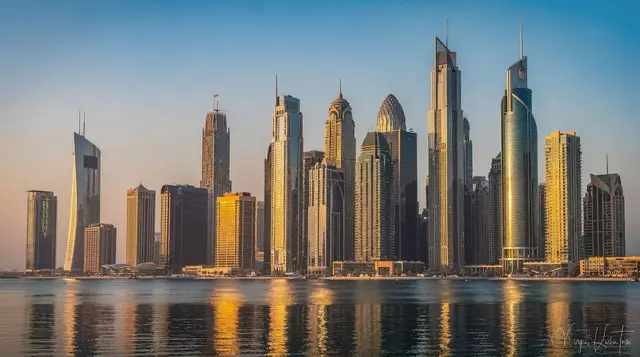
Dubai Marina’s canal-side walk offers a genuinely different composition from the Downtown skyline shot, and the general viewpoint comparison in the best viewpoints guide is worth checking against the specific compositions above — towers reflected in still or gently moving water, best captured in the 15-20 minutes of blue hour just after sunset when ambient light and building lights are roughly balanced. A slower shutter speed here, if your gear supports it, smooths water movement and yacht wakes into a cleaner reflection than a straight snapshot achieves.
Guided photography tours: when they’re worth it
A dedicated photography tour, timed specifically around golden hour and led by someone who knows current access rules and the best exact positions at each stop, removes a lot of the trial and error covered in this guide — particularly useful on a short trip where you don’t have multiple evenings to experiment with timing and positioning at each spot. It’s less necessary if you’re staying several days and can afford to scout a location once and return for the right light, but for a single-evening opportunity, a guided tour’s local knowledge of exact vantage points is a genuine time-saver.
Drone photography: check before you fly
Drone use in Dubai is tightly regulated, and flying without the correct permit — required even for tourists in most areas of the city — carries real legal consequences rather than a minor warning. Restricted zones cover most of the areas visitors would actually want to photograph from the air, including Downtown and the Marina, which makes the helicopter tour option above the more realistic route to an aerial shot for most visitors rather than attempting to fly a personal drone.
Sunrise versus sunset: an underused option
Nearly every photography guide to Dubai defaults to sunset advice, but sunrise offers a genuinely underused alternative — clearer air before the day’s haze builds, far fewer people at popular spots like the Fountain promenade or Marina Walk, and a softer light that suits Old Dubai’s texture-driven shots particularly well. The tradeoff is an early start, but for anyone photographing the souks or the Creek specifically, arriving at opening hours rather than golden hour produces cleaner, less crowded frames than the equivalent evening visit.
Night photography in the souks
Beyond the blue-hour Marina and skyline shots covered above, the Gold Souk’s illuminated window displays after dark make for a distinctly different set of images than the same streets by day — dense, warm-toned, and considerably less reliant on natural light timing than most of the other spots in this guide. A tripod or a camera with strong low-light performance helps here more than at the daylight-shot locations, since the souk’s alleys are narrower and more shadowed than the open promenades elsewhere in the city.
Building a one-evening photography plan
If you only have one evening to dedicate to photography, sequence matters: start at a spot that photographs well in flat late-afternoon light, like Old Dubai’s souks or the Museum of the Future’s exterior form, then move to your golden-hour and blue-hour location for the Downtown skyline or Marina Walk shots as the light shifts, finishing with the fountain-and-skyline shot once the buildings are fully lit against a dark sky. Trying to hit more than two or three locations in one evening usually means rushing the light-dependent shots, which are the ones that actually separate a strong, deliberately composed Dubai photo from a generic daytime snapshot taken in passing.
What to actually pack in your camera bag
Beyond the body-and-lens question, a few small items matter more in Dubai specifically than they would elsewhere: a lens cloth for AC-to-heat condensation when you step outside from a mall or car, a polarising filter for the Marina and Creek reflection shots, and a small tripod or gorilla-pod for the low-light souk shots and blue-hour long exposures. A spare battery is worth more here than most cities — screens left on to check compositions in direct heat drain faster than they do in temperate climates, and shade to swap batteries is not always nearby at open viewpoints.
Photographing the desert beyond the skyline
The dunes give a completely different palette from the glass-and-steel shots above — warm, textured, and best around sunrise or the last hour before sunset rather than midday, when flat overhead light drains the sand of contour. A desert safari built around a late-afternoon departure times the dune-bashing and camp arrival to land close to golden hour, and Old Dubai’s Creek crossings by abra offer a similar warm-toned, texture-first subject much closer to the city if a full desert trip doesn’t fit the schedule.
This evening red dunes desert safari is timed to put you on the dunes as the light turns gold, which is the specific window that separates a flat daytime desert photo from one with real depth and shadow.
Best months for clear-sky photography
| Months | Air clarity | Notes |
|---|---|---|
| Dec-Feb | Best | Lowest humidity haze, coolest for long evening sessions |
| Mar-Apr | Good | Still workable, occasional dust |
| May-Sep | Poor | Heat haze and humidity blur distant skyline shots |
| Oct-Nov | Good | Air clears as humidity drops |
Frequently asked questions about photography in Dubai
What’s the single best time of day to photograph Dubai’s skyline?
The 30-45 minutes after sunset, once building lights are on but the sky still holds some blue rather than going fully black.
Do I need a professional camera to get good Dubai photos?
No — timing (golden hour, blue hour) matters more than equipment for most of the city’s best-known shots, and a phone camera used at the right time will beat a full kit used at the wrong one.
Is a helicopter tour worth it just for photography?
Yes, if an aerial view of Palm Jumeirah’s full frond shape or Downtown’s tower cluster matters to you — it’s the only way to capture those specific compositions, which no ground-level viewpoint replicates.
What should I wear to photograph Sheikh Zayed Mosque?
Modest dress covering shoulders and knees is required for all visitors regardless of photography intent, and compliance is checked at entry.
Is Old Dubai worth photographing separately from the skyline shots?
Yes — its texture-driven, street-level character rewards a completely different approach than the dramatic lighting-dependent skyline shots elsewhere in the city.
Does haze affect Dubai photography much?
Yes, particularly in the afternoon and during summer humidity — morning light is generally clearer for both ground-level and aerial shots.
Can I fly a personal drone in Dubai for photography?
Only with the correct permit, which is required even for tourists and doesn’t cover most of the areas visitors would want to shoot, including Downtown and the Marina — a helicopter tour is the more realistic route to an aerial shot.
Is sunrise or sunset better for photographing Dubai?
Sunset suits the classic skyline shots better, but sunrise offers clearer air, fewer crowds, and softer light that particularly suits Old Dubai’s texture-driven photography.
Which months give the clearest air for skyline photography?
December through February, when humidity is lowest and heat haze isn’t blurring distant towers; October and November are a close second as humidity starts dropping.
Is the desert worth photographing on the same trip as the skyline?
Yes — it’s a genuinely different palette and subject from the glass-and-steel shots, and a late-afternoon desert safari timed for golden hour on the dunes pairs naturally with an evening back in the city for blue-hour skyline shots.