Dubai alcohol rules: what's actually legal for tourists
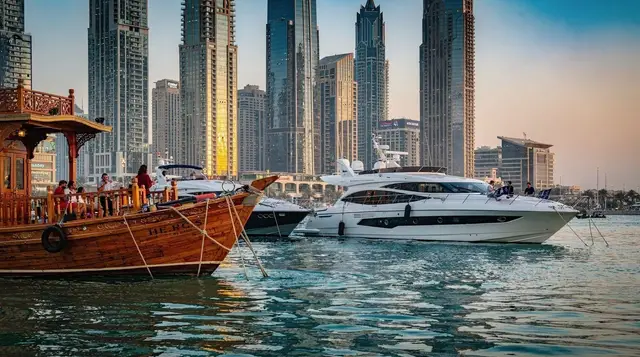
Dubai: Marina luxury dhow dinner cruise
Duration: 2 hours
Can tourists drink alcohol legally in Dubai?
Yes — tourists can drink at any licensed venue (hotel bars, restaurants, clubs) without needing a personal permit. Alcohol is not permitted in public spaces, on the street, on public beaches, or in unlicensed venues, and public intoxication is a punishable offense. Drink-driving carries zero tolerance — any detectable alcohol while driving is illegal, with serious legal consequences.
| Where | Licensed hotel bars, restaurants, and clubs — never in public, on the street, or on free beaches |
| Cost | drinks priced like any licensed venue; duty-free allowance ~4 litres on arrival |
| Rule to remember | zero tolerance for drink-driving — any detectable alcohol, no legal limit |
| Ramadan | many venues restrict service to after sunset or pause for the month |
| Elsewhere in UAE | Abu Dhabi similar to Dubai; Sharjah is fully dry |
The short version
Alcohol laws are one of the most frequently googled, and most frequently misunderstood, topics among first-time Dubai visitors — often approached with either exaggerated anxiety about strict Sharia enforcement or the opposite assumption that “anything goes” in a city known for luxury and excess. Neither picture is accurate. The real system is a specific, learnable set of rules built around where you drink rather than whether you can, and once you know the framework, it stops being a source of pre-trip worry.
Alcohol is legal in Dubai within a licensed system: you can drink at hotel bars, licensed restaurants, clubs, and lounges without needing any personal permit as a tourist, but you cannot drink in public spaces, on the street, on the open public beaches, or at unlicensed venues. Public intoxication is an offense, and drink-driving carries zero tolerance — not a legal limit you can stay under, but a flat prohibition on any detectable alcohol while driving. Understanding this framework before your trip avoids both an accidental legal issue and unnecessary anxiety about a system that, once understood, is fairly straightforward.
This guide covers the practical detail: where you can actually drink, how buying alcohol works, what happens if you break the rules, how things shift during Ramadan, and how the rules compare across the wider UAE beyond Dubai itself.
Where you can legally drink
Knowing exactly which categories of venue qualify removes most of the guesswork that otherwise makes this topic feel more complicated than it actually is in practice.
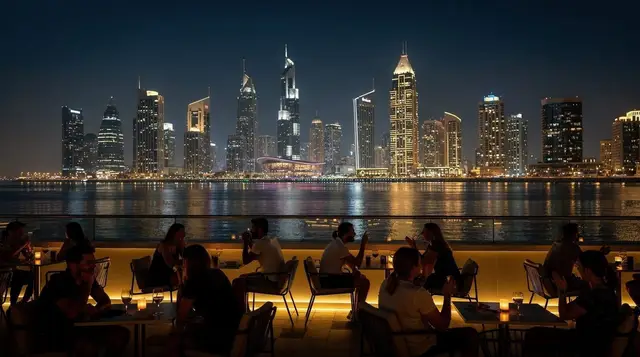
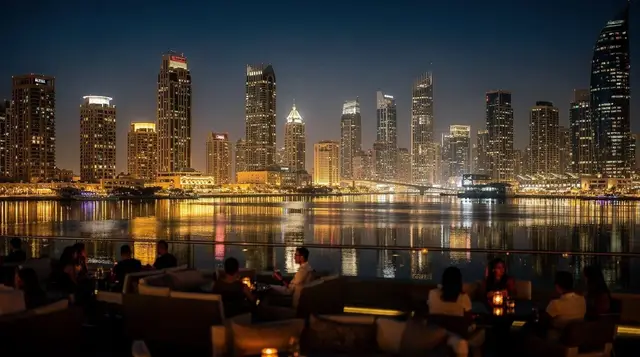
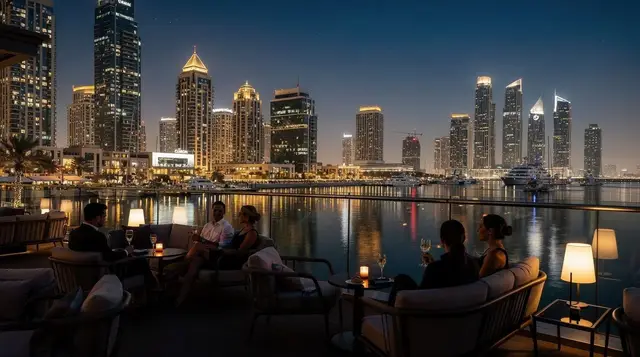
Licensed venues are the only legal place to drink in the UAE, and licensing is granted per venue rather than existing as a general permission. In practice, this means the overwhelming majority of Dubai’s bars and restaurants serving alcohol operate inside hotels, since hotel properties hold most of the emirate’s liquor licenses. A smaller number of standalone licensed restaurants, clubs, and members’ venues exist outside hotel properties. If a venue isn’t specifically licensed, it legally cannot serve alcohol regardless of how upscale or tourist-oriented it looks — checking whether a specific restaurant serves alcohol before assuming it does is a reasonable habit, particularly outside the main hotel districts.
See the nightlife guide and best bars guide for where the licensed venues concentrate.
Where you cannot drink
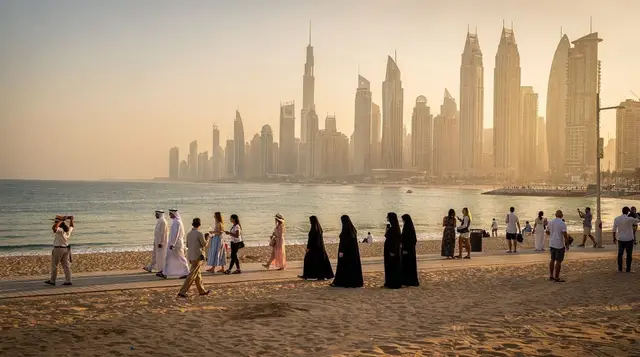
Public spaces — streets, parks, the free public beaches, malls, and any outdoor area outside a licensed venue’s premises — are off-limits for alcohol consumption, full stop. This includes the well-known free beaches like JBR and Kite Beach, covered in the beaches guide: alcohol is restricted to licensed hotel beach clubs and beachfront bars, not the open public sand. Public intoxication, even without an open container, is itself an offense that police can and do act on, particularly if it involves disorderly behavior. The practical rule of thumb: if you’re not inside a specifically licensed venue, don’t drink there.
Buying alcohol as a tourist
Tourists cannot buy alcohol from ordinary grocery stores or supermarkets — the UAE handles retail alcohol sales through specific licensed liquor stores, which historically required residents to hold a personal liquor license to purchase from, though rules have loosened for residents in recent years. As a tourist, the simplest and most relevant path is buying alcohol directly at a licensed venue for on-site consumption (a bar, restaurant, or hotel), rather than trying to buy retail alcohol to take back to non-hotel accommodation. If you’re staying at a licensed hotel, minibar and room service alcohol is available through the property directly.
Duty-free allowance at the airport
Non-Muslim visitors arriving into Dubai are permitted a limited personal duty-free alcohol allowance, commonly cited as roughly 4 litres of wine or spirits, or a set quantity of beer, purchased at duty-free before entry — specific current limits are worth confirming with your airline or Dubai Duty Free directly, since allowances and enforcement details can be adjusted. Bringing alcohol beyond the personal allowance, or attempting to bring it in outside the duty-free channel, risks confiscation and potential penalties. This is a narrow, specific allowance for personal consumption, not a basis for bringing in alcohol to give away or sell.
Drink-driving: zero tolerance, genuinely enforced
This is the rule most likely to catch a tourist off guard: the UAE applies zero tolerance to alcohol and driving, meaning there is no legal blood-alcohol limit you can stay under the way there might be at home — any detectable alcohol while driving is treated as an offense. Penalties can include significant fines, license suspension, vehicle impoundment, and in serious cases detention, and enforcement includes routine checkpoints, particularly around weekend nightlife hours. The only sensible approach if you’ve had any alcohol at all is Careem, a taxi, or a hotel car service — not driving yourself, and not accepting a ride from anyone else who has been drinking.
See getting around Dubai for how easy it is to avoid ever needing to drive after a drink in the main tourist areas.
Public intoxication and disorderly conduct
Visibly drunk or disorderly behavior in public — stumbling, shouting, aggressive behavior — can result in police involvement even without any other specific offense, since public intoxication itself is treated seriously under UAE law. This is a meaningful cultural difference from cities where a rowdy but harmless drunk night out barely registers; in Dubai, keeping behavior controlled once you leave a licensed venue matters, not just what you drink inside one. Taxi or Careem straight from the venue to your accommodation, rather than lingering in public afterward, is the simplest way to avoid any issue.
Dhow cruises, dinner shows, and licensed dining
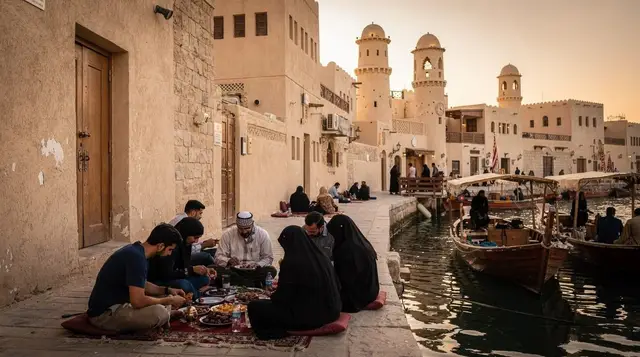
Several of Dubai’s dinner experiences operate as licensed venues in their own right, meaning alcohol is available as part of the experience rather than something you need to separately arrange. This Dubai Marina dhow dinner cruise operates under license, and La Perle by Dragone at Al Habtoor City similarly operates within a licensed hotel and entertainment complex — both examples of how Dubai’s evening entertainment scene folds licensed alcohol service into the experience itself rather than treating it as a separate stop.
Ramadan: what actually changes
During Ramadan, the holy month observing fasting from dawn to sunset, many licensed venues restrict alcohol service to after sunset (iftar) or pause it entirely for the month, and some clubs suspend their usual weekend programming. This is the single biggest seasonal shift in Dubai’s alcohol availability — a trip planned during Ramadan should factor in reduced hours at bars and restaurants that serve alcohol, and it’s worth checking a specific venue’s current Ramadan policy rather than assuming normal service. See the Ramadan guide for the fuller picture of how the month reshapes daily life, eating, and public behavior more broadly, not just alcohol.
What to tell a nervous first-time travel companion
If you’re traveling with someone anxious about alcohol laws abroad — a common concern before a first Gulf region trip — the reassuring, accurate summary is this: drink at your hotel bar or a licensed restaurant like you would anywhere else, skip the idea of a drink on the beach or a walk down the street with a bottle, and always take a taxi rather than drive after any alcohol. Framed that way, the rules read less like a list of restrictions and more like a slightly stricter version of ordinary, sensible travel behavior.
Cultural context: why the rules exist
The UAE’s alcohol framework reflects its position as a Muslim-majority country balancing Islamic legal tradition with a tourism and expatriate-heavy economy — the licensed-venue system is specifically designed to accommodate visitors and residents who drink while keeping consumption out of public, everyday life. Understanding this as a deliberate structural choice, rather than an arbitrary restriction, makes the rules easier to respect and follow without resentment, and most visitors find that once you know where the lines are, the system barely intrudes on an otherwise normal Dubai trip. See the Emirati culture and etiquette guide for the broader cultural framework this sits within.
Alcohol and Dubai’s dress code overlap
There’s a common-sense overlap between alcohol rules and Dubai’s broader dress and behavior norms worth understanding together rather than as separate topics: licensed venues that serve alcohol are also, generally, the same venues with the most relaxed dress expectations for evening wear, while the strictest modest-dress requirements apply in mosques, traditional souks, and government buildings, none of which serve alcohol at all. In other words, the environments where you’ll be drinking and the environments requiring the most conservative dress rarely overlap, which makes the practical planning simpler than it might sound on paper. See the dress code guide for the fuller picture on what to wear where.
Alcohol at restaurants versus hotel minibars
Restaurant alcohol licensing is genuinely inconsistent across Dubai — some standalone, non-hotel restaurants hold a full license, others don’t serve alcohol at all, and a small number operate a “bring your own” arrangement under specific conditions, which is unusual enough that it’s worth confirming directly with a restaurant rather than assuming. Hotel restaurants are far more reliably licensed, given that the hotel itself typically holds the license covering all its outlets. If a specific restaurant is a key part of your evening plan and alcohol matters to you, a quick check of their policy in advance avoids an unwelcome surprise at the table.
What enforcement actually looks like in practice
For the overwhelming majority of tourists who drink at licensed venues, behave normally in public, and don’t drive after drinking, alcohol rules in Dubai are close to invisible in daily practice — you won’t be asked for identification or a permit at a hotel bar, and the licensed system is designed to feel unremarkable to a visitor who simply wants a normal evening drink. Enforcement becomes visible specifically at the edges: public intoxication, drink-driving checkpoints, or attempting to bring in alcohol beyond the duty-free allowance. Staying inside the ordinary, licensed-venue version of a night out is genuinely as simple as it sounds, and the vast majority of visitors never encounter the enforcement side of these rules at all.
Alcohol rules for residents versus tourists
It’s worth knowing that some of the rules that get referenced online — personal liquor licenses, specific purchase quotas — historically applied to UAE residents buying alcohol for home consumption, a category tourists don’t fall into at all. Reforms over recent years have loosened several of these resident-specific requirements, but the distinction matters for understanding why online alcohol-law discussions sometimes sound more restrictive than what a tourist actually experiences: a tourist’s practical experience is simpler than a resident’s, since a tourist is only ever interacting with the licensed on-premise system rather than the retail purchase system built around resident licensing.
What changes if you’re driving a rental car
Visitors renting a car for a self-drive desert trip or a day trip to Abu Dhabi or the Northern Emirates need to take the zero-tolerance drink-driving rule especially seriously, since it applies identically to rental and personal vehicles, and rental car return or an accident involving any detectable alcohol complicates matters considerably beyond a standard driving offense. The safest practice for any day involving both driving and a licensed lunch or dinner is to designate a non-drinking driver for that day entirely, rather than assuming one drink at lunch has cleared your system by the time you’re back behind the wheel.
Practical takeaways for visitors
Drink at licensed venues (hotels, licensed restaurants and bars), never in public or on the street or open beach, never drive after any alcohol at all, and keep public behavior controlled once you leave a venue. Beyond those points, alcohol in Dubai works much like anywhere else — the licensed-venue system is broad enough, especially in the main hotel and tourist districts, that a visitor who wants to drink during their trip will find plenty of legal, comfortable options without any real friction. None of this requires special preparation beyond the basic awareness this guide covers, and it shouldn’t be a source of stress once you understand where the actual lines sit.
Alcohol at Global Village and family attractions
Family-oriented attractions and outdoor venues — Global Village, Miracle Garden, most theme parks — don’t serve alcohol at all, consistent with their positioning as family attractions rather than licensed entertainment venues. This is worth knowing if you’re planning a day that mixes a family attraction with an evening out afterward: the two experiences are cleanly separated in Dubai, with alcohol confined to specifically licensed hotel and entertainment venues rather than woven into the broader tourist attraction landscape the way it might be at a Western theme park with a beer garden.
Traveling onward to Abu Dhabi or the Northern Emirates
Alcohol rules are broadly similar across the UAE’s emirates — Abu Dhabi follows a comparable licensed-venue system to Dubai — but Sharjah, one of the Northern Emirates, is dry: alcohol is not sold or served anywhere in the emirate, a stricter policy than Dubai’s. If your Dubai trip includes a day trip to Sharjah or other Northern Emirates stops, it’s worth checking that specific emirate’s rules rather than assuming Dubai’s licensed-venue framework applies uniformly across the whole country.
Vaping, cannabis, and other substance rules
While this guide focuses on alcohol specifically, it’s worth a brief mention that the UAE’s rules on other substances are considerably stricter than alcohol’s licensed-venue framework — cannabis and most recreational drugs remain illegal with serious penalties, including for small quantities or substances legal at home, and this extends to prescription medications that are controlled substances in the UAE but freely available elsewhere. Anyone bringing prescription medication should check it against the UAE’s controlled substance list before travel, a genuinely separate and stricter topic from the alcohol rules covered in this guide.
See the safety guide for the broader legal landscape visitors should be aware of.
Frequently asked questions about Dubai’s alcohol rules
Is alcohol legal in Dubai?
Yes, but only at licensed venues — hotels, licensed restaurants, clubs, lounges. Public drinking and public intoxication are offenses.
Do tourists need a license to drink in Dubai?
No, tourists can drink at any licensed venue without a personal license. Personal licenses historically applied to residents buying retail alcohol.
Can you drink alcohol on Dubai’s beaches?
Not on the free public beaches — only at licensed hotel beach clubs and beachfront bars.
What happens if you drink and drive in Dubai?
Zero tolerance applies — any detectable alcohol while driving is illegal, with fines, license suspension, and potential detention as consequences.
Can you bring alcohol into Dubai from the airport?
Non-Muslim visitors get a limited duty-free allowance, commonly around 4 litres of wine or spirits, for personal use — confirm current limits before travel.
Does alcohol availability change during Ramadan?
Yes, many venues restrict service to after sunset or close for the month. Public consumption rules stay strict as always.
Top experiences
Bookable activities with verified prices and instant confirmation on GetYourGuide.