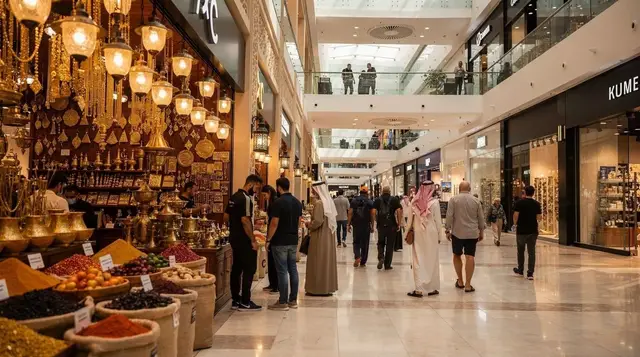
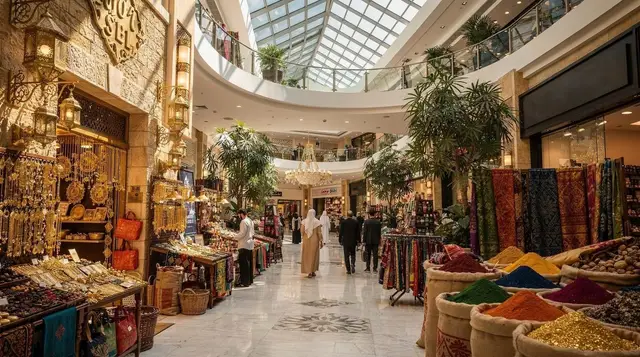
Souks or malls: where to shop in Dubai
Two shopping cultures, thirty minutes apart
Dubai runs two entirely different shopping economies side by side: centuries-old souk trading with fixed-then-negotiated prices, and some of the largest, most air-conditioned malls on the planet with fixed retail pricing and zero haggling expected. Both are worth experiencing, and picking between them for a specific afternoon comes down to what you actually want — an experience, or an errand.
| Where | Souks: Deira/Bur Dubai (Old Dubai); Malls: Downtown, Sheikh Zayed Road |
| Cost | Free to browse; gold/spices negotiable, mall retail fixed |
| Time needed | Half day for one, a full day to combine both |
| Getting there | Metro green line to souks; red line to Downtown malls |
| Best time | Souks: morning; malls: afternoon/evening |
Souks versus malls at a glance
| Souks | Malls | |
|---|---|---|
| Pricing | Negotiable | Fixed |
| Atmosphere | Working market, authentic | Air-conditioned, curated |
| Best for | Gold, spices, textiles, souvenirs | Brands, electronics, warranty items |
| Comfort in summer | Uncomfortable outdoors | Fully air-conditioned |
| Returns | Typically final sale | Standard consumer return policies |
| Peak hours | Morning (9am-noon) | Afternoon into evening |
What the souks actually offer
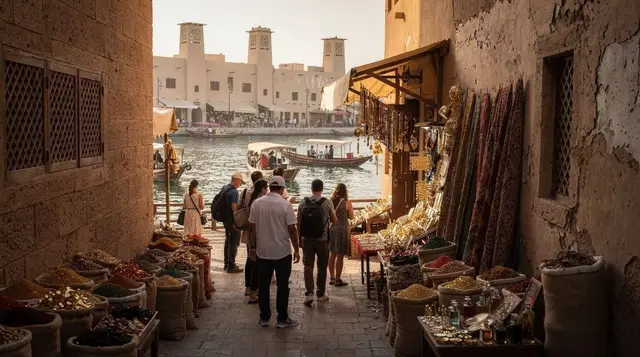
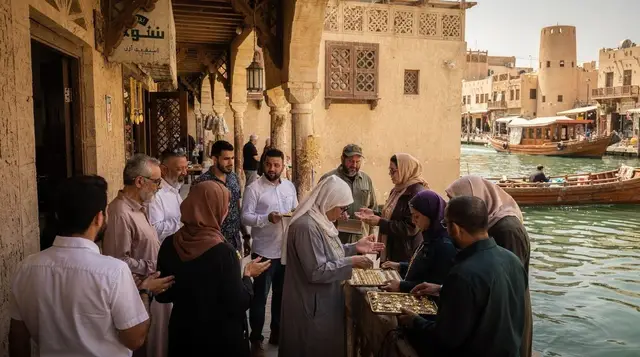
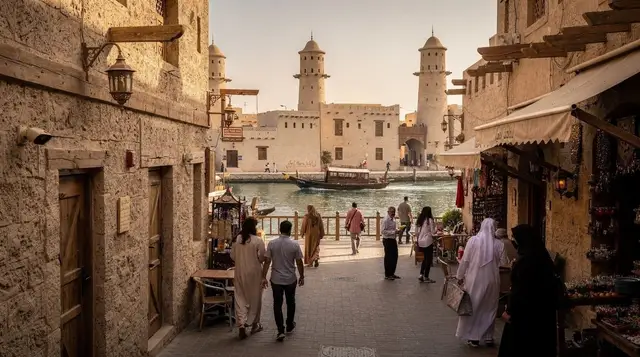
Dubai’s souks, concentrated in Old Dubai around Deira and Bur Dubai, are working markets that predate the modern city by decades. The Gold Souk is a genuine spectacle — window after window of gold jewelry, sold by weight plus a workmanship charge that’s negotiable, in a district that still functions as a real trading hub rather than a tourist reconstruction. The Spice Souk, a short walk away, deals in saffron, dried limes, incense, and spices sold loose by weight, with vendors who expect (and often enjoy) a bit of back-and-forth on price for larger purchases.
This guided Old Dubai souks and street food tour with an abra ride is a reasonable way to get oriented on a first visit, since navigating the souks’ informal layout and knowing which stalls are worth stopping at takes local knowledge a map alone doesn’t give you.
What the malls actually offer
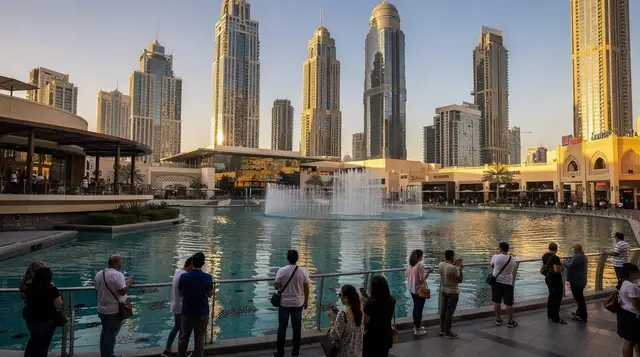
Dubai Mall, the largest mall in the world by total area, functions as a destination in its own right — an aquarium, an ice rink, hundreds of stores from international fast fashion to luxury flagships, and direct access to the Dubai Fountain and Burj Khalifa. It’s fixed-price retail with none of the negotiation culture of the souks, but it’s also air-conditioned, comprehensive, and predictable in a way the souks aren’t. The Dubai Mall versus Mall of the Emirates guide breaks down which mall suits which kind of shopping trip if you’re choosing between Dubai’s two flagship options.
Haggling: expected in one, pointless in the other
The single biggest cultural difference is negotiation. In the souks, especially for gold, textiles, and larger spice purchases, an initial asking price is a starting point rather than a fixed number, and a polite counter-offer is expected rather than rude. In the malls, prices are fixed exactly as marked, and attempting to negotiate at a mall retail counter will simply get you a confused look — this is fixed-price Western-style retail regardless of the mall’s location in the Gulf. Knowing which mode you’re in before you start a purchase avoids both overpaying in the souks and wasting time trying to haggle in a mall.
Authenticity versus air conditioning
The souks win decisively on atmosphere and authenticity — this is where actual trading happens, not a curated tourist recreation, and the sensory experience (the smell of the Spice Souk, the visual density of the Gold Souk’s window displays) is genuinely hard to replicate anywhere else in the city. Malls win decisively on comfort, especially June through September when outdoor souk browsing in the heat becomes genuinely unpleasant even in the partially covered sections. Neither wins outright; they’re suited to different moods and different months.
Inside the malls: attractions beyond retail
Dubai Mall specifically has drifted from pure retail into a broader attraction in its own right, and the aquarium and underwater zoo built into the mall’s ground floor is worth treating as a standalone stop rather than an afterthought. This Dubai aquarium and underwater zoo entry ticket covers the main tank walkthrough, and it’s one of the better indoor options for a hot afternoon regardless of whether you’re there to shop at all.
What to actually buy where
Gold, spices, textiles, and souvenirs with a story behind them belong in the souks — the souks shopping guide and the gold shopping guide have category-specific advice on what to buy and roughly what to expect to pay after negotiating. International brands, electronics, and anything requiring a fixed warranty or return policy belong in the malls, where consumer protection and standard retail practices apply in a way informal souk trading doesn’t always guarantee. The general Dubai shopping guide ties both worlds together with a broader city-wide view.
Crowds and timing: when each is at its best
The souks are most active and most pleasant in the morning, roughly 9am to noon, before the day’s heat peaks and before the evening crowds of both tourists and local shoppers build; by early evening the Gold Souk in particular gets considerably busier, which some visitors prefer for the atmosphere and others find overwhelming for actually browsing. Malls run the opposite pattern — quiet in the morning, building through the afternoon as people move indoors to escape the heat, and busiest in the evening when they double as a social destination for residents rather than just a shopping errand. If crowd avoidance matters more than atmosphere, souks in the early morning and malls on a weekday afternoon are both good bets.
Price transparency: a real difference worth knowing
Malls operate on fixed, marked pricing with standard UAE consumer protections, which means the price on the tag is the price you pay, refund and exchange policies are generally standardized, and there’s no risk of being quoted a “tourist price” versus a local one. The souks work differently — pricing is genuinely more fluid, and first-quoted prices to visibly tourist shoppers can run higher than what a fluent negotiator or a local shopper might pay. This isn’t a scam so much as how the market has always worked, but it does mean research beforehand — knowing roughly what gold, saffron, or a specific textile should cost — puts you in a stronger negotiating position than walking in blind.
A realistic combined half-day
Souks in the morning, before the heat builds and while the Gold and Spice Souks are at their most active, followed by lunch in Old Dubai, then an abra crossing over to Bur Dubai or a taxi to Downtown for a mall afternoon once the outdoor temperature climbs. It’s an easy contrast to build into a single day, and seeing both back to back does more to explain Dubai’s range than either alone.
Which one first-time visitors regret skipping
Ask returning visitors what they’d change about a first Dubai trip, and skipping the souks entirely in favor of an all-mall itinerary comes up more often than the reverse — the malls are impressive but broadly similar to large malls elsewhere in the world, while the souks are specific to this city and this region in a way nothing else on a standard itinerary replicates. That doesn’t mean skip the malls; Dubai Mall’s scale and the aquarium built into it are genuinely worth seeing. It’s a case for not letting the souks fall off the itinerary in favor of an extra mall visit, which is the more common mistake.
Getting between the two without wasting time
Old Dubai’s souks and Downtown’s malls sit roughly 20-25 minutes apart by taxi or Careem outside peak traffic, or a bit longer via Metro with a change, which makes a same-day combination genuinely practical rather than a stretch. Plan the souks for the cooler part of the day and the mall for the hotter stretch, and the transfer between them becomes a natural break rather than dead travel time.
Budgeting for each
Souk spending is genuinely open-ended — a small spice bag can cost a few AED, while a gold piece runs into the hundreds or low thousands depending on weight and workmanship, so set a rough target before you start browsing rather than negotiating without a reference point. Mall spending is easier to predict since prices are fixed and displayed, though Dubai Mall and other flagship malls skew toward international pricing rather than bargain retail — budget accordingly if you’re comparing against home-market prices rather than expecting Gulf discounts across the board.
If you only have one afternoon
Pick based on what you actually want from the stop, not a sense of obligation to do both. If it’s your only shopping window on the trip and you want something specific to Dubai rather than replicable at home, the souks win — the Gold Souk and Spice Souk are the more memorable stop. If you’re combining shopping with escaping the heat or want a broader attraction (aquarium, fountain views), Dubai Mall covers more ground in the same window.
Frequently asked questions about souks versus malls in Dubai
Is haggling expected at the Gold Souk?
Yes, particularly on the workmanship charge added to the gold’s weight-based price — a polite counter-offer is normal and expected, not rude.
Is Dubai Mall worth visiting if I’m not interested in shopping?
Yes — the aquarium, ice rink, and direct access to the Dubai Fountain and Burj Khalifa make it worth a stop as an attraction independent of retail.
Which is better for buying souvenirs, the souks or the malls?
The souks, generally — spices, textiles, and gold have more character and negotiating room than mall souvenir shops, which tend toward fixed-price mass-produced items.
Is it too hot to visit the souks in summer?
The Gold and Spice Souks have partially covered walkways, but a full outdoor souk browse in June through September heat is genuinely uncomfortable — malls are the better choice for that stretch of the year.
Can I return items bought in the souks?
Generally no, or only with difficulty — souk purchases are typically final sale, unlike mall retail, which follows standard consumer return policies.
Is the Gold Souk actually cheaper than buying gold jewelry elsewhere?
Prices are transparent and based on daily gold rates plus a negotiable workmanship charge, which can make it competitive, but it’s worth comparing against home-market prices before assuming it’s automatically a bargain.
Should first-time visitors prioritise the souks or the malls if time is limited?
The souks, generally — they’re specific to Dubai and the region, while the malls are impressive but broadly comparable to large malls in other major cities.
Is it rude to browse in the souks without buying anything?
No — browsing without purchasing is normal and expected in the souks, the same as it would be in any retail environment.
How much should I budget for a souk visit?
It varies widely — a spice purchase can cost a few AED while gold runs into the hundreds or low thousands depending on weight. Set a rough target before negotiating rather than deciding on the spot.
Can I combine both in one day without rushing?
Yes — souks and malls sit about 20-25 minutes apart by taxi, so a morning souk visit followed by an afternoon mall works comfortably as a single day without feeling rushed.