Dubai's most photographed spots, and how to actually get the shot
The shots everyone wants, and what it actually takes to get them
Dubai’s skyline photographs well almost by accident — glass towers, wide empty foregrounds, a desert light that turns gold at either end of the day. But most of the photos that circulate online skip the queueing, the timing, and the ticket cost behind them. This is a practical rundown of the city’s most photographed locations and what it genuinely takes to get the shot, not just the highlight reel.
| Best light | Golden hour (before sunset) and blue hour (20-30 min after) |
| Cost | Free (ground level) to ticketed (observation decks) |
| Busiest window | 11am-3pm outdoors — flat light, worst heat |
| Quietest window | Early morning (before 9am) and Friday mornings |
| Drones | Tightly restricted; permits required |
Burj Khalifa from ground level
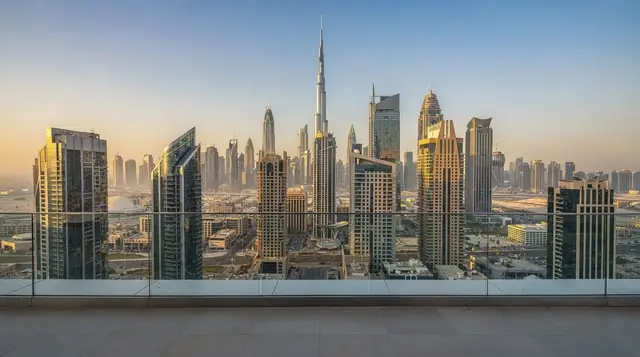
You don’t need a ticket for the most common Burj Khalifa shot — the tower reflected in the Dubai Fountain lake, or shot from the Souk Al Bahar bridge across the water, both free and accessible any time the Dubai Fountain area is open. The classic wide shot works best in the hour before sunset, when the light warms the glass facade and crowds haven’t yet built for the evening fountain shows. If you want the tower itself in frame from inside, At the Top on levels 124/125 gets you the interior observation deck views, though the outdoor deck’s mesh screening limits unobstructed shots more than people expect going in.
Burj Khalifa levels 124 and 125 tickets sell out in advance during sunset slots specifically, which are the most photographed and most requested time of day — book at least a few days ahead if sunset timing matters to your shot.
The Museum of the Future’s calligraphy facade
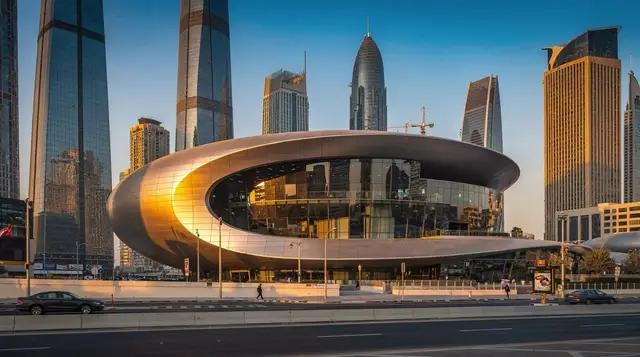
The Museum of the Future building itself, with its Arabic-calligraphy-etched steel exterior wrapped around an empty oval, is one of the most consistently photographed structures in the city regardless of whether you go inside. The exterior shot works any time of day, but the building lit at night against a dark sky is the version that circulates most — position yourself across Sheikh Zayed Road or from the pedestrian bridge for the cleanest angle. Interior shots require an actual ticket.
Museum of the Future admission is worth booking online in advance — walk-up queues run long, and the interior’s more photogenic sections (the DNA tower atrium in particular) get genuinely crowded by midday.
Palm Jumeirah’s aerial-style views
The classic “palm from above” shot that most visitors chase isn’t achievable from ground level at all — it requires either a helicopter, a hot air balloon, or The View at The Palm, an observation deck at roughly 240 meters on Palm Tower that gives a genuine elevated look down the fronds toward Atlantis. It’s the most accessible version of that shot for most budgets.
The View at The Palm observation deck tickets are worth timing for late afternoon into sunset, when the light across the fronds and the Gulf beyond is at its best and the deck itself is less crowded than midday.
For Palm Jumeirah at ground level, the Pointe boardwalk facing Atlantis and the Dubai Fountain-adjacent promenade give strong sunset shots without needing a ticket at all.
Old Dubai: souks, abras, and wind towers
Old Dubai offers a completely different visual register from the skyline shots — narrow lanes in Al Fahidi lined with wind-tower architecture, the stacked gold displays of the Gold Souk, and abra boat crossings on the Creek that make for genuinely atmospheric, unposed street photography. Early morning (before 9am) gives the best light and the fewest people in frame, particularly in Al Fahidi’s lanes, which fill with tour groups by mid-morning. The Dubai Creek abra crossing costs one dirham each way and gives a low-angle water-level shot of the Deira and Bur Dubai waterfronts that’s hard to replicate from land.
Miracle Garden and Global Village
Dubai Miracle Garden, open seasonally (roughly November through May, closing in the summer heat), is built almost entirely for photography — floral archways, an Emirates A380 replica covered in flowers, and structured walkways designed around sightlines. It gets genuinely crowded on weekends, so a weekday morning visit gives noticeably clearer shots without other visitors in frame. It sits well outside central Dubai with limited public transport access, so budget for a taxi or a bundled transfer rather than expecting an easy Metro connection.
Ain Dubai and the Marina skyline
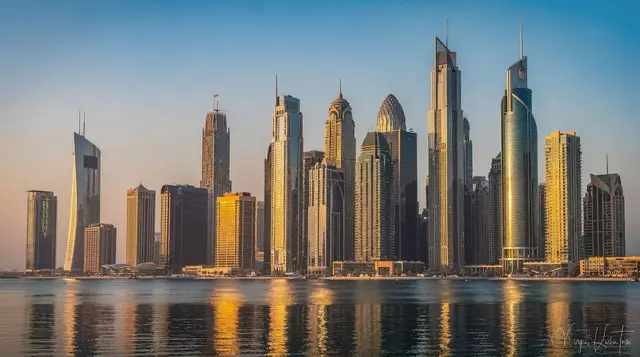
Ain Dubai, the giant observation wheel on Bluewaters Island, gives a genuinely different skyline angle over Dubai Marina and JBR than anything shot from ground level, and the wheel itself is a striking subject from the Bluewaters or JBR waterfront even without riding it. From ground level, the Marina Walk promenade at blue hour — the 20-30 minutes after sunset when the sky still holds color and building lights have come on — is one of the most reliable shots in the city, and it costs nothing beyond the walk itself.
Dubai Frame
Dubai Frame, the giant picture-frame-shaped structure in Zabeel Park, is itself a heavily photographed subject from ground level, and the building’s design deliberately frames old Dubai on one side and new Dubai’s skyline on the other from its elevated walkway. The exterior shot from the park below works well any time of day, while the interior glass-floor walkway shot requires an entry ticket.
Dubai Frame entry tickets include access to the glass-floor bridge connecting the two towers, which is the specific vantage point most of the circulating interior shots come from, roughly 150 meters above the park.
The Marina and JBR at golden hour
Beyond the blue-hour Marina Walk shot already mentioned, the stretch of beach at JBR facing back toward the Marina towers gives a genuinely strong golden-hour composition — sand and water in the foreground, dense skyline behind, without needing to pay for any elevated vantage point. This spot works particularly well in winter (November-March) when the lower sun angle and clearer air produce sharper, more saturated shots than the haze that can settle over the skyline in summer months.
Desert shots beyond the city
A sunset or sunrise desert shot — dunes, camel silhouettes, or a 4x4 mid-dune-bash — is a completely different visual register from anything the city itself offers, and most desert safari operators build in a dedicated photo stop at the dune crest specifically for this shot as the sun sets. It’s worth mentioning to your guide if a good photo stop matters to you, since not every itinerary stops in the same location, and the best light window is short.
Practical timing across the board
Dubai’s light works in two windows: golden hour in the hour before sunset, and blue hour in the 20-30 minutes after. Between roughly 11am and 3pm, especially outdoors, the light goes flat and harsh and the heat (brutal from June through September) makes extended outdoor shooting genuinely unpleasant. Friday mornings tend to be quietest at most outdoor locations given the shifted weekend, while Thursday and Friday evenings draw the largest crowds to Marina Walk and the Fountain area.
See Dubai’s best viewpoints and the dedicated skyline photo spots guide for a longer list beyond this roundup, and consider a private photography tour if you want a guide who already knows the exact angles and current construction obstructions that change month to month.
What to skip
A handful of “must-photograph” spots that circulate online are genuinely not worth the effort relative to what they deliver: certain hotel lobby atriums require a restaurant reservation just to enter, and several rooftop bar view shots require a minimum spend that makes a five-minute photo stop expensive. If a location requires booking a table specifically for the photo, it’s usually a sign the shot isn’t worth the cost unless you’d enjoy the meal or drink on its own terms anyway.
Editing and gear notes that actually matter
Most of the shots on this list read best with minimal editing — Dubai’s light is already strong at golden and blue hour, and heavy processing tends to flatten the same glass and water reflections that make the shots work in the first place. A polarizing filter helps cut glare off glass towers and water at midday if you’re shooting outside the ideal windows; beyond that, a wide-angle lens attachment for smartphones is the single most useful piece of extra gear for skyline and Museum of the Future shots specifically.
A comparison: paid vantage points by cost-to-view ratio
| Vantage point | Ticket needed | Best for |
|---|---|---|
| Dubai Fountain promenade | No | Burj Khalifa reflection shot |
| Souk Al Bahar bridge | No | Same, slightly different angle |
| At the Top (Burj Khalifa 124/125) | Yes | Downtown from height |
| The View at The Palm | Yes | Palm fronds and Atlantis |
| Dubai Frame skybridge | Yes | Old vs new Dubai in one frame |
| Ain Dubai (Bluewaters) | Optional (photogenic from ground too) | Marina/JBR skyline angle |
Weekday and seasonal timing that changes the shot
Winter (November-March) gives sharper, more saturated shots thanks to clearer air and a lower sun angle, while summer haze can noticeably soften skyline shots taken from a distance. Weekday mornings, especially Friday given the shifted weekend, are consistently the quietest window at outdoor locations; Thursday and Friday evenings draw Dubai’s biggest crowds to the Marina Walk and the Fountain area, worth avoiding if an empty foreground matters to the shot.
Frequently asked questions about Dubai’s photo spots
What is the most photographed spot in Dubai?
The Burj Khalifa reflected in the Dubai Fountain lake, shot from the Souk Al Bahar promenade at sunset, is likely the single most reproduced image of the city, and it costs nothing to shoot.
Do I need a professional camera for good Dubai photos?
No — most of the shots described here work well with a modern smartphone, particularly in good light (golden or blue hour). A wider lens or lens attachment helps with skyline shots specifically.
When is the best time of day to photograph Dubai?
The hour before sunset and the 20-30 minutes after (golden and blue hour) give the most reliable light. Midday, especially in summer, is flat, harsh, and uncomfortably hot for extended outdoor shooting.
Can you fly a drone in Dubai for photos?
Drone use is tightly restricted in Dubai and requires official permits; flying without one risks confiscation and fines. Most visitors should not plan on drone photography without pre-arranged permission.
Is the Palm Jumeirah aerial shot achievable without a helicopter?
Not the full aerial-from-above version, but The View at The Palm observation deck gives a genuine elevated angle down the fronds at a fraction of a helicopter’s cost.
Is Old Dubai worth visiting just for photos?
Yes — the wind-tower architecture, souks, and Creek abra crossings offer a visual register found nowhere else in the city, and none of it requires an entry ticket beyond the one-dirham abra fare.
Does the season affect how Dubai photos turn out?
Yes — winter (November-March) gives clearer air and sharper, more saturated shots, while summer haze can noticeably soften skyline shots taken from a distance.
Is a polarizing filter worth bringing for Dubai photography?
It helps cut glare off glass towers and water if you’re shooting outside golden or blue hour, though it’s not essential if you’re already timing shots for the best light windows.