Liwa — the edge of the Empty Quarter
Liwa guide: the Empty Quarter, Moreeb Dune and Qasr Al Sarab — why this remote desert region needs a self-drive or resort plan, not a day tour.
Quick facts
- Distance from Dubai
- ~2.5–3 hours by car
- What it is
- The UAE's edge of the Rub al Khali (Empty Quarter), the world's largest sand desert
- Moreeb Dune
- One of the world's tallest dunes, ~300m, site of an annual dune-bashing festival
- Best for
- Serious desert landscapes, self-drive trips, a resort-based desert escape
- Access
- No day tours from Dubai; self-drive 4x4 or a resort stay is the realistic option
What the Liwa desert actually is
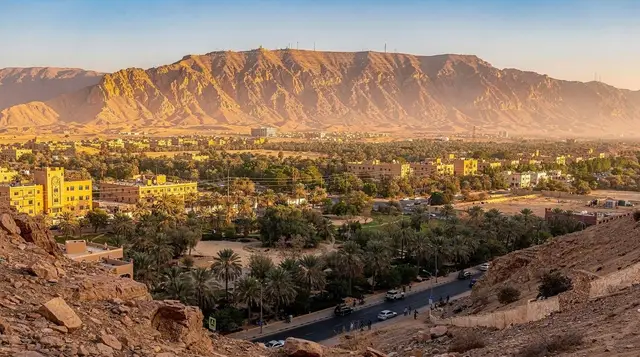
Liwa is a crescent-shaped string of oasis settlements along the northern edge of the Rub al Khali — the Empty Quarter — the largest continuous sand desert on earth, stretching across Saudi Arabia, Oman, Yemen, and the UAE. It sits roughly 2.5–3 hours from Dubai, well beyond the standard desert-safari radius that covers Dubai’s own desert reserve, and it offers something genuinely different from a city-based evening safari: towering, wind-sculpted dunes that run far larger and more dramatic than anything within reach of Dubai proper. This is the ancestral heartland of the UAE’s ruling Al Nahyan family, and the region carries real historical weight beyond its scenery.
Unlike Dubai’s desert safari circuit, Liwa is genuinely remote, and it’s worth being upfront that this isn’t a bolt-on afternoon excursion — reaching it, seeing it properly, and getting back involves either a serious self-drive commitment or a dedicated resort stay, not a quick tour booking.
The Empty Quarter (Rub al Khali)
The Rub al Khali covers roughly a quarter of the Arabian Peninsula, and the section accessible from Liwa gives visitors a genuine taste of its scale: dunes stretching to the horizon in every direction, star dunes reaching heights that dwarf anything in a typical Dubai safari zone, and a silence and emptiness that’s difficult to convey without experiencing it directly. British explorer Wilfred Thesiger’s famous 20th-century crossings of the Empty Quarter began and ended in this general region, and Al Jahili Fort in Al Ain houses a permanent exhibition on his expeditions if you’re combining both destinations on a longer UAE trip.
Moreeb Dune
Liwa’s single most famous landmark is Moreeb Dune, one of the tallest sand dunes in the world at roughly 300 meters, with a steep enough incline that it’s become the centerpiece of an annual dune-bashing and off-road festival drawing competitors and spectators from across the region. Outside festival dates, it’s a legitimate, if serious, off-roading challenge for experienced 4x4 drivers, and a striking photography subject even for visitors who’d rather admire it from the base than attempt the climb.
Qasr Al Sarab and where to stay
The region’s best-known accommodation is Qasr Al Sarab, a luxury desert resort built directly into the dune landscape roughly an hour from the Liwa oasis towns, designed to resemble a fortified desert palace and offering guided dune activities, camel treks, and stargazing sessions run through the resort itself rather than external tour operators. It’s the realistic way most travelers experience Liwa comfortably — as a 2–3 night resort stay with organized desert activities included, rather than a self-planned day trip. Smaller hotels exist in the Liwa town itself for a more modest budget, though options are limited compared to Dubai or Abu Dhabi’s hotel density.
Liwa’s history and the Liwa Date Festival
Liwa holds particular significance as the ancestral home of the Al Nahyan and Al Bu Falah tribal confederation, the family that has ruled Abu Dhabi and, since the UAE’s 1971 founding, held the country’s federal presidency. Long before oil wealth transformed the coastal cities, Liwa’s oasis settlements supported a subsistence economy built around date palm cultivation, camel herding, and seasonal pearl diving expeditions to the coast — a genuinely different historical picture from the fishing-village origins of Dubai or Abu Dhabi’s own coastal settlements.
That agricultural heritage is still celebrated today through the Liwa Date Festival, typically held in July during the date harvest, featuring competitions for the best dates, traditional handicraft displays, and cultural performances. It’s a genuinely local event rather than a tourist production, and while July’s heat makes it a demanding time to visit, it offers a rare window into the region’s agricultural traditions for travelers willing to brave the temperatures.
Landscape and wildlife around Liwa
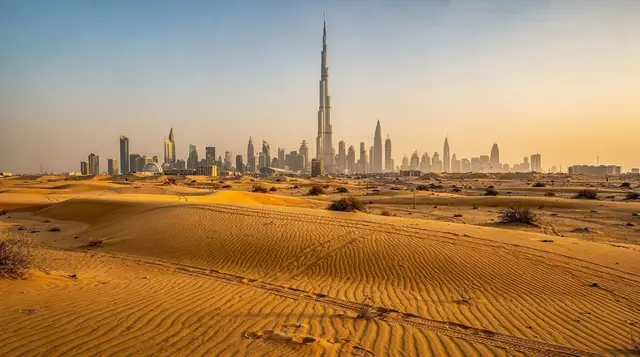
The dune formations around Liwa are noticeably different from Dubai’s desert reserve — larger star and crescent dunes shaped by shifting wind patterns, in shades ranging from pale gold to a deeper reddish-orange depending on the mineral content and the light. Vegetation is sparser than the scrub-dotted landscape closer to Dubai, giving Liwa a starker, more classically “Sahara-like” appearance that photographers and landscape enthusiasts specifically travel for.
Wildlife here adapts to genuinely harsh conditions: Arabian oryx and gazelle populations exist in protected pockets of the wider region (some in dedicated reserves rather than roaming freely near Liwa itself), alongside smaller desert species like sand foxes, various reptiles, and migratory bird populations that pass through the oasis’s date groves seasonally. It’s a quieter, more subtle wildlife-watching experience than Sir Bani Yas Island’s dedicated wildlife park, but genuinely interesting for anyone curious about how life persists at the edge of one of the world’s most extreme desert environments.
Photography and stargazing
Liwa’s remoteness, which makes it inconvenient for a quick visit, is precisely what makes it exceptional for photography and stargazing. Light pollution here is minimal compared with anywhere near Dubai or central Abu Dhabi, and clear desert skies through the cooler months offer genuinely striking stargazing, with the Milky Way visible to the naked eye on moonless nights — something essentially impossible to see from any of Dubai’s coastal districts. Resorts like Qasr Al Sarab run organized stargazing sessions with telescopes and guides who can point out constellations and explain their significance in traditional Bedouin desert navigation.
For photography, sunrise and sunset are, unsurprisingly, the standout windows, when low-angle light rakes across the dune ridges and brings out contours and shadow patterns invisible at midday. Serious photographers should budget at least one full sunrise and one full sunset session during a Liwa stay, ideally on different dune formations to capture the range of textures and colors the region offers.
Getting there: the self-drive reality
There is no meaningful day-tour infrastructure running from Dubai to Liwa — the distance and the specialized nature of Empty Quarter driving mean this isn’t served by the same operators running standard desert safaris. Realistically, visiting Liwa means one of two things: booking a stay at Qasr Al Sarab or a similar resort that arranges transfers and activities directly, or self-driving with a proper 4x4 (a standard sedan rental is not adequate for anything beyond the paved approach roads).
See the Dubai car rental guide for rental options suited to desert driving, and the Liwa and Empty Quarter guide for route planning and fuel-stop logistics on the drive itself, since services thin out noticeably once you’re past Al Ain or the main Abu Dhabi–Liwa highway. The desert safari scams and honest planning guide is also worth reading before booking any desert experience in the region, Liwa included, since inflated claims about “exclusive Empty Quarter access” circulate among operators who are, in practice, still operating within Dubai’s much smaller desert reserve.
Honest take: is Liwa worth the trip?
For most Dubai visitors on a standard 4–7 day trip, no — a standard Dubai desert safari delivers dune scenery, a Bedouin-style camp experience, and camel riding within a 45-minute drive of the city, and it covers what the vast majority of travelers actually want from a desert experience.
Liwa is worth the extra distance and planning specifically for travelers who want to see genuine Empty Quarter scale, who are comfortable with or interested in serious off-road driving, or who are booking a dedicated luxury desert-resort stay as a standalone leg of a longer UAE trip — see the Dubai luxury itinerary for how a Liwa resort stay might fit alongside Dubai and Abu Dhabi legs on a longer, higher-budget trip. If your goal is simply “see a big sand dune and ride a camel,” the standard Dubai desert safari circuit accomplishes that with far less time and logistics investment.
Comparing a Liwa resort stay to a Dubai desert safari
It’s worth laying the two options side by side plainly, since travelers often confuse them. A standard Dubai desert safari is a half-day-to-evening package — dune bashing in a 4x4, camel riding, a Bedouin-style camp with dinner and entertainment — run within roughly 45 minutes of the city, bookable the same week you travel, and priced for mass-market tourism. It delivers a genuine desert taste efficiently and reliably.
A Liwa stay is a different category of trip entirely: a multi-night resort booking, 2.5–3 hours from Dubai, built around guided dune activities, stargazing, and the genuine scale of Empty Quarter landscape, priced at a luxury-resort level rather than a day-tour level. Neither is objectively superior — the Dubai safari suits nearly every traveler’s schedule and budget, while Liwa suits travelers specifically seeking a slower, more immersive, and more remote desert experience as a dedicated part of their trip, not an add-on afternoon. If you’re unsure which fits your trip, ask whether you want “a desert experience within your Dubai days” (choose the standard safari) or “a dedicated desert destination in its own right” (choose Liwa).
Practical notes for a Liwa visit
Fuel up before leaving Al Ain or the main highway junctions, since services genuinely thin out on the approach to Liwa, and carry extra water regardless of season given the remoteness. Summer heat here runs hotter and drier than the coastal cities, making November–March travel considerably more comfortable and, frankly, safer for any off-road activity. If self-driving into dune areas beyond paved roads, never go alone — recovery services are far more limited than in Dubai’s well-serviced desert conservation reserve, and getting stuck in genuine Empty Quarter sand is a different proposition than a guided safari’s controlled dune-bashing circuit.
Combining Liwa with the rest of a UAE trip
Given the distance and the different pace involved, Liwa works best as a dedicated leg of a longer, multi-stop UAE itinerary rather than a rushed add-on to a standard Dubai trip. A sensible structure for travelers with 8–10 days or more might run: several days in Dubai covering the city sights and a standard desert safari, a day or two in Abu Dhabi for the Grand Mosque and Louvre, then a 2–3 night Liwa resort stay to close out the trip with a genuinely different pace and landscape before flying home. Routing through Al Ain on the drive between Abu Dhabi and Liwa is also worth considering, since it breaks up the drive and adds the oasis and Jebel Hafeet without a significant detour.
For shorter trips, Liwa is honestly easier to skip in favor of maximizing time in Dubai and Abu Dhabi, both of which deliver more sights per day invested for a first-time UAE visitor. Save Liwa for a return trip, or for travelers specifically drawn to desert landscapes and willing to prioritize it over ticking off more conventional sightseeing.
Liwa by season
Liwa’s inland location makes the seasonal swing more extreme than anywhere on the coast, and it’s worth planning around it rather than assuming Dubai’s shoulder-season comfort applies here too.
| Months | Conditions | Verdict |
|---|---|---|
| Dec–Feb | Cool days, cold nights (a jacket matters after sunset) | Best window — comfortable dune walks, clear stargazing |
| Nov, Mar | Warm days, mild nights | Very good, slightly less crowded at Qasr Al Sarab |
| Apr, Oct | Hot by midday, still workable mornings/evenings | Doable if activities are scheduled around the heat |
| May–Sep | Extreme daytime heat, often hotter than coastal Dubai | Avoid outdoor dune time; resort pools/indoor only |
| Jul | Liwa Date Festival (extreme heat, but genuinely local) | Only for travelers specifically chasing the festival |
Food and where to eat in Liwa
Dining options are sparse by design — this is a resort-and-oasis region, not a restaurant district. Qasr Al Sarab’s own restaurants (including a fine-dining option and a more casual all-day venue) cover most resort guests’ meals, with prices reflecting the property’s luxury positioning rather than regional norms. In the Liwa town cluster itself, a handful of simple Emirati and South Asian cafes serve the local workforce and date-farm community, offering a cheap, low-key alternative to resort dining for anyone self-driving through rather than staying at Qasr Al Sarab. Bring snacks and water regardless of where you’re staying, since options genuinely thin out along the approach roads, and the nearest supermarket-level shopping is back in Al Ain or the outskirts of Abu Dhabi city.
Frequently asked questions about Liwa
Can I visit Liwa on a day trip from Dubai?
It’s technically possible given the 2.5–3 hour drive each way, but it makes for an extremely long day with little time to actually experience the dunes properly. A resort stay or at minimum an overnight is the more realistic way to see Liwa.
Are there organized tours from Dubai to Liwa?
Not in the same way as standard Dubai desert safaris — Liwa is outside the typical tour radius, and most visitors reach it either via a self-drive trip or by booking directly with a resort like Qasr Al Sarab that arranges its own transfers and activities.
Do I need a 4x4 to visit Liwa?
For anything beyond the paved approach roads, yes. A standard rental sedan can reach the main towns, but exploring the dunes themselves requires a proper 4x4, ideally with some off-road experience or a guided excursion.
How is Liwa different from a standard Dubai desert safari?
Scale, mainly — Liwa sits at the edge of the Rub al Khali, the world’s largest sand desert, with dunes considerably larger than Dubai’s own desert conservation reserve, but at the cost of a much longer, more logistically involved trip.
What is Qasr Al Sarab?
A luxury desert resort built into the Liwa dune landscape, roughly an hour from the main Liwa towns, offering guided desert activities and transfers directly through the property.
Is Moreeb Dune safe to climb or drive?
It’s a serious, steep dune that draws experienced off-roaders for an annual festival; casual visitors should treat it as a photography subject rather than an amateur driving challenge, given the genuine risk of rollovers on the steepest faces.
Is Liwa worth visiting compared to a standard desert safari?
For most travelers with limited time, a standard Dubai desert safari covers the core experience more efficiently. Liwa is worth the extra effort specifically for genuine Empty Quarter scale, serious off-roaders, or a dedicated luxury resort stay.
What’s the best time of year to visit Liwa?
November through March, when temperatures are far more manageable for both driving and any outdoor dune activity — summer heat in this inland desert region is more extreme than in coastal Dubai or Abu Dhabi.
What is the Liwa Date Festival?
An annual local event, typically held in July during the date harvest, featuring competitions for the best dates, traditional handicrafts, and cultural performances. It’s a genuine community festival rather than a tourism-oriented production.
Why is Liwa historically significant?
It’s the ancestral home of the Al Nahyan family, which has ruled Abu Dhabi and held the UAE’s federal presidency since the country’s 1971 founding, making it a region of real historical and political importance beyond its desert scenery.
Is Liwa suitable for a family trip?
It can be, particularly a resort stay like Qasr Al Sarab with organized activities, but the remoteness and the more serious nature of dune-based activities make it better suited to families with older children than very young kids.
What should I pack for a Liwa desert trip?
Layered clothing for cool desert nights and mornings, sun protection for daytime activities, sturdy closed shoes for any dune walking, and a proper 4x4 if self-driving off the paved approach roads rather than staying resort-based throughout.
How many nights should I spend in Liwa?
At least 2 nights is worth the effort of getting there — enough time for a sunset and a sunrise dune session plus a stargazing evening, without the trip feeling like it was mostly consumed by driving.
Is mobile phone signal reliable in Liwa?
Coverage exists across the main towns and resort areas, though it can weaken or drop out entirely deeper into the dune fields, which is worth planning around if you’re relying on navigation apps for any independent driving beyond the resort’s arranged activities.
Can I do a day trip to Liwa from Abu Dhabi instead of Dubai?
Yes, and it shaves roughly an hour off the drive compared with starting from Dubai, though it’s still a long single day given the distance — a resort stay remains the more comfortable option regardless of which city you’re starting from.
Are there fuel stations along the route to Liwa?
Yes at the main highway junctions and larger towns en route, but they thin out noticeably on the final stretch toward the resort areas, so topping up before the last major town is the safer habit rather than assuming another station is close by.
Can I combine Liwa with Sir Bani Yas Island on the same trip?
Yes, though it takes planning — both sit in western Abu Dhabi and require their own dedicated access (self-drive or resort transfer for Liwa, a ferry from Jebel Dhanna for Sir Bani Yas), so most travelers treat them as separate legs of a longer western-region itinerary rather than a single combined day.
Is there anywhere to eat outside the Qasr Al Sarab resort?
A small number of simple Emirati and South Asian cafes serve the Liwa town area at prices well below resort dining, though selection is limited — most visitors either eat at their resort or pack food for the drive given how sparse independent options are this far from Abu Dhabi city.