Visiting Dubai during Ramadan: what actually changes
Ramadan changes the rhythm of the city, not the tourist infrastructure
Visiting Dubai during Ramadan — the Islamic holy month of fasting from dawn to sunset, which shifts roughly 10-11 days earlier each year on the Gregorian calendar — is a genuinely different experience from visiting at any other time, but not in the way some visitors fear. Attractions stay open, tourists aren’t expected to fast, and nothing about the trip becomes impossible. What changes is timing, daytime public dining, and a general public tone that’s worth understanding and respecting rather than working around. The full Dubai Ramadan guide covers the detailed logistics; this piece is about the honest lived experience of being a visitor during it.
| What doesn’t change | Attractions stay open; tourists aren’t expected to fast |
| What changes | Daytime public eating/drinking, attraction hours, street energy |
| Best daytime activity | Indoor, air-conditioned (museums, malls, observation decks) |
| Don’t miss | Hotel iftar buffet at sunset |
| Watch out for | Eid al-Fitr right after — tourism spikes sharply |
What changes versus what stays the same
| Aspect | During Ramadan | Rest of the year |
|---|---|---|
| Public daytime eating/drinking | Avoid in public; dine indoors/screened | Normal anywhere |
| Attraction hours | Later opening, later closing after iftar | Standard daytime hours |
| Alcohol service | Continues in licensed venues, some limits | Standard licensed hours |
| Malls and souks | Peak activity shifts to evening | Daytime and evening both busy |
| Tourist crowds/prices | Generally quieter, better rates | Standard seasonal pricing |
| Eid al-Fitr (right after) | Sharp spike in regional tourism | N/A |
Public eating and drinking during the day
The single biggest practical change: eating, drinking, or smoking in public during daylight hours is against local etiquette and, in some cases, law during Ramadan, even for non-Muslims and even for something as small as a bottle of water on the street. This doesn’t mean you can’t eat — hotels operate discreet daytime dining (often behind screened partitions), and most restaurants inside malls and hotels serve throughout the day for tourists, just without the storefront visibility they’d normally have. The rule is really about public visibility, not about denying visitors food; plan to eat indoors, in a hotel, or in a designated dining area rather than snacking openly on the street.
Iftar: the best part of visiting during Ramadan
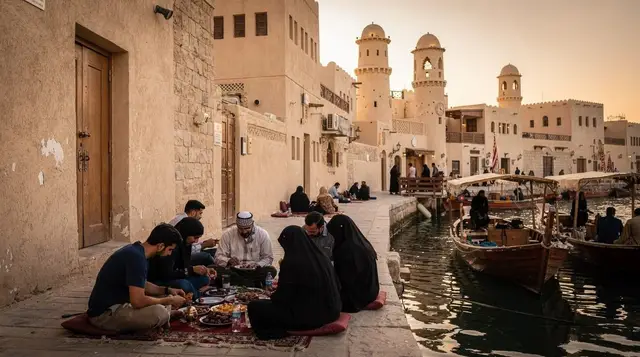
Iftar, the sunset meal breaking the day’s fast, is where Ramadan genuinely becomes a highlight rather than a constraint for visitors. Hotels across the city run elaborate iftar buffets — often their best value dining of the year — and the atmosphere at sunset, as the call to prayer sounds and the city visibly exhales into a shared meal, is one of the more culturally rich experiences available to a visitor in Dubai at any time of year. Booking an iftar at a well-regarded hotel is genuinely worth prioritizing if your trip overlaps with Ramadan; see the Dubai food guide for hotel and restaurant recommendations that run particularly strong Ramadan programming.
Attraction hours shift
Most major attractions — Museum of the Future, Burj Khalifa, malls — adjust their hours during Ramadan, typically opening later in the morning and running later into the evening after iftar, when the city genuinely comes back to life. Malls in particular see their busiest hours shift to post-sunset, with some staying open past midnight. Check specific attraction hours for the Ramadan period before planning your day, since the daytime schedule you’d expect at any other time of year doesn’t reliably apply.
Museum of the Future admission is a good daytime option during Ramadan specifically — an indoor, air-conditioned attraction that doesn’t depend on the street-level activity that’s quieter during fasting hours.
Alcohol during Ramadan
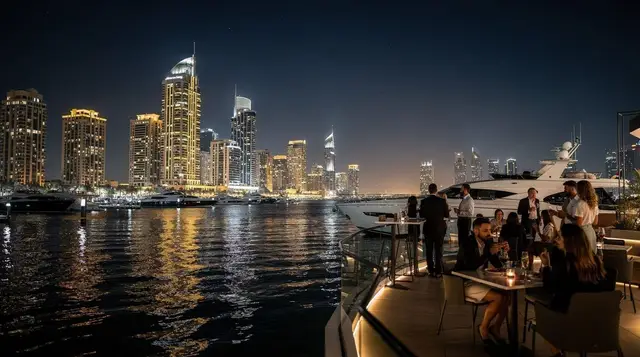
Alcohol service continues in licensed hotels and venues throughout Ramadan, though some venues reduce hours, pause live music, or restrict service to indoor, screened areas rather than open terraces during the month. This varies by hotel and venue, so if a specific bar or restaurant matters to your plans, it’s worth checking directly whether their normal Ramadan-adjusted policy affects it. See the Dubai alcohol rules guide for the year-round baseline these Ramadan adjustments sit on top of.
Dress and public conduct
Standard modest-dress expectations (shoulders and knees covered in public and in malls) apply year-round in Dubai, but the general tone during Ramadan skews more conservative — louder public behavior, public displays of affection, and playing music loudly in public spaces are worth toning down further than usual out of respect for the month, even though enforcement doesn’t meaningfully change. The dress code guide and Emirati culture and etiquette guide cover this in more depth, and both are worth a read before a Ramadan-period trip specifically.
Business and transport hours
Government offices and some businesses run shortened hours during Ramadan, and this can occasionally affect visa services, transport ticketing offices, or tour operator booking desks — build in extra buffer time for any errand involving a government or administrative office. Public transport itself (Metro, buses, taxis) continues running normally, though schedules may shift slightly to accommodate the pre-iftar rush as people head home ahead of sunset.
Is it a good time to visit for tours and attractions
Genuinely, yes, with caveats. Daytime outdoor activities (desert safaris scheduled for midday, for instance) are less common during Ramadan since they clash with fasting hours and heat; most desert safari operators shift toward the standard evening format anyway, which works well with iftar timing. Global Village, if it’s open during your Ramadan dates (its season runs roughly October through April, so overlap depends on the year), runs special Ramadan programming with its own festive evening atmosphere. Indoor, non-food-dependent attractions — museums, observation decks, malls — function normally throughout the day with adjusted hours.
A Sheikh Zayed Mosque day trip from Dubai is a particularly well-timed activity during Ramadan — the mosque remains open to visitors, and seeing it during the month carries extra resonance given its religious significance, though modest dress requirements (already standard at the mosque) are worth double-checking given the heightened context.
Prices and crowds
Ramadan (outside of the Eid holidays that bookend it) is generally a lower-tourist-traffic period for Dubai, which can mean better hotel rates and thinner crowds at daytime attractions, offset by the shifted daytime rhythm and reduced daytime street dining. Eid al-Fitr, the multi-day holiday immediately following Ramadan, sees a sharp spike in domestic and regional tourism and should be planned around separately if you’re trying to time a quieter visit specifically.
Ramadan greetings and small etiquette wins
A small amount of cultural awareness goes a long way during Ramadan. “Ramadan Kareem” or “Ramadan Mubarak” are the standard greetings exchanged throughout the month, and using either with hotel staff, drivers, or shopkeepers is genuinely appreciated and costs nothing. Avoid scheduling loud group activities or celebrations that spill into public view during daylight hours, and be patient with slightly slower service in the mid-to-late afternoon, when fasting staff are naturally lower-energy in the hours before iftar — this is a normal, expected part of the month rather than a service failure.
Shopping during Ramadan
Malls and souks stay open throughout Ramadan with shifted hours, and the shopping guide and souks guide both note that evening shopping, after iftar, is when malls see their genuine peak activity during the month — a different rhythm from the rest of the year, when daytime shopping is more typical. This also means daytime souk browsing can feel quieter and more relaxed than usual, a reasonable trade-off if you don’t mind fewer open stalls at certain hours.
The honest bottom line
Visiting Dubai during Ramadan isn’t a compromise — for a visitor genuinely interested in cultural context rather than just beach-and-mall time, it can be one of the more rewarding times to go, provided you adjust expectations around daytime public dining, plan indoor activities for the afternoon heat and quieter streets, and prioritize an iftar experience as a highlight rather than an inconvenience.
Suhoor: the pre-dawn meal, if you’re curious
Suhoor, the meal eaten before dawn to sustain the day’s fast, is less visible to visitors than iftar simply because of the hour, but several restaurants and hotels run suhoor tents and late-night menus that stay open into the very early morning specifically for this purpose. It’s a genuinely different, quieter cultural experience than the festive iftar buffet, and worth considering if your own schedule (jet lag, a late flight) already has you up at that hour.
Planning desert and outdoor activities around Ramadan
Desert safaris don’t disappear during Ramadan, but the timing shifts to work with the fast rather than around a typical tourist schedule. Evening safaris that return to camp for a post-sunset meal integrate naturally with iftar timing, effectively combining the two — some operators build the camp dinner around the exact iftar moment specifically for Ramadan bookings. Daytime desert activities, already less common due to heat most of the year, are essentially absent during the month, since dune bashing and camel stops under a midday sun clash directly with fasting hours. If a desert experience is a priority for a Ramadan-period trip, book an evening format explicitly and confirm with the operator that the itinerary accounts for iftar timing.
Traveling with kids during Ramadan
Children aren’t expected to fast, and family-oriented attractions — Museum of the Future, malls, indoor water parks — operate close to normally throughout the day, just with adjusted hours. The main adjustment for families is meal planning: pack snacks or plan meals inside hotels and malls rather than assuming street-level food options will be visible or open during daylight hours the way they are the rest of the year. Evenings, once iftar begins, actually open up more family activity than a typical day, since malls and Global Village (if in season) run later and busier after sunset.
Frequently asked questions about visiting Dubai during Ramadan
Do tourists have to fast during Ramadan in Dubai?
No, tourists and non-Muslims aren’t expected to fast. The requirement is to avoid eating, drinking, or smoking in public during daylight hours, out of respect rather than a personal fasting obligation.
Are restaurants open during the day in Dubai during Ramadan?
Many are, particularly in hotels and malls, though dining areas are often screened or set back from public view rather than operating with normal street-level visibility during daylight hours.
Is alcohol available in Dubai during Ramadan?
Yes, in licensed hotels and venues, though some reduce hours or move service to enclosed indoor areas rather than open terraces during the month.
Are Dubai attractions open during Ramadan?
Yes, though hours typically shift later in both the morning and evening, with many attractions and malls staying open later into the night after iftar.
Is Ramadan a good time to visit Dubai for lower prices?
Often yes, outside of the Eid al-Fitr holiday period that follows Ramadan, when tourism (particularly regional and domestic) spikes sharply.
What is iftar and should tourists experience it?
Iftar is the sunset meal breaking the day’s fast. Hotel iftar buffets are widely considered one of the best cultural and dining experiences available to visitors during Ramadan, and are genuinely worth booking.