Dubai coffee shops and cafes: where the specialty scene lives
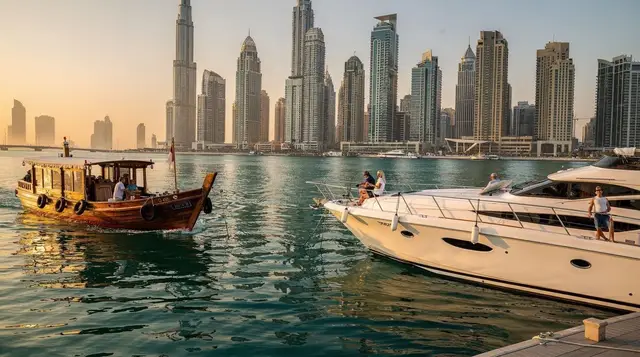
Dubai: old town, Creek, abra boat & souks guided walking tour
Where is the best coffee in Dubai?
City Walk, Al Wasl, and parts of the Marina host the densest cluster of independent specialty coffee shops, including international names like %Arabica alongside strong homegrown roasters. For traditional Arabic coffee (gahwa), the Coffee Museum in Al Fahidi and Al Fanar's restaurants are the most reliable dedicated sources.
Two coffee cultures, side by side
Dubai’s coffee scene runs on two parallel tracks that rarely overlap: a centuries-old Arabic coffee (gahwa) tradition rooted in hospitality and ritual, and a genuinely strong contemporary specialty coffee scene built by independent roasters over the past decade. Neither has displaced the other — karak chai stalls remain as busy as ever, and City Walk’s flat white shops draw a steady crowd of their own — and following both threads across a single trip is one of the more interesting, underrated things to do with a free afternoon in the city.
| Specialty coffee area | City Walk, Al Wasl, parts of the Marina |
| Gahwa (Arabic coffee) | Coffee Museum (Al Fahidi), Al Fanar |
| Specialty coffee cost | Around AED 18-28 (5-8 USD) |
| Karak chai cost | Around AED 2-4 (0.50-1 USD) |
| Best paired with | Old Dubai walking, City Walk stroll |
Gahwa: coffee as hospitality, not just caffeine
Traditional Arabic coffee — pale, lightly roasted, spiced with cardamom and sometimes saffron or cloves — is served in small handleless cups, traditionally poured by a host as a gesture of welcome, alongside a small plate of dates. It’s customary to accept at least one cup when offered and to gently shake the empty cup to signal you’ve had enough, a small piece of etiquette worth knowing before a cultural meal or a visit to a heritage venue. The Coffee Museum in Al Fahidi is dedicated entirely to this tradition’s history, preparation methods and equipment, including the dallah pot still used for ceremonial service today.
Where to actually try gahwa properly
Beyond the Coffee Museum, Al Fanar Restaurant & Cafe, with branches including Al Seef, serves gahwa as part of its broader Emirati dining experience, and the SMCCU cultural meal sessions in Al Fahidi include it as a central part of the hospitality format, with an Emirati host explaining the ritual directly rather than simply serving it without context. Both are more reliable, and more educational, than expecting to stumble onto genuine gahwa at a random cafe, since it’s not typically sold by the cup the way specialty coffee is.
City Walk and Al Wasl: the specialty coffee core
City Walk and the surrounding Al Wasl area host the densest concentration of independent specialty coffee shops in Dubai, including international names like %Arabica alongside a genuine cluster of homegrown roasters that have built real reputations over the past several years rather than simply importing a global brand’s aesthetic. This is the area to head to for a proper flat white, pour-over or single-origin espresso rather than a generic hotel or mall coffee counter, and it rewards a slow, walkable coffee crawl rather than a single rushed stop.
This Old Dubai Creek, abra and souks walking tour pairs well with a gahwa stop in the historic district, a useful complement to a separate specialty coffee crawl elsewhere in the city.
The Marina and JBR coffee scene
Dubai Marina and JBR host their own cluster of independent and small-chain cafes, generally leaning slightly more toward a resort-casual, waterfront-seating format than City Walk’s more design-forward specialty shops, but still delivering genuinely good coffee rather than purely trading on the view. It’s a convenient option if you’re staying in the area and don’t want to cross the city purely for a coffee stop.
Old Dubai: gahwa and karak within walking distance of each other
Old Dubai is the one district where both coffee cultures genuinely coexist within a short walk — traditional gahwa at heritage venues near Al Fahidi, karak stalls scattered through the souks, and a scattering of newer specialty cafes that have opened in the area’s more restored buildings in recent years. It’s worth treating as a single combined coffee stop rather than choosing one tradition over the other, since the contrast between them is more interesting seen back to back than experienced separately across different parts of the city.
Downtown and DIFC: coffee as part of a business and tourist mix
Downtown Dubai and DIFC host a coffee scene shaped by their dual role as both a major tourist zone and a genuine business district — expect a mix of international chains catering to the tourist volume around the Burj Khalifa and Dubai Mall, alongside a handful of more serious specialty cafes catering to DIFC’s office workers during the week. Prices here run slightly above the citywide average given the real estate costs in both areas, though quality at the better independent spots holds up regardless.
Roastery visits and where coffee is actually roasted
A number of Dubai’s independent coffee brands roast their own beans locally rather than importing pre-roasted stock, and a handful open their roasting facilities to visitors for a closer look at the process — worth seeking out specifically if you’re interested in coffee beyond just drinking it, since this level of behind-the-scenes access is less common in cities where the specialty scene leans more heavily on imported beans and franchised formats.
Karak chai: still the everyday default for most residents
Despite the specialty scene’s growth, karak chai — strong, sweet, cardamom-spiced tea sold from roadside stalls for AED 2-4 (0.50-1 USD) — remains the actual everyday caffeine habit for a much larger share of Dubai’s population than flat whites or pour-overs, concentrated in Al Rigga, Karama and Satwa. It’s worth trying specifically because it represents the city’s more populous, less internationally marketed drink culture, covered in more depth in the street food guide.
International chains versus independent roasters
International chains are present throughout Dubai as you’d expect in any major global city, but they don’t dominate the specialty scene the way they might elsewhere — independent, homegrown roasters have built a genuine following in City Walk, Al Wasl and beyond, competing directly on quality rather than simply filling gaps between international brands. Seeking out an independent roaster over a familiar international name, when both are equally convenient, tends to produce a more interesting and more locally distinctive coffee experience.
Coffee and breakfast pairings
Many of Dubai’s specialty cafes double as genuinely good breakfast and brunch spots outside the formal hotel Friday brunch scene, serving avocado toast, shakshuka and similar internationally familiar cafe breakfast fare alongside their coffee program — a useful, less expensive alternative to a hotel breakfast buffet, covered in the wider food guide, particularly on days when a full sit-down breakfast doesn’t fit the schedule.
Vegan and dietary-friendly coffee culture
Oat and almond milk alternatives are standard at nearly every independent specialty cafe in Dubai, and increasingly available even at larger international chains, reflecting the same broader plant-based trend covered in the vegetarian and vegan guide. Traditional gahwa, notably, doesn’t involve dairy at all in its standard preparation, making it naturally compatible with vegan diners without any substitution needed.
Working from a cafe: wifi and laptop culture
Many of Dubai’s specialty cafes, particularly in City Walk and Al Wasl, are genuinely comfortable spaces for working on a laptop for an hour or two, with reliable wifi and a tolerant attitude toward guests lingering over a single order — a useful option for remote workers or anyone needing a quiet, air-conditioned base between sightseeing stops, especially during the punishing summer heat when an outdoor plan isn’t realistic.
Seasonal comfort: coffee terraces in winter versus summer
Outdoor cafe seating, genuinely pleasant from November through March, becomes largely unusable for anything but a few minutes during June through September, when daytime temperatures regularly exceed 40°C — most cafes with strong outdoor seating in winter shift entirely to indoor, air-conditioned seating for summer. Checking a specific cafe’s summer setup before counting on the terrace seating shown in winter photos avoids a disappointing visit during the hotter months.
Dubai coffee culture versus other Gulf cities
Dubai’s specialty coffee scene is generally regarded as the most developed in the Gulf, ahead of Abu Dhabi, Doha and Riyadh, largely a function of Dubai’s longer history as an international hub attracting both global coffee brands and independent entrepreneurs willing to open a specialty roastery. Visitors arriving from elsewhere in the region will likely find Dubai’s scene noticeably more mature and varied, while the traditional gahwa side of the equation is broadly comparable across the wider Gulf given its shared cultural roots.
Cafes inside Dubai Mall and the big shopping centers
Beyond the standalone specialty scene, Dubai Mall, Mall of the Emirates and similar large malls house their own cluster of cafes ranging from international chains to a handful of genuinely good independent kiosks, generally priced close to the citywide specialty average despite the mall setting. These are a practical stop between shopping and sightseeing rather than a destination in their own right, useful on a day built around the Dubai Mall guide’s attractions when crossing town to City Walk isn’t worth the detour purely for coffee.
A City Walk cafe-hopping route, stop by stop
A focused City Walk coffee crawl works well as a loop rather than a single stop: start with a flat white at one of the area’s homegrown roasters mid-morning, walk the pedestrian boulevard past its murals and public art, stop at a second, different-style cafe for a pour-over closer to midday, and finish with a takeaway bag of beans from whichever roaster impressed you most. The whole loop covers less than a kilometer of walking and rarely takes more than two hours including seated time, making it an easy half-morning addition to a day that also includes Jumeirah or a Downtown stop later on.
Coffee at hotel breakfasts versus independent cafes
Hotel breakfast buffets typically serve competent but unremarkable coffee — filter coffee or a basic espresso machine designed for volume rather than quality — and stepping out to a nearby independent specialty cafe for a proper flat white or pour-over is a genuine upgrade worth the short walk, particularly for guests staying multiple nights who might otherwise settle for the buffet default out of convenience. This is a small but meaningful way to improve a hotel stay’s daily routine without any real added cost.
Tipping and payment norms at cafes
Tipping at independent specialty cafes isn’t strictly required but is increasingly common for table service, typically rounding up the bill or leaving a small amount in a visible tip jar at the counter for a takeaway order. Cards and contactless payment are accepted almost everywhere at this tier, including the smaller independent roasters, unlike some of the cash-reliant cheap-eats stalls elsewhere in the city — a genuinely convenient difference if you’re moving between a coffee stop and other cash-based errands the same day. Traditional gahwa service at a cultural venue or restaurant generally doesn’t involve a separate tip for the coffee itself, since it’s typically included as part of a broader meal or cultural session price.
Coffee subscription culture and takeaway beans
Several of Dubai’s specialty roasters sell takeaway bags of their own roasted beans, and it’s a genuinely good, lightweight souvenir option for coffee enthusiasts — considerably more interesting and specific to the trip than a generic branded souvenir, and light enough to pack easily compared to some of the city’s bulkier gift shop offerings. Asking a cafe directly about their own roasted beans, rather than assuming a generic supermarket bag is the only option, is worth the extra few minutes if bringing coffee home matters to you.
Late-night cafes and 24-hour coffee culture
A number of cafes across Dubai, particularly in busier areas like the Marina and JBR, operate late into the night or around the clock, reflecting the city’s broader late-night social culture and a resident population that often works shifted or irregular hours. This is a genuinely useful option after a late dinner cruise, brunch, or a night out when a proper coffee, rather than a hotel room kettle, is what you actually want before heading to bed.
Cafes as a break from the heat
Beyond their coffee, cafes across the city function as one of the more reliable and pleasant ways to escape the heat during the peak summer months (June-September), offering reliable air conditioning and a reason to linger longer than a five-minute mall walkthrough would justify. Building a few dedicated cafe stops into a summer itinerary, purely as a heat-management strategy, is a genuinely practical piece of trip planning rather than an indulgence.
A coffee-focused day, if you want one
A genuinely enjoyable coffee-themed day in Dubai might run: a specialty flat white and breakfast in City Walk or Al Wasl mid-morning, an afternoon visit to the Coffee Museum in Al Fahidi for the traditional side of the story, and a karak chai stop in nearby Old Dubai to round it out — three genuinely different coffee cultures within a single, walkable historic district plus one design-forward neighborhood, covering more ground than a standard sightseeing day usually allows for a single beverage category. The 3-day itinerary has room to build a morning or afternoon around this.
Cafes as a social and business meeting spot
Beyond casual coffee drinking, cafes across Dubai function as a genuine default venue for informal business meetings and social catch-ups, reflecting a broader Gulf business culture where a coffee meeting often substitutes for a more formal office sit-down. This is worth knowing mainly as texture on how the city actually uses its cafes day to day — many of the busiest specialty cafes in DIFC and Downtown fill up during standard office hours with meetings rather than solo laptop workers or tourists.
Dates and sweets alongside coffee
Traditional gahwa service pairs almost exclusively with dates, but Dubai’s specialty cafe scene has broadened the pairing considerably, with many independent shops offering their own baked goods, from standard Western pastries to Middle Eastern-influenced options like date-and-tahini cookies or cardamom-spiced cakes that nod toward the traditional flavor profile without being a direct copy of it. This crossover baking trend is one of the more interesting small details of how the city’s two coffee cultures occasionally borrow from each other despite mostly running on separate tracks.
Coffee prices relative to the rest of the city
At AED 18-28 (5-8 USD) for a specialty coffee, Dubai’s cafe pricing sits roughly in line with other major global cities’ specialty scenes — London, New York or Singapore — rather than reflecting a discount purely because of the wider region’s lower cost of living in some categories. This is worth factoring into a daily budget if multiple cafe stops are part of your planned routine, since the cost adds up faster than the relatively low price of karak chai might lead you to expect if you’re mixing both into a single day.
Cafes as a pairing for a Dubai itinerary
Fitting a coffee stop into a longer day works best treated as a deliberate break rather than an afterthought squeezed between two attractions — a City Walk cafe stop pairs naturally with a morning at the Museum of the Future or an afternoon at Jumeirah’s beaches, while an Old Dubai gahwa stop slots easily into a half-day covering the souks and Creek. Visitors following one of the multi-day itineraries can generally find at least one natural window per day for a dedicated coffee stop without disrupting the rest of the plan.
Finding a cafe when you’re not near City Walk
If your itinerary doesn’t naturally pass through City Walk, Al Wasl or Old Dubai on a given day, most neighborhoods across the city have at least one solid independent or small-chain cafe within easy reach, even if the concentration and variety don’t match the dedicated specialty clusters — a quick search on a mapping app for “specialty coffee” rather than just “cafe” tends to surface the better independent options over generic mall coffee counters in an unfamiliar area.
Frequently asked questions about Dubai coffee shops and cafes
What is gahwa and where can I try it?
Traditional Arabic coffee, pale and cardamom-spiced, served with dates. The Coffee Museum in Al Fahidi and Al Fanar are the most reliable places to try it properly.
Does Dubai have a genuine specialty coffee scene?
Yes — a real third-wave scene built by independent roasters, concentrated in City Walk, Al Wasl and parts of the Marina.
How much does coffee cost in Dubai?
A specialty flat white runs AED 18-28 (5-8 USD). Karak chai costs AED 2-4 (0.50-1 USD).
Is karak chai the same as coffee?
No — it’s tea, brewed strong with condensed milk and cardamom, a separate and equally important part of the drink culture.
Are there vegan milk options at Dubai cafes?
Yes, oat and almond milk are standard at most independent cafes, and traditional gahwa contains no dairy at all.
Is a coffee-focused day worth planning?
Yes, particularly pairing City Walk’s specialty scene with a traditional gahwa stop in Old Dubai for a genuine contrast in coffee cultures.
Can I take Dubai coffee beans home as a souvenir?
Yes — several independent roasters sell their own roasted bags, a lightweight and distinctive souvenir option worth asking about directly at the counter.
A closing note on why this scene is worth the detour
Coffee is an easy category to skip on a first Dubai trip focused on the skyline and headline attractions, but it’s one of the more accessible ways to see two genuinely different sides of the city in a single afternoon — a centuries-old hospitality ritual and a contemporary, internationally competitive specialty scene, both distinctly Dubai in their own way. Neither requires a significant time commitment or a major detour from a standard itinerary, which makes it one of the easier additions to an already packed trip, and one of the more reliably enjoyable ones regardless of how the rest of the day’s plans hold up.
Even a single deliberate stop at each end of that spectrum is enough to leave a Dubai trip with a genuinely richer sense of the city’s food culture than the skyline alone ever could.
Top experiences
Bookable activities with verified prices and instant confirmation on GetYourGuide.