Dubai museums guide: Al Shindagha, Etihad, Coffee Museum, and Museum of the Future
Dubai: Museum of the Future admission ticket
Duration: 1.5 hours
Which Dubai museum is actually worth paying for?
Museum of the Future is the one museum in Dubai worth a significant ticket price (around $46), delivering a genuinely striking building and immersive exhibits on future technology and sustainability. Dubai's smaller heritage museums — Al Shindagha, Etihad, and the Coffee Museum — charge little or nothing and are worth an hour each if you're already spending time in Old Dubai, but none individually justifies a dedicated half-day trip on their own merits.
Dubai’s museums, honestly categorized
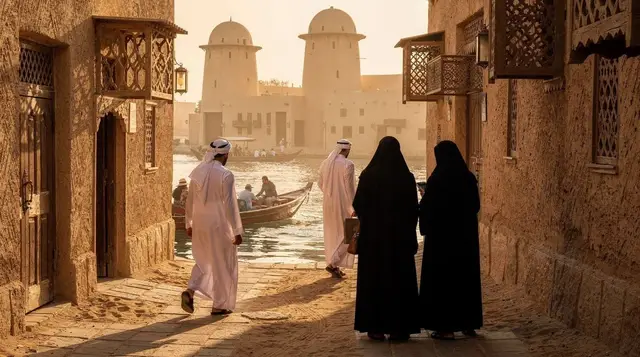
Dubai’s museum scene splits cleanly into two very different categories, and conflating them leads to mismatched expectations. On one side sit the small, historically grounded heritage museums — Al Shindagha, the Coffee Museum, and (when open) Dubai Museum at Al Fahidi Fort — covering the city’s pre-oil pearling and trading past, charging little or nothing, and best experienced as add-ons to an Old Dubai walk rather than standalone destinations. On the other side sits Museum of the Future, a modern, heavily produced, ticketed attraction about tomorrow rather than yesterday, priced and positioned closer to Burj Khalifa or Dubai Frame than to a traditional museum.
This guide covers both categories with realistic pricing and honest recommendations on which deserve your time.
| Heritage museums | AED 25-50 each (7-14 USD); Old Dubai/Deira |
| Museum of the Future | ~$46 (AED 169); Downtown/Sheikh Zayed Rd |
| Time needed | 20-40 min per heritage museum; 1.5 hrs for Future |
| Getting there | Green Line (heritage); Financial Centre Metro (Future) |
| Booking | Walk-up fine for heritage; advance online for Future |
Al Shindagha Museum
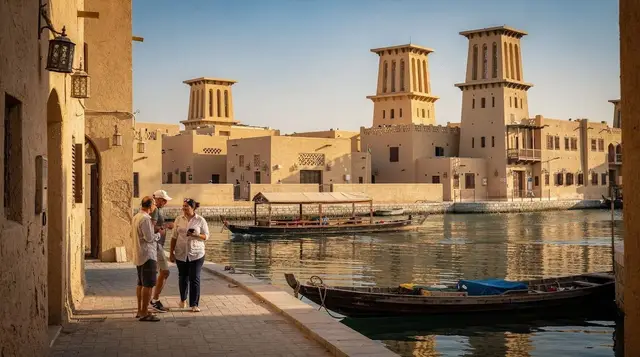
Al Shindagha Museum, on the Creek waterfront in the historic Shindagha district near Old Dubai, is the largest and most comprehensive of Dubai’s heritage museums — a multi-pavilion complex spread across restored historic houses and purpose-built galleries, covering pearl diving, traditional boat-building, Bedouin desert life, and the personal history of Dubai’s ruling Al Maktoum family. It’s considerably more developed than the smaller Coffee Museum or the long-closed Dubai Museum, with well-produced exhibits (including a strong pearling section covering the industry that sustained Dubai’s economy before oil) that reward an hour to 90 minutes rather than a quick pass-through.
Entry is modest by Dubai attraction standards, typically in the range of AED 25-50 (7-14 USD) depending on which pavilions are included.
The Coffee Museum
A short walk from Al Fahidi’s main lanes, the Coffee Museum occupies a traditional courtyard house and covers the history, cultivation, and preparation of Arabic coffee (qahwa) — the cardamom-spiced, unsweetened coffee central to Emirati hospitality. It’s a genuinely small museum, taking 20-30 minutes to see properly, and its modest entry fee typically includes a cup of traditional coffee served on-site, which does more to convey the cultural significance of the ritual than the exhibits alone. It’s a natural, low-effort add-on to an Al Fahidi visit rather than a destination in its own right.
Etihad Museum
Etihad Museum, near Jumeirah on the site where the UAE’s founding leaders signed the union agreement in 1971, covers a different chapter of Dubai’s history from the pre-oil pearling story told at Al Shindagha — specifically, the formation of the United Arab Emirates as a unified nation from seven previously separate emirates. Housed in a distinctive building shaped like an unfurled parchment scroll (a deliberate reference to the founding document itself), it uses multimedia exhibits, original documents, and personal artifacts from the union’s founding figures to walk through the political process of unification.
It’s a more overtly patriotic, nation-building narrative than the heritage museums’ focus on daily pre-oil life, and it rewards visitors specifically interested in modern UAE political history — 45-60 minutes is enough for a thorough visit, and entry runs modestly, typically AED 25-40 (7-11 USD).
Dubai Museum at Al Fahidi Fort: check before planning around it
Dubai Museum, housed in Al Fahidi Fort — the city’s oldest surviving building — has historically covered similar pre-oil history to Al Shindagha on a smaller, older-feeling scale. It has faced extended renovation closures in recent years, with reopening timelines that have shifted repeatedly, so its current operating status should be verified directly through official Dubai tourism channels before building a visit around it specifically, rather than assuming an older travel guide’s information still holds.
Museum of the Future: what it actually is
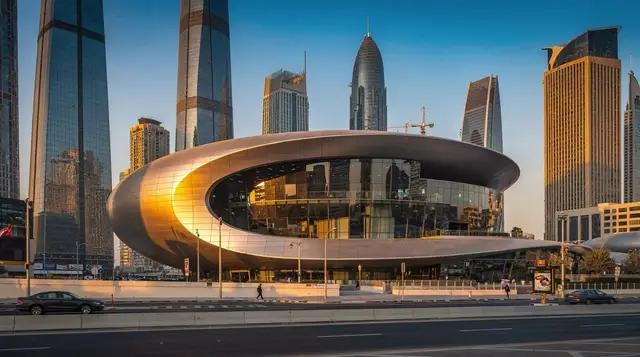
Museum of the Future, on Sheikh Zayed Road near Downtown Dubai, is one of Dubai’s most architecturally striking recent buildings — a torus-shaped structure clad in stainless steel with Arabic calligraphy cut into its facade — housing immersive, heavily designed exhibits imagining future technology, space exploration, health, and sustainability rather than historical artifacts. It’s a fundamentally different kind of museum from the heritage sites above: less about preserving the past, more about a curated, sometimes speculative vision of the future, delivered through large-scale installations, video, and interactive elements rather than glass display cases.
This Museum of the Future admission ticket runs around $46 for standard entry, with the visit taking roughly 1.5 hours to see properly.
Inside Museum of the Future: what the floors actually cover
The museum spreads its content across several themed floors, moving from a simulated space station and orbital habitat concept, through exhibits on future health and biotechnology, to a floor focused on ecosystems and environmental restoration technology, and a dedicated, genuinely engaging children’s floor built around creative problem-solving activities. The building’s design itself — the torus shape, the calligraphy-cut facade that floods interior spaces with natural light in patterns that shift through the day — is arguably as much a highlight as any individual exhibit, and it’s worth allowing time to appreciate the architecture rather than moving straight from exhibit to exhibit.
Is Museum of the Future worth the price?
For most first-time visitors, yes, with a caveat: it delivers a genuinely impressive, well-produced experience and one of the most photographed buildings in the city, but it isn’t a traditional museum in the artifact-and-history sense, and visitors expecting that will likely find it thin on substance relative to the ticket price. It suits people curious about design, technology, and speculative futures considerably better than history-focused museum-goers. Reviews and visitor sentiment have been consistently strong since it opened, with the building itself frequently cited as reason enough to visit even by those less impressed by individual exhibits.
The full Museum of the Future guide covers the exhibits floor by floor in more depth than fits here.
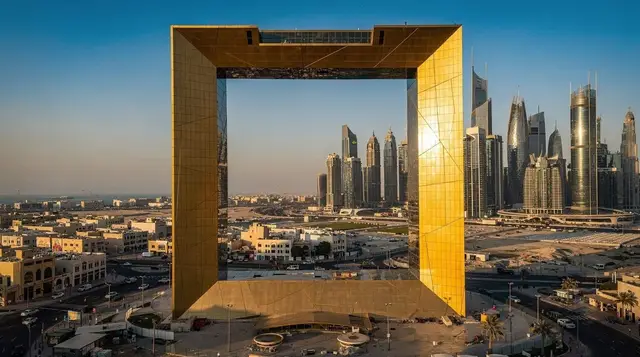
This combined Museum of the Future, Burj Al Arab, and Dubai Frame tour bundles the museum with two other landmark stops, a reasonable way to consolidate several ticketed attractions into a single day if that’s how your itinerary is structured.
Comparing the heritage museums to Museum of the Future directly
The honest comparison isn’t really “which is better” — they’re answering different questions. Al Shindagha and the Coffee Museum ask what Dubai was; Museum of the Future asks what it imagines becoming. Visitors interested in genuine historical context, particularly after walking Old Dubai and seeing the wind-tower architecture firsthand, get real value from the heritage museums as a next step. Visitors more interested in Dubai’s contemporary ambition and design culture — the same instinct that draws people to Burj Khalifa or Ain Dubai — will find Museum of the Future the more satisfying pairing with that theme.
An honest criticism worth knowing
Some visitors, particularly those coming from cities with major world-class art or history museums, find Museum of the Future thinner on genuine depth than the ticket price and hype suggest — a handful of exhibits can feel more like a polished corporate showcase than a rigorous exploration of the future topics they cover. This criticism has some validity: it’s a single, relatively compact building rather than an encyclopedic collection, and the experience leans more toward atmosphere and design than deep technical or scientific content.
Whether that matters to you depends on expectations set going in — as a striking, well-designed 90-minute experience, it delivers; as a substitute for a major science or history museum’s depth, it doesn’t try to be one.
Realistic budgeting across Dubai’s museums
Heritage museums together (Al Shindagha, Coffee Museum, and Dubai Museum if open) cost relatively little — combined entry across all three, where available, typically runs under AED 100 (27 USD) per person. Museum of the Future alone costs roughly $46 (AED 169), more than all the heritage museums combined, reflecting its category as a modern ticketed attraction rather than a traditional low-cost museum. Budgeting for both categories in the same trip is reasonable; budgeting for every heritage museum plus Museum of the Future in a single day is not, given the geographic distance between Old Dubai and Downtown and the time each site genuinely deserves.
Timing and combining visits
The heritage museums cluster geographically around Old Dubai and the Creek, making them natural additions to the Old Dubai walking route — most visitors fold one or two heritage museum stops into that broader half-day rather than visiting them as a separate trip. Museum of the Future sits apart geographically, near Downtown, and works better paired with a Downtown day covering Burj Khalifa and Dubai Mall than tacked onto an Old Dubai itinerary.
Getting to each museum
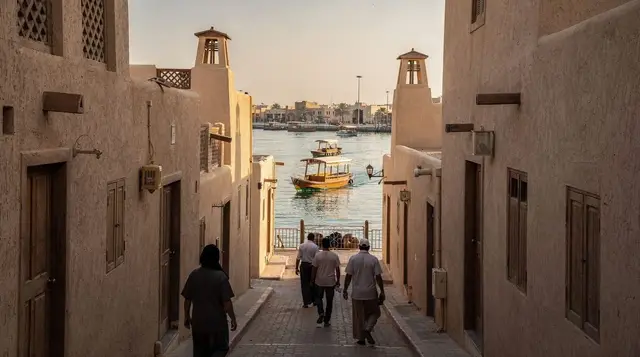
Al Shindagha and the Coffee Museum sit within the Old Dubai waterfront area, reachable via the Green Line’s Al Ghubaiba or Al Ras stations, or as a natural extension of a walk that also covers Al Fahidi and the souks across the Creek. Etihad Museum sits near Jumeirah, most practically reached by taxi or Careem (15-25 minutes from Downtown or Old Dubai) given its distance from the nearest Metro line. Museum of the Future is directly served by its own dedicated stop area near the Financial Centre Metro station on the Red Line, making it one of the more transit-convenient major attractions in the city.
Fitting museums into a multi-day itinerary
On a 3-day Dubai itinerary or longer, a reasonable pattern is folding one or two heritage museums into an Old Dubai day, and treating Museum of the Future as its own half-day paired with Downtown sightseeing on a separate day. On a tighter first-timer itinerary, most visitors prioritize Museum of the Future over the heritage museums given its shorter list of must-see landmarks status, saving the heritage museums for a return trip or a slower-paced visit with more days to spare.
Crowds and booking
Museum of the Future draws consistently high demand, and advance online booking for a specific time slot is strongly recommended over hoping for same-day walk-up availability, particularly during peak season (November-March) and school holiday periods. The heritage museums are far less crowded — walk-up entry is normal and rarely involves any wait, a genuine point in their favor if a spontaneous, low-hassle museum stop is what you want on a given day.
Combining a museum stop with nearby dining
Both Al Shindagha and Etihad Museum sit near areas with reasonable food options nearby — the Old Dubai waterfront near Al Shindagha has casual local eateries within a short walk, while Etihad Museum’s Jumeirah-area location puts it near a wider range of dining from casual to upscale. Museum of the Future’s Downtown-adjacent location makes it easy to pair with a meal at Dubai Mall either before or after a visit, given the mall’s enormous range of dining options within a short taxi ride.
Accessibility across the museums
Museum of the Future, being a modern purpose-built structure, is fully accessible with elevators and level pathways throughout. The heritage museums, housed partly in restored historic buildings, vary more — Al Shindagha’s newer purpose-built pavilions are generally accessible, while some of its restored historic house sections and the Coffee Museum’s traditional building layout include steps and narrower doorways less suited to wheelchair users, consistent with their genuine historic (rather than newly constructed) nature.
Visiting with kids
Museum of the Future’s sensory, interactive exhibits generally hold children’s attention more effectively than the heritage museums’ more text-and-artifact-focused displays, though Al Shindagha’s larger, more varied pavilions — including exhibits on pearl diving, traditional boats, and Bedouin desert life — engage kids reasonably well too, particularly with some parental narration filling in context. The Coffee Museum is the least naturally kid-focused of the group, given its narrower, more adult-oriented subject matter.
Photography across the museums
Museum of the Future actively encourages photography — many of its installations are explicitly designed with striking visual moments in mind, and it’s become one of the most Instagrammed interiors in Dubai. Al Shindagha and Etihad Museum generally permit photography of exhibits and architecture, though some specific artifact displays or documents may carry restrictions, usually signposted at that specific exhibit. The Coffee Museum, being smaller and more intimate, is equally relaxed about photography of its displays and the traditional building itself.
Gift shops and what’s worth buying
Museum of the Future’s gift shop leans toward design-forward, futuristic-themed items — notebooks, apparel, and tech-adjacent novelties — priced at a premium consistent with the attraction’s overall positioning. The heritage museums’ gift shops, where they exist, tend toward more modest, craft-oriented items: dates, small local handicrafts, and books on UAE history, generally at more reasonable prices than a major attraction gift shop. Neither category is essential, but the heritage museum shops in particular are a reasonable, low-pressure place to pick up a genuinely local souvenir beyond what the souks offer.
Museums as a rainy or extremely hot day option
Beyond their cultural value, all of Dubai’s museums share a practical advantage: they’re fully indoor, air-conditioned activities that work regardless of outside weather, making them a reliable fallback during the rare rainy spell in winter or during the peak heat of a summer afternoon. Museum of the Future in particular, given its 1.5-hour visit length, is a genuinely useful way to fill a midday summer stretch between an air-conditioned morning activity and an evening one, without needing to brave the 40-48°C outdoor heat.
Combining a museum day with Old Dubai’s other sights
For visitors building a full Old Dubai day, the heritage museums fit naturally alongside the Al Fahidi historical district’s wind-tower architecture, the souks across the Creek, and an abra crossing — a single half-day covering two or three of these elements gives a genuinely fuller sense of pre-oil Dubai than any one stop alone. The Old Dubai walking guide lays out a sensible sequence that folds in a heritage museum stop without requiring a separate dedicated trip.
The bottom line
Treat Dubai’s museums as two separate decisions rather than one list to work through: budget an hour or two for heritage museums (Al Shindagha especially) as a genuinely worthwhile add-on to an Old Dubai day, and treat Museum of the Future as its own significant, ticketed half-day activity paired with Downtown rather than Old Dubai. Skipping either category isn’t a mistake, but combining a bit of both gives the fullest, most honest picture of how Dubai frames its own history and its own ambitions side by side.
Frequently asked questions about Dubai’s museums
Is Museum of the Future worth the ticket price?
For most first-time visitors, yes — it delivers a striking building and well-produced exhibits, though it suits design and technology enthusiasts more than traditional museum-goers.
What is Al Shindagha Museum?
A larger, newer heritage museum on the Creek waterfront covering Dubai’s pearling, trading, and pre-oil history across multiple pavilions, distinct from the smaller, long-closed Dubai Museum at Al Fahidi Fort.
How much does Museum of the Future cost?
Around $46 (roughly AED 169) for standard admission, with the visit taking about 1.5 hours.
Are the heritage museums worth visiting?
Yes, as an add-on to an Old Dubai visit — each takes 20-40 minutes and charges a modest or nominal fee.
Which museum is best for kids?
Museum of the Future’s interactive exhibits generally engage children more than the heritage museums, though Al Shindagha’s varied pavilions also do reasonably well.
How long should I budget overall?
1.5 hours for Museum of the Future, plus 20-40 minutes per heritage museum if adding one or two to an Old Dubai walk.
Are Dubai’s museums a good rainy or hot-day activity?
Yes — all are fully indoor and air-conditioned, making them a reliable fallback during rare winter rain or peak summer heat.
Should I combine a museum visit with Old Dubai’s souks?
Yes — the heritage museums sit near Al Fahidi and the souks, so folding one into that half-day walk is more efficient than a separate trip.
Top experiences
Bookable activities with verified prices and instant confirmation on GetYourGuide.