Things nobody tells you about visiting Dubai
The gap between the marketing and the ground reality
Dubai’s tourism marketing is polished enough that it’s easy to arrive with a slightly distorted picture — not wrong, exactly, but missing the texture that only shows up once you’re there. None of what follows is a warning against visiting; it’s the list of small, specific things that would have been useful to know on day one rather than day three.
| Weekend | Saturday-Sunday (not Friday-Saturday) |
| Alcohol | Licensed venues only (hotel bars, restaurants) |
| Tipping | Not mandatory, expected in most service contexts |
| Getting around | Metro covers Downtown/Marina; taxi/Careem for the rest |
| Peak season | November-March, book ahead for popular slots |
The weekend is Saturday-Sunday, not Friday-Saturday
The UAE moved its official weekend to Saturday-Sunday in 2022 to align with global markets, which surprises visitors who assume the older Friday-Saturday pattern still applies. Friday retains its religious significance as the day of communal prayer (Jummah), and it’s also when Friday brunch culture is at its most elaborate — hotels run extended, often boozy weekend brunches that have become a genuine social institution rather than a tourist gimmick. The Friday brunch culture guide explains what to actually expect if you book one.
Alcohol rules are stricter than they look from outside
Alcohol is available, but only inside licensed venues — hotel bars, restaurants with a liquor license, and licensed retail shops for takeaway. Public drinking or visible intoxication outside those venues is a real offense, not a technicality, and it’s taken seriously. The alcohol rules guide covers where you can actually drink and what “licensed” means in practice, since it’s easy to misjudge from a menu alone.
Dress codes matter more in some places than others
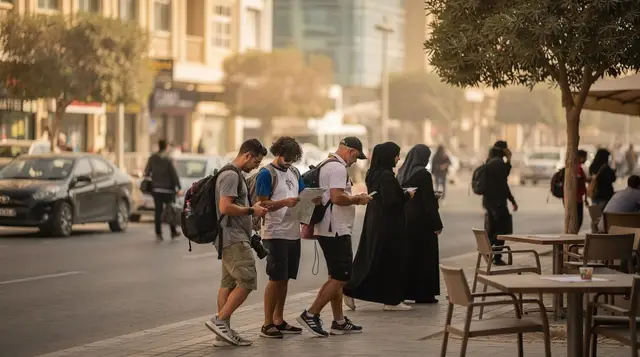
Malls and city streets are relaxed by regional standards — shoulders and knees covered is the general rule, but nobody’s turning tourists away for a sleeveless top on the street. Mosques, particularly the Sheikh Zayed Grand Mosque in Abu Dhabi, are a different matter entirely: full-length, loose clothing covering arms and legs, with abayas and headscarves provided at the entrance for anyone underdressed. The dress code guide has the specifics by venue type, and it’s worth reading before you pack rather than after you’re turned away.
Your taxi fare will genuinely surprise you — in both directions
Dubai taxis are metered and honest by regional standards, but Careem and taxi surge pricing during peak hours, major events, or bad weather can multiply a normally cheap fare several times over with little warning. Conversely, off-peak short hops across a single neighborhood are often cheaper than visitors expect coming from cities where taxis are a luxury. The taxi guide covers metered rates and how to spot a fare that’s been inflated versus one that’s just surge pricing doing its thing.
Desert safaris are not all the same product
The evening desert safari is sold by dozens of operators at wildly different price points for what looks, on paper, like an identical package. The differences that actually matter — camp size, whether dune-bashing uses a shared or private vehicle, how far the camp is from the city, and whether the “live show” is a genuine performance or three minutes of tanoura dancing — rarely show up in the marketing copy.
Desert safari scams, honestly assessed covers the specific red flags worth checking before you book, and this evening safari with a proper Bedouin-style camp dinner is a reliable benchmark for what the mid-range version should actually include.
Tipping isn’t mandatory, but it’s expected in more places than you’d think
Service charges are often already added to restaurant bills, but that charge doesn’t always reach staff directly, so a small additional cash tip is common practice regardless. Tour guides, drivers, and hotel staff also generally expect a modest tip even where it isn’t formally required — not aggressive by international standards, but present in more transactions than a first-time visitor might assume.
The Metro doesn’t reach everywhere you’ll want to go
The Red and Green lines cover Downtown, the Marina corridor, and Deira reasonably well, but Old Dubai’s souk district, Palm Jumeirah, and most of the desert and northern emirates day trips are outside walking distance from any station. A Nol card makes the Metro itself painless, but budget for Careem or taxis to cover the gaps rather than assuming the Metro alone gets you everywhere.
Old Dubai is more rewarding — and cheaper — than people expect
Most first-time visitors spend disproportionate time in Downtown and the Marina and treat Old Dubai as an optional half-day, when it’s arguably the most textured, least manufactured part of the city. The Gold and Spice souks, the wind-tower architecture of Al Fahidi, and a one-dirham abra crossing over the Creek cost almost nothing and deliver more sense of place than most of the paid attractions combined. The Old Dubai walking guide sequences it properly.
Photos of empty landmarks are staged, not real
Every viral photo of an empty Burj Khalifa boardwalk or a deserted Museum of the Future exterior was shot at an unusual hour or with patience most visitors don’t have. In reality, peak season (November through March) means real crowds at every major landmark, and even shoulder-season visits require early mornings or genuine luck for an uncluttered shot.
Ramadan changes the rhythm of the entire city
If a trip overlaps with Ramadan, the holy month of fasting, expect a genuinely different Dubai — shifted business hours, restrictions on eating and drinking in public during daylight hours (tourists are generally exempt in designated areas but discretion is still expected), and a livelier, later-running evening scene once the fast breaks at sunset (iftar). It’s not a reason to avoid visiting, and iftar buffets in particular are a highlight worth experiencing, but a trip planned without accounting for the shift can hit unexpected closures and quieter daytime streets than usual.
The Ramadan guide and visiting during Ramadan guide both cover what actually changes month to month and how to adjust plans accordingly.
The heat isn’t linear — it’s a hard switch
Visitors expect Dubai to get gradually hotter through spring into summer, but the shift from “manageable” to “genuinely dangerous outdoors” between roughly May and June is closer to a switch than a gradient. June through September regularly hits 40-48°C, at which point outdoor plans of any kind become a health consideration, not a comfort one. Anyone planning a trip outside the November-March window should read Dubai in summer before committing to dates.
Booking ahead matters more than it seems
Same-day availability for Dubai’s most popular experiences is far less reliable than most first-time visitors assume, particularly November through March. Burj Khalifa tickets, popular desert safari slots, and Friday brunch reservations at well-known hotels all routinely sell out days in advance during peak season, and walk-up prices — where availability exists at all — usually run higher than advance booking rates. Booking an evening desert safari with a live show and BBQ dinner a few days ahead rather than the morning of avoids both the higher price and the risk of the better camps being full.
The city is bigger and more spread out than it photographs
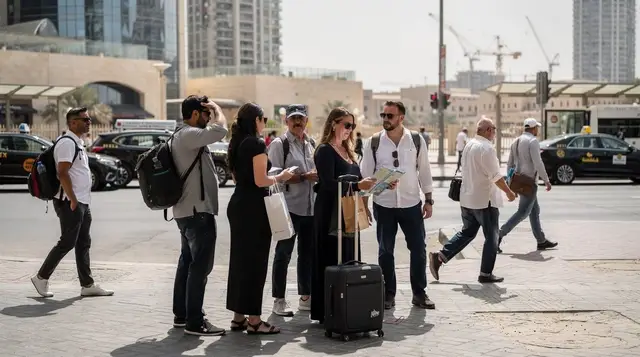
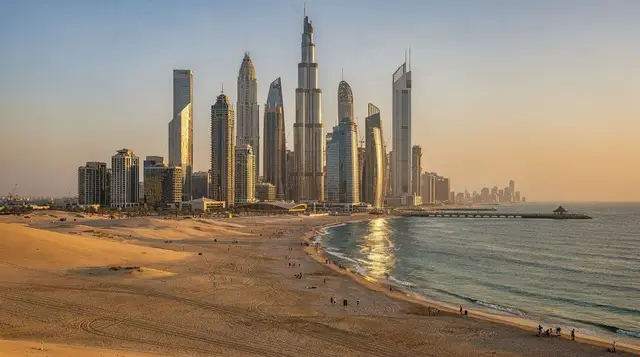
Skyline photos compress Dubai into a tight cluster of towers, which makes the actual distances between neighborhoods a surprise on the ground — Downtown to the Marina is a genuine 20-30 minute drive without traffic, and Old Dubai sits further still from both. Treating the city as walkable between districts, rather than as a series of distinct zones connected by Metro or taxi, is one of the more common planning mistakes among first-time visitors building their own itinerary from scratch.
Public displays of affection are more restricted than visitors expect
Holding hands is generally fine, but more overt public affection — kissing, prolonged embraces — can draw attention or, in rare cases, complaints in a way it wouldn’t in most Western cities. This applies more strictly in public spaces and traditional areas like Old Dubai than in hotel pools or private beach clubs. It’s rarely a real issue for tourists behaving with ordinary discretion, but it’s worth knowing the norm exists rather than assuming Dubai’s modern skyline means Western social norms apply everywhere.
The nightlife scene is real, but concentrated in specific venues
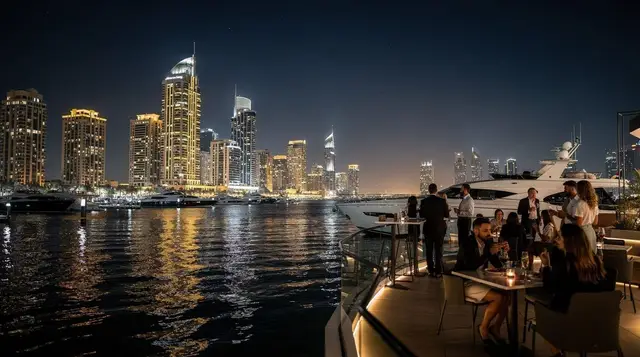
Dubai has a genuine nightclub and bar scene, but it’s almost entirely contained within hotels and licensed venues rather than spread across a street-level bar district the way it would be in a European or North American city — there’s no equivalent of wandering between independent bars on a random street. Marina and Downtown hotels hold most of the well-known venues, and cover charges or minimum spends are common at the better-known clubs, worth budgeting for if a night out is part of the plan.
Frequently asked questions about visiting Dubai
Is Dubai actually as expensive as people say?
It can be, at the top end — but a genuinely affordable trip is possible using the Metro, street food and casual restaurants, and free attractions like the Dubai Fountain and JBR beach. Dubai on a budget covers what a lower-cost version of the trip actually looks like.
Do I need to cover my head in Dubai?
No, not generally — headscarves aren’t required for women in public in Dubai the way they are in some neighboring countries. The one exception is inside mosques, where a headscarf is provided and required at the entrance.
Is it rude to ask locals about the culture?
Genuine, respectful curiosity is generally well received. What isn’t well received is loud judgment of local customs or laws, particularly around alcohol, dress, and public affection — the Emirati culture and etiquette guide covers the practical version of this.
Can I drink tap water in Dubai?
It’s technically safe and heavily desalinated, but the taste puts most visitors off; bottled water is cheap and the default choice for tourists and residents alike.
Is it safe to walk around Dubai at night?
Yes, overall crime is low and well-lit, patrolled tourist areas like the Marina and Downtown feel safe well after dark. The Dubai safety guide covers the few practical exceptions worth knowing.
What’s the most common first-timer mistake?
Underestimating the heat’s effect on scheduling and overestimating how much ground can be covered on foot between landmarks. The common mistakes guide runs through the fuller list.
Is public affection actually a problem for tourists?
Rarely, for ordinary discretion like hand-holding — more overt displays can draw attention, particularly in traditional areas, but this is seldom a real issue for visitors who keep it low-key.
Is Dubai’s nightlife easy to find as a first-time visitor?
Yes, but it’s concentrated in hotel bars and clubs rather than a street-level bar district — Marina and Downtown hotels hold most of the well-known venues, and cover charges are common.